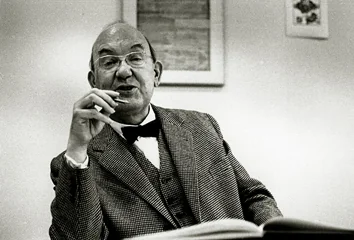
Jan Tschichold
Jan Tschichold, born Johannes Tzschichhold (and sometimes known as Iwan or Ivan Tschichold), was a foundational German calligrapher, typographer, and book designer whose career arc encompassed the full trajectory of 20th-century graphic design evolution. His influence spanned radical experimentation and meticulous classical rigor, cementing his reputation as one of the pivotal figures in establishing design as a professional, codified discipline.
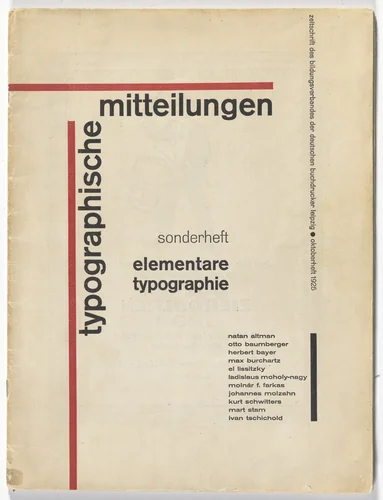
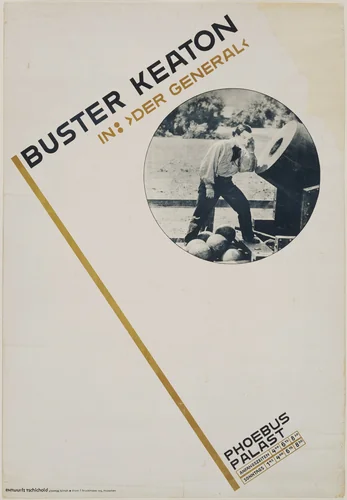
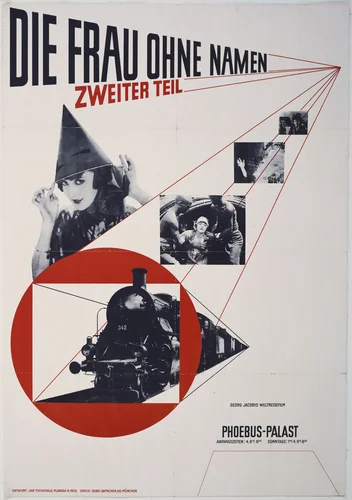
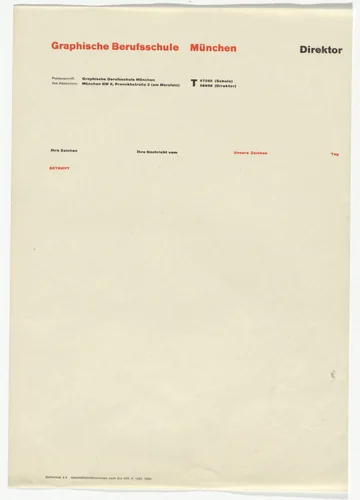
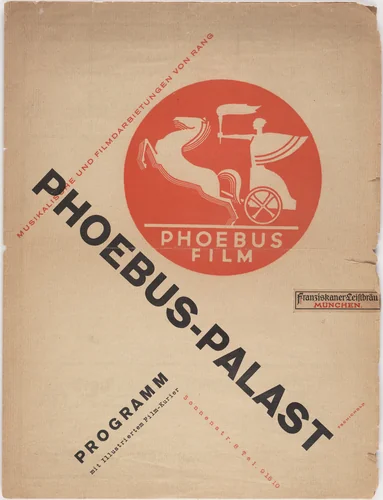
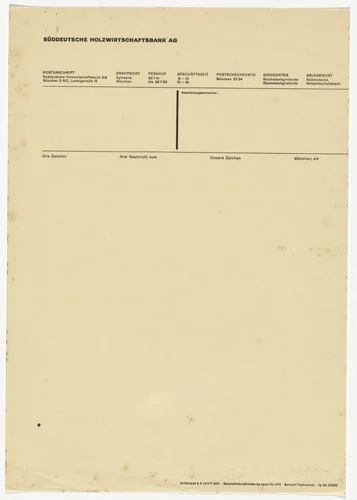
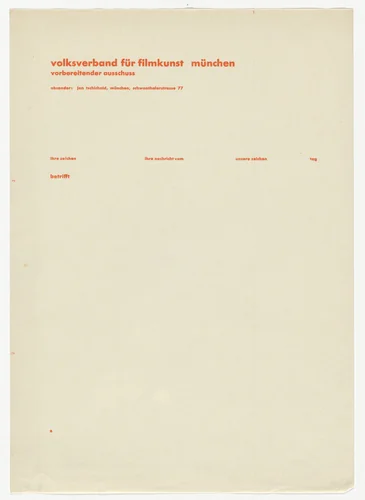
Tschichold's initial impact in the mid-1920s was immediate and revolutionary. He emerged as the leading proponent of typographic modernism, articulating principles of asymmetry, standardized typefaces, and grid structure in essays and practical application. During this period, defined by works created between 1925 and 1928, he produced striking examples of functional yet dynamic communication, such as the seminal design document Sonderheft Typographische Mitteilungen and his arresting film posters for the Phoebus-Palast cinema, including Die Frau ohne Namen (The Woman Without a Name) and the stark, effective advertising for Buster Keaton in: "Der General". These posters, alongside his designs for functional objects like the Graphische Berufsschule München letterhead, exemplify the confidence and clarity of early Modern design.
Tschichold holds the unique distinction of having not only pioneered typographic modernism but also subsequently codified the rules for its aesthetic opposite. Following World War II, he turned emphatically toward classical balance and legibility, advocating for conservative, structured typographic practices. His most globally recognized achievement in this phase was his role in directing the visual identity of Penguin Books. Serving as a crucial model for the burgeoning practice of corporate identity programs, Tschichold refined the entire aesthetic of the British publisher, ensuring that the resulting volumes possessed both authority and accessibility. Many of these early editions are now sought after as museum-quality items.
Beyond his organizational reforms, Tschichold remained a master craftsman and technician. He designed the highly influential typeface Sabon, celebrated for its superb readability and structural harmony. While his original print designs and theoretical charts are preserved in major collections, including the Museum of Modern Art, his lifelong contributions to universal design principles mean that many high-quality prints of his theoretical work are now often available through public domain archives, offering royalty-free access to scholars and designers worldwide. His legacy is one of rigorous structure, proving that enduring design, whether revolutionary or reserved, is ultimately defined by clarity.
Source: Wikipedia · CC BY-SA 4.0