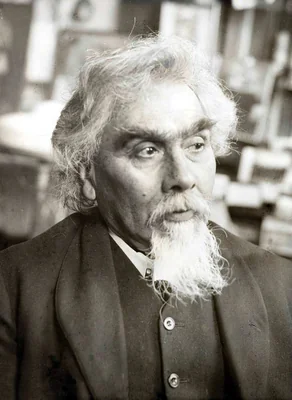
Jan Toorop
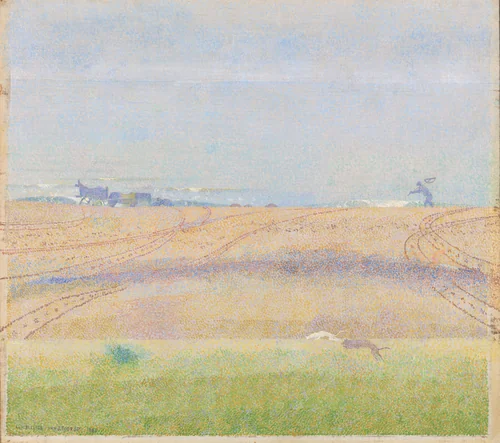
Johannes Theodorus “Jan” Toorop (1858-1928) stands as one of the pivotal figures in Dutch fin-de-siècle art, crucial for bridging the national tradition with emergent European modernism. His career was defined by radical stylistic pluralism, encompassing the precise scientific application of Pointillism, the intensely decorative linearity of Art Nouveau, and the evocative complexity of Symbolism. This commitment to avant-garde exploration quickly secured his international reputation, evidenced today by the inclusion of Jan Toorop paintings and drawings in major collections such as the Museum of Modern Art, the National Gallery of Art, and the Art Institute of Chicago.
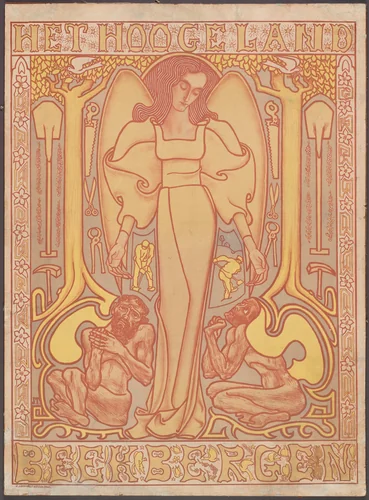
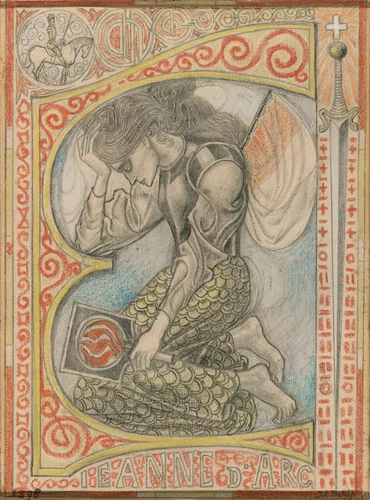
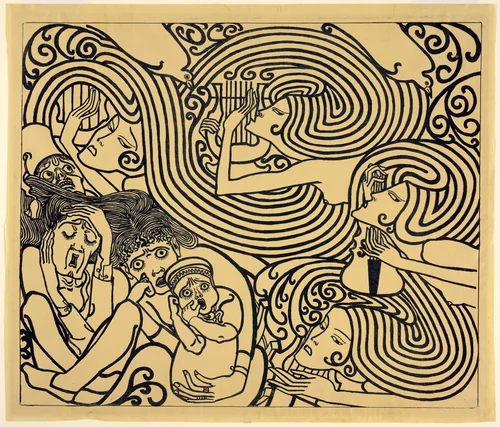
Toorop began his artistic journey immersed in the atmospheric brushwork of Amsterdam Impressionism. By the late 1880s, however, he had become increasingly interested in structure and pattern, leading him to experiment with Neo-Impressionist techniques. Yet, the transition into the 1890s defined his most innovative and influential period. Abandoning strictly optical realism, he developed a unique, fluid style often characterized by the dynamic "whiplash line," a visual hallmark of Art Nouveau design that quickly gained him recognition in graphic arts.
This decorative impulse allowed him to excel in applied design, most famously demonstrated in the iconic 1894 advertisement Delftsche Slaolie (Advertising Poster for the Dutch oil company Nederlandse Olie Fabriek). This poster, in its stylized geometric organization and complex patterning, transcended mere commercial utility to become a defining visual document of Dutch modern design.
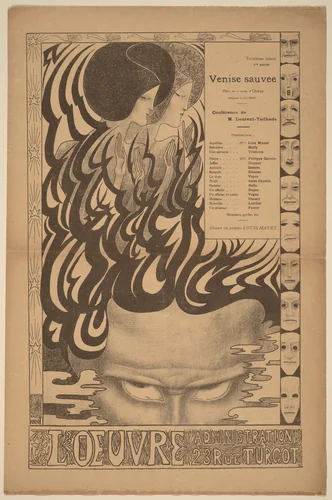
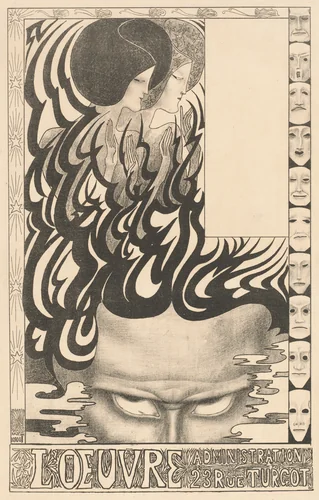
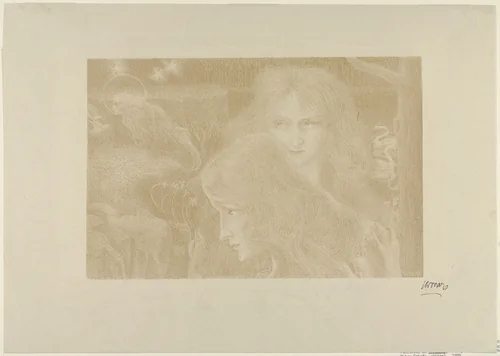
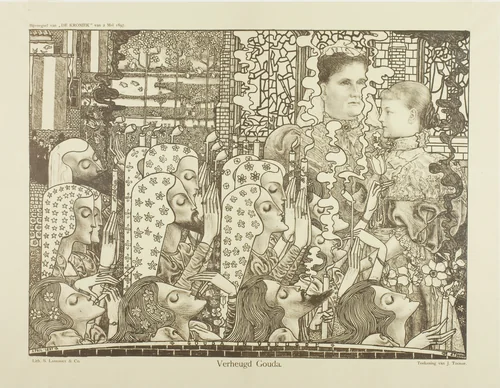
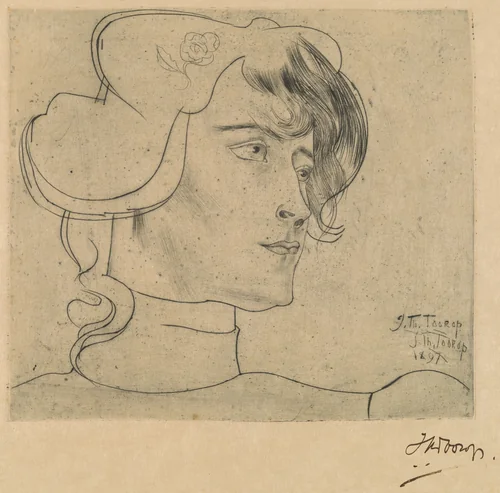
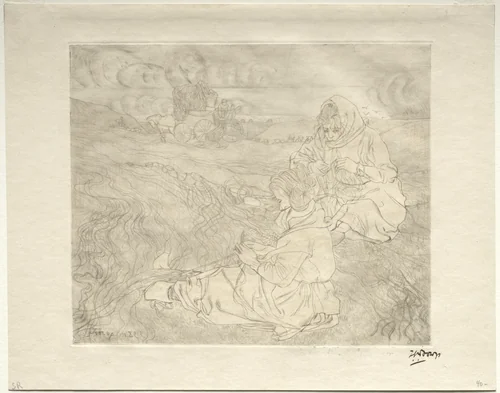
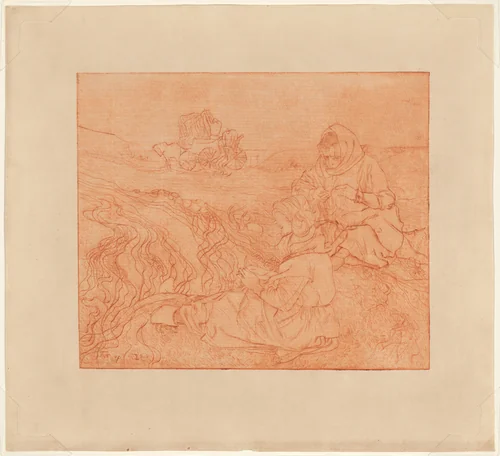
Toorop’s Symbolist prints and drawings from the 1890s, notably works like Venise sauvée (Venice Preserved) and the haunting Woman with Swans (La Dame aux Cygnes), reveal an absorption in spiritual and mythological themes. These compositions are characterized by densely packed figures, complex interwoven lines, and intense psychological suggestion. It is perhaps fitting that an artist who moved so seamlessly between such divergent modes as rigorous Pointillist landscapes and mystical Symbolist portraits was often referred to by peers as de nieuwe mysticus (the new mystic). The lasting quality of his work means that many of his key images are available today as high-quality prints through public domain collections. His ability to synthesize contemporary European trends established a vital precedent for subsequent generations of Dutch artists seeking modernist expression.
Source: Wikipedia · CC BY-SA 4.0
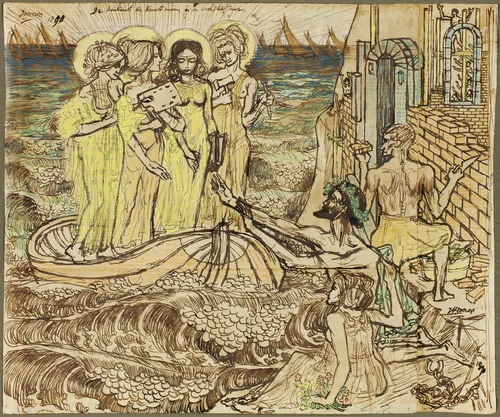
![Delftsche Slaolie (Advertising Poster for the Dutch oil company Nederlandse Olie Fabriek [NOF]) by Jan Toorop, design, 1895](https://img.artbee.org/8cbcfca6-4621-499b-863e-0b3312616d4c/small.webp)
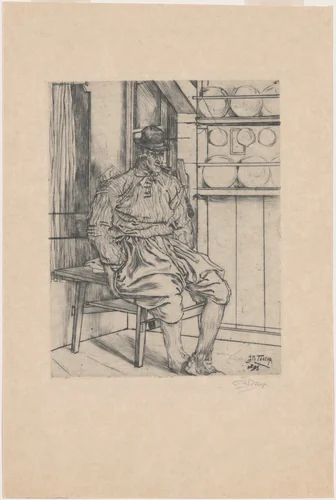
![Charley voor Het Raam [Charley in Front of the Window] by Jan Toorop, print, 1902](https://img.artbee.org/d1e09d93-d538-4492-89bb-5bfebf2b09df/small.webp)