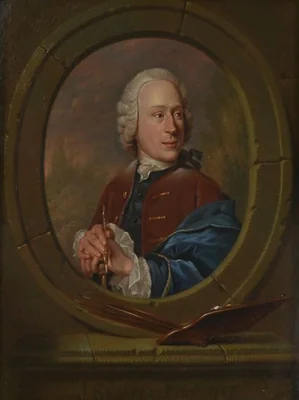
Jan Stolker
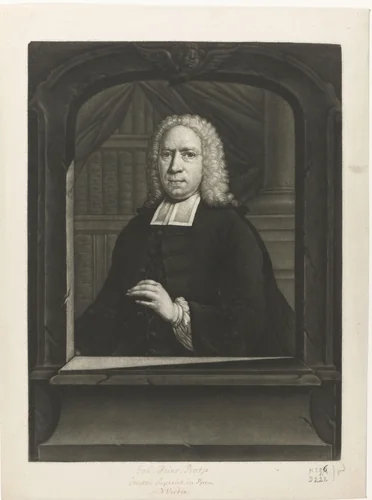
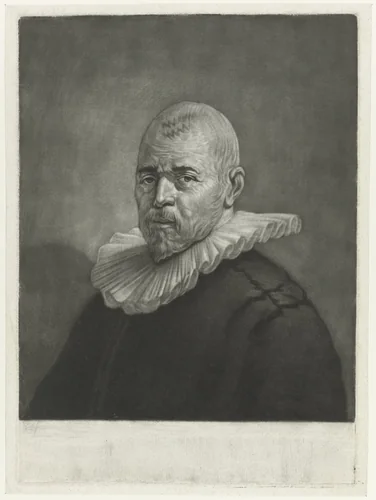
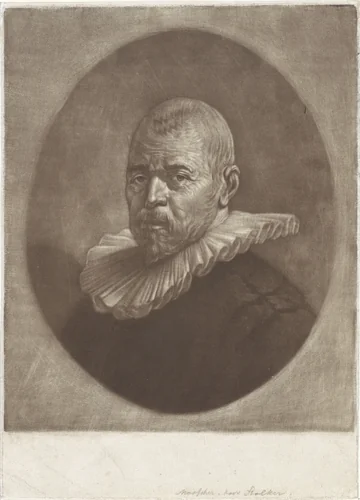
Jan Stolker (active 1734-1759) was a multifaceted figure within the Dutch visual culture of the mid-eighteenth century, balancing the roles of a highly capable printmaker, a working painter, an astute painting dealer, and a dedicated art collector. While his active career spanned only a few decades, his surviving oeuvre provides a concise yet compelling documentation of the graphic and commercial interests of the era.
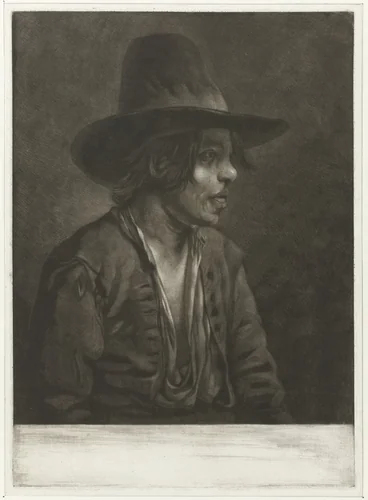
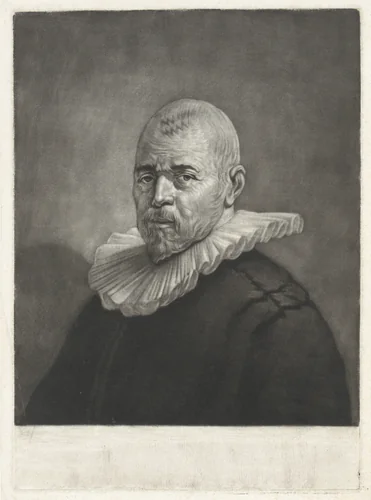
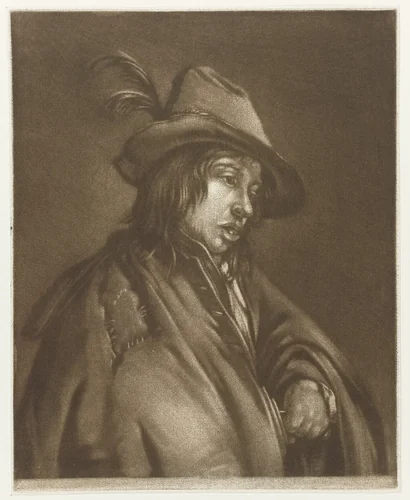
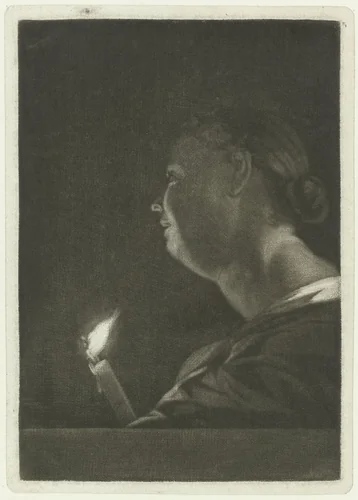
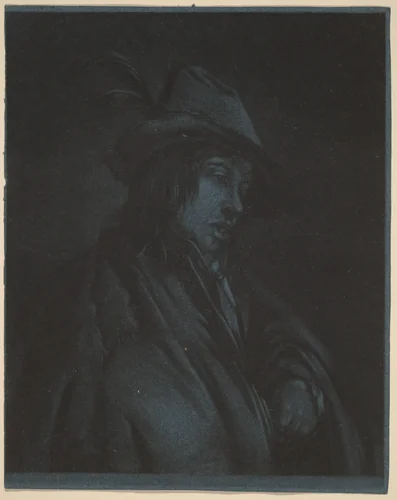
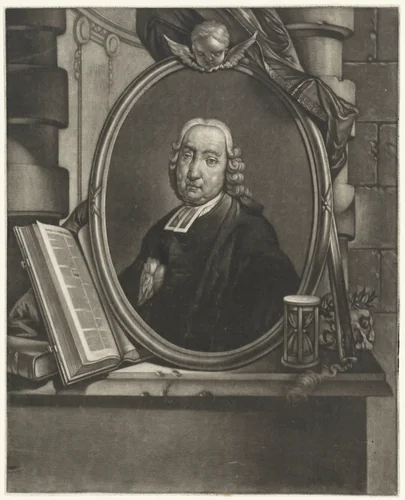
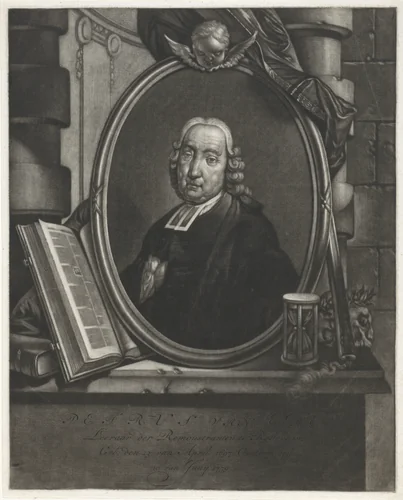
Stolker is perhaps best appreciated today for his contributions to the printmaking tradition. Though the total number of his surviving documented works is modest, cataloged at approximately fifteen key pieces, these prints demonstrate a high degree of technical skill and compositional acuity. His works reside in major international institutions, including the Rijksmuseum and the National Gallery of Art, confirming their status as museum-quality artifacts decades after their creation.
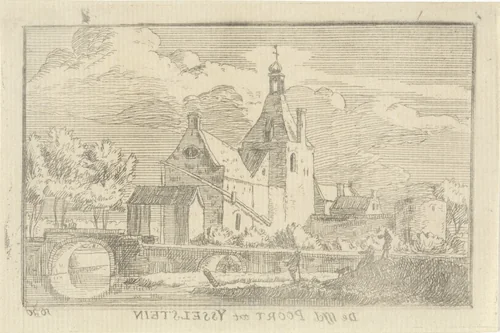
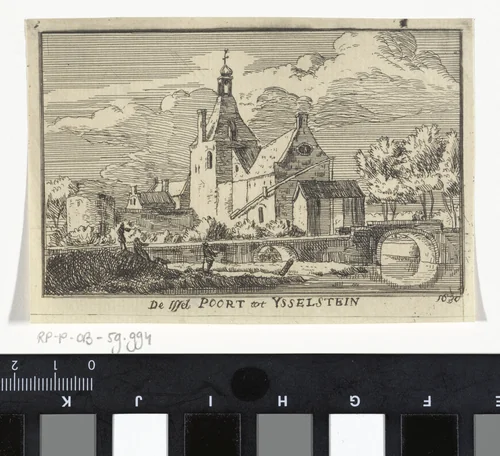
His subject matter reveals a fascinating dichotomy. On one hand, Stolker demonstrated a rigorous fidelity to architectural and topographical accuracy, exemplified by detailed views such as IJsselpoort bij IJsselstein. These compositions catered to the persistent market for recognizable Dutch landmarks, functioning both as high-quality prints for established collectors and as valuable historical documentation.
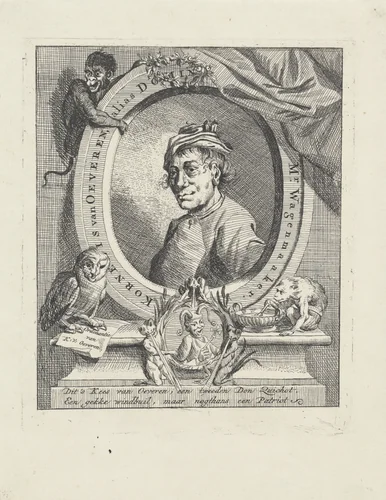
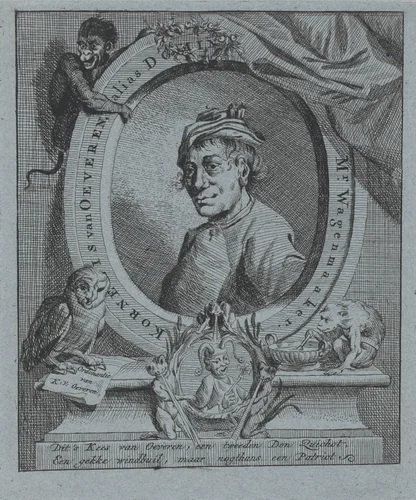
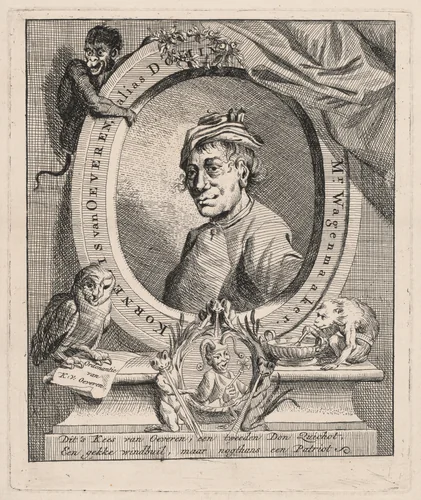
However, Stolker’s technical mastery extended beyond precise architectural documentation into the volatile realm of social observation. He possessed a sharp, almost mischievous eye for human character, frequently turning his skilled burin toward explicit caricature. His graphic depictions, notably the detailed studies like the Karikaturaal portret van Cornelis van Oeveren, are remarkable for their psychological penetration and subtle humor, distinguishing him from contemporaries who focused primarily on grand historical or religious themes. It is this unusual pairing, the commitment to render precise architectural forms and the willingness to lampoon specific individuals with equal technical commitment, that defines his unique legacy.
The enduring availability of his work is significant. As much of his artistic output is now accessible in the public domain, researchers and enthusiasts are able to study Jan Stolker prints globally. This allows for the widespread use of high-quality prints and downloadable artwork, ensuring his distinct contribution to Dutch graphic arts remains firmly within the historical record.
Source: Wikipedia · CC BY-SA 4.0