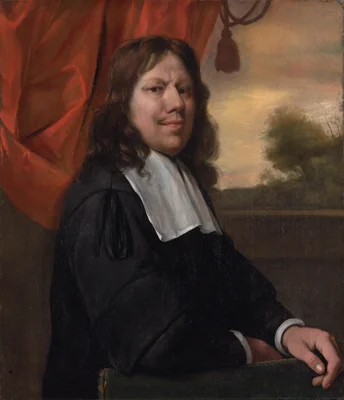
Jan Steen
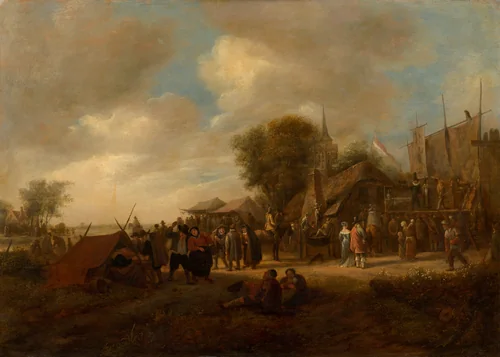
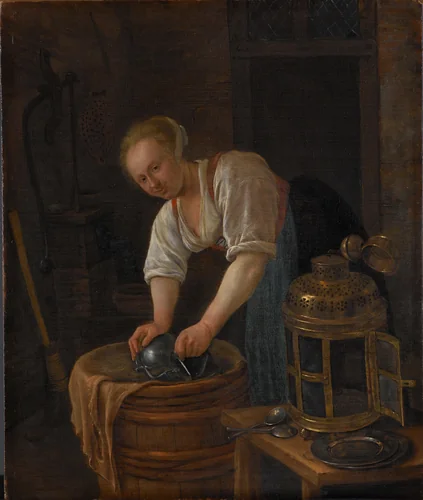
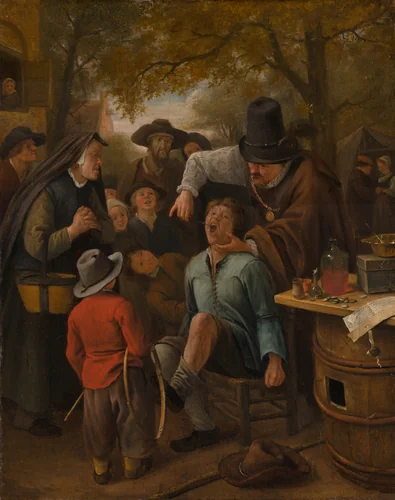
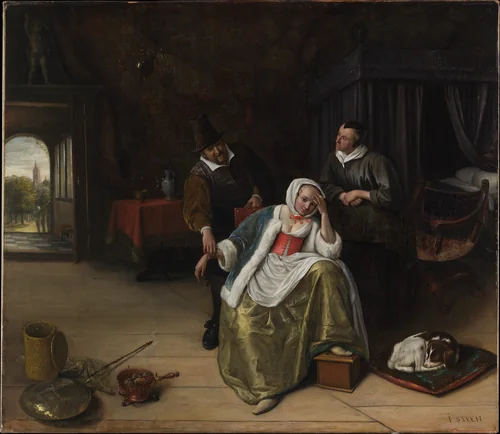
Jan Havickszoon Steen (1626-1679) stands among the most significant genre painters of the Dutch Golden Age. Active throughout the middle of the 17th century, Steen developed a distinctive style that transcended simple domestic scenes, establishing him as a critical and highly observant chronicler of contemporary Dutch society. His extensive body of work, spanning paintings and drawings, is now held in the world’s most prestigious institutions, including the Mauritshuis and the Metropolitan Museum of Art.
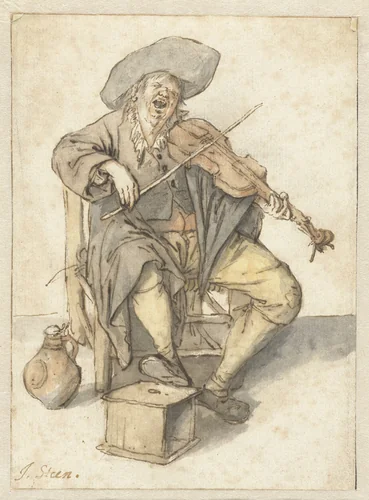
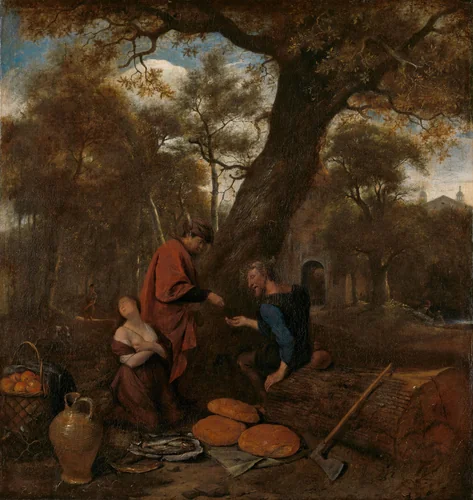
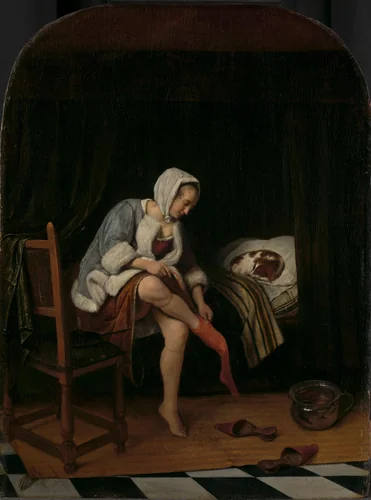
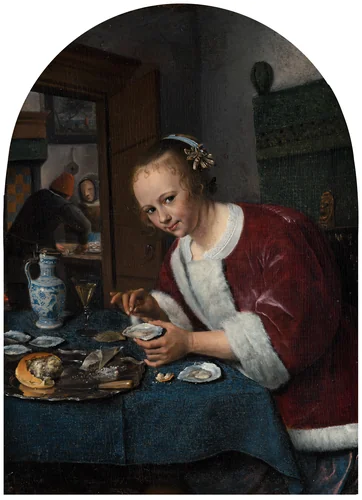
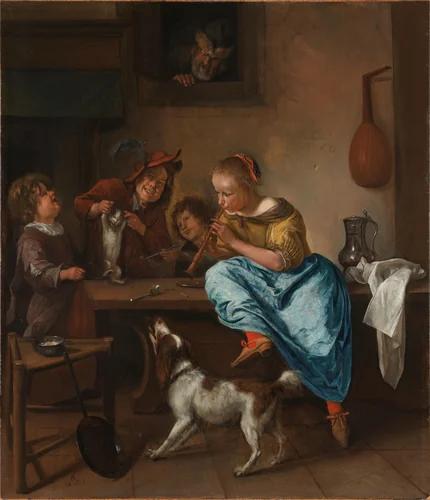
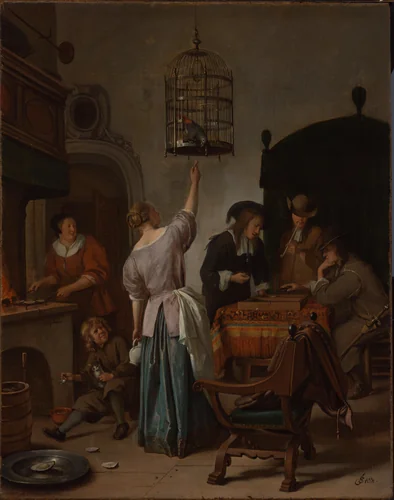
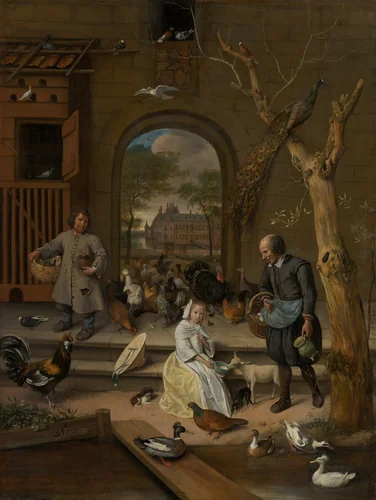
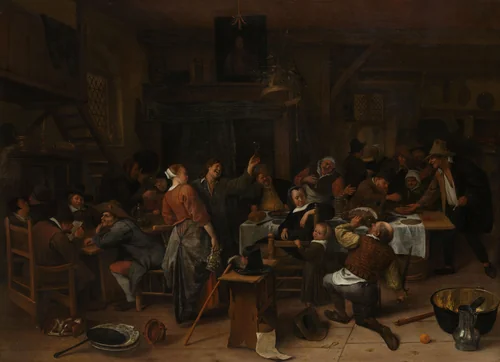
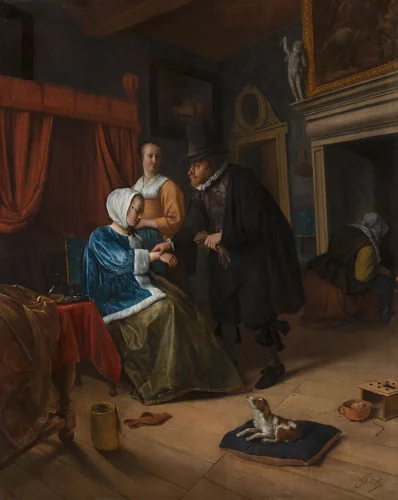
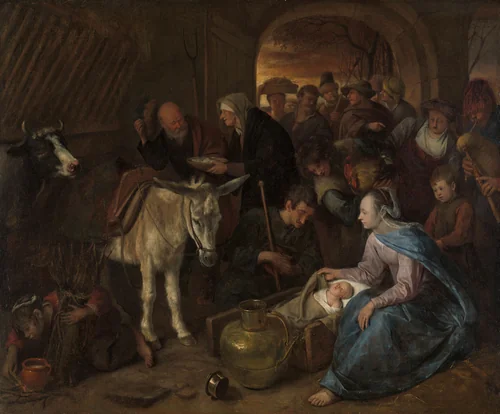
Steen is celebrated for his sophisticated narrative approach, defined by psychological insight and an abundance of vivid colour. While many contemporaries focused on quiet, restrained interiors, Steen specialized in compositions characterized by boisterous activity and domestic chaos. This complexity allowed him to deliver layered narratives that functioned as the visual equivalent of theatrical staging, directly engaging the viewer. He excelled at depicting human folly; even seemingly simple works like Singing Fiddler or the dramatic mythological subject Erysichthon selling his daughter reveal an intense scrutiny of character and moral condition.
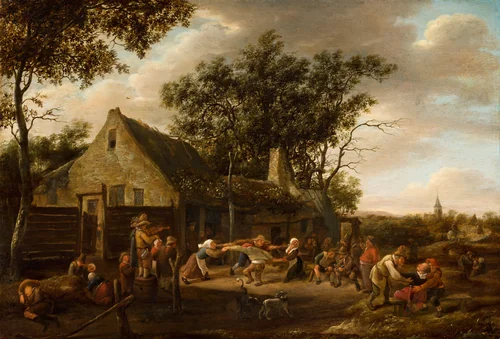
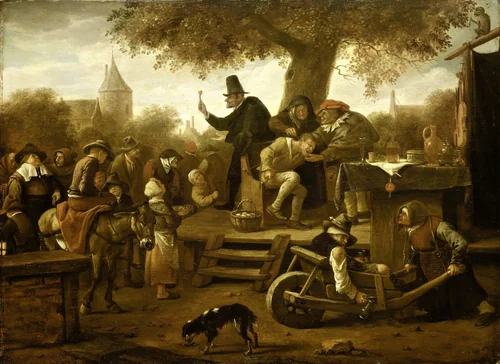
Crucially, Steen’s renowned sense of humour served a deeper, often moralizing purpose. His detailed compositions functioned as visual satire, effectively mocking the behaviors and perceived moral laxity of the rising Dutch bourgeoisie—a critique particularly evident in works such as Peasants Dancing at an Inn. These scenes were rarely merely entertainment; they were coded critiques designed to provoke reflection. A subtle, yet notable aspect of the artist’s oeuvre is his frequent inclusion of himself within the painted chaos, often smiling wryly at the viewer from the edges of the mayhem he created, suggesting the artist was himself a willing participant in the human comedy he documented.
The enduring popularity of Jan Steen paintings speaks to his universal appeal and technical mastery. His technique ensures that his originals retain museum-quality status centuries later, providing invaluable insight into 17th-century life. Fortunately, many of his works are considered part of the public domain, allowing enthusiasts access to high-quality prints and downloadable artwork, ensuring his detailed and often riotous vision continues to reach global audiences.
Source: Wikipedia · CC BY-SA 4.0