Jan Sadeler
The Sadeler family represents the apex of commercial and artistic success among the Flemish engraving dynasties that defined Northern European printmaking during the later 16th and 17th centuries. Operating both as prolific artists and astute publishers, the Sadelers established an unprecedented network that spanned the continent, ensuring their dominance in the market for decades. The family enterprise, which included at least ten working engravers, successfully established workshops and operations across the Spanish Netherlands, Germany, Italy, Bohemia, and Austria.
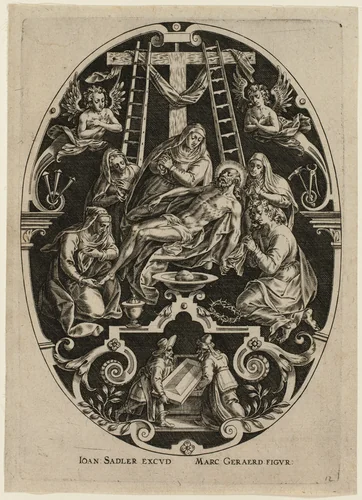
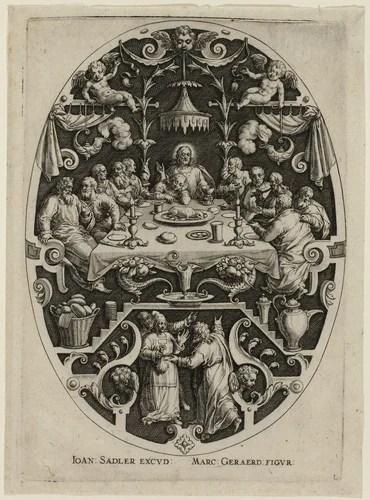
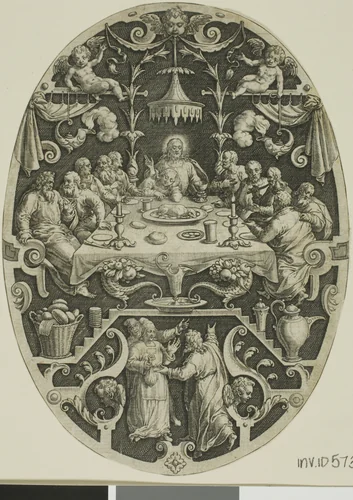
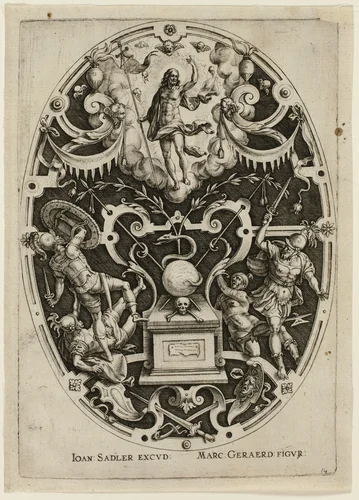
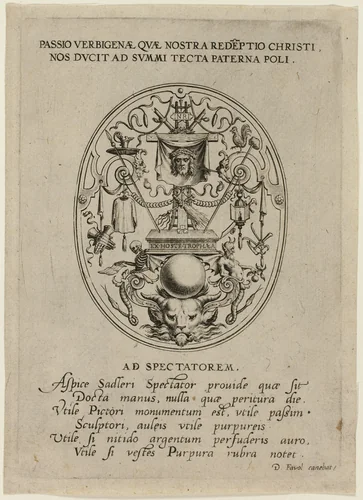
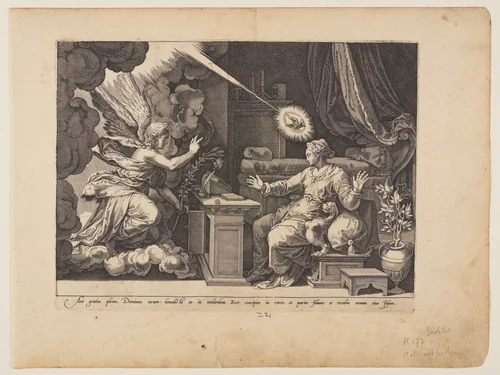
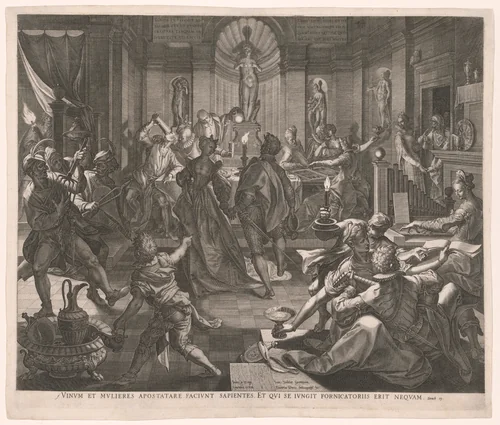
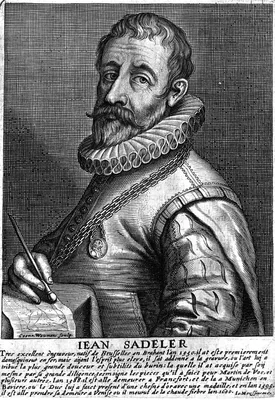
Jan Sadeler, active between 1550 and 1570, contributed significantly to the foundation of this widespread visual empire. His works, including notable portraits such as Maximilian I, Duke of Bavaria, and complex devotional imagery like Agony in the Garden, showcase the characteristic technical precision and narrative clarity that marked the family’s output. These detailed, museum-quality prints were essential tools for disseminating artistic and political iconography throughout Europe. Today, many of his works are held in major institutions, including the Art Institute of Chicago and the National Gallery of Art.
A defining feature of the Sadeler dynasty was the remarkable consistency in style, a trait shared with other highly successful engraving families of the era, such as the Wierixes. The familial similarities are so strong that, absent a clear signature, date, or recorded location, definitive attribution between family members presents a continuous challenge for historians. This shared aesthetic, however, speaks to the strength of the Sadeler brand and the coherence of their production methods across disparate geographies. It is an interesting historical footnote that the very scale and efficiency of their operation sometimes prioritized collective visual identity over individual artistic signatures.
As printmakers, the Sadelers were instrumental in shaping how history, religion, and nobility were visualized for a mass audience. Their legacy persists not just in institutional collections, but through accessibility; centuries after their creation, these enduring examples of high-quality prints remain in the public domain, providing valuable insight into the commercial and artistic complexities of the late Renaissance.