Jan Philipsz
Jan Philipsz was an artist active during the first three decades of the 17th century, with his known period of production spanning 1600 to 1628. His documented output consists primarily of drawings, six of which are currently preserved in major museum collections.
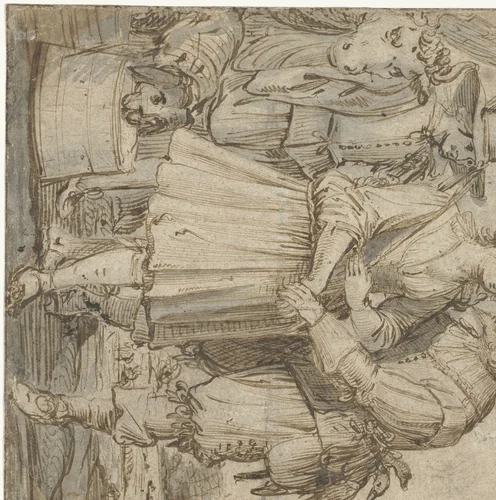
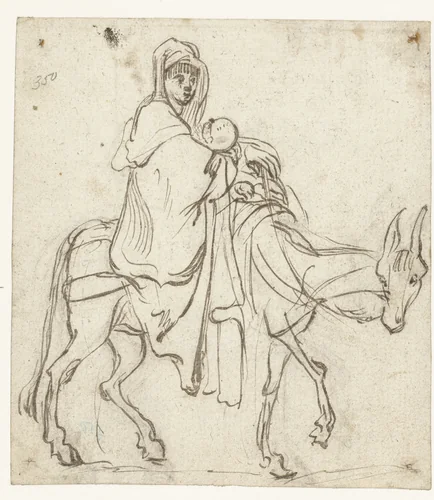
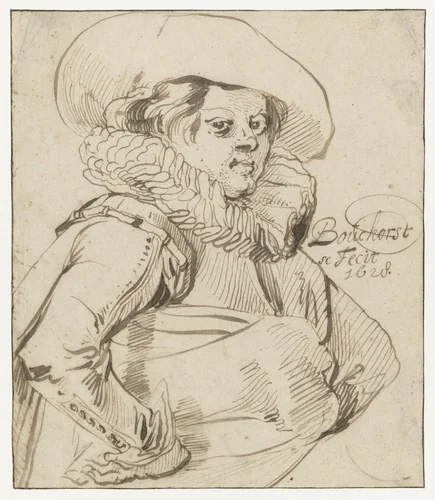
The Rijksmuseum holds the primary collection of Philipsz’s existing work, affirming the institutional importance and provenance of his drawings. The subjects range from religious narratives and detailed figure studies to potential self-representation. His compositional skill is evident in complex scenes such as De vlucht naar Egypte and the genre subject Bedaagde jager en een jonge vrouw.
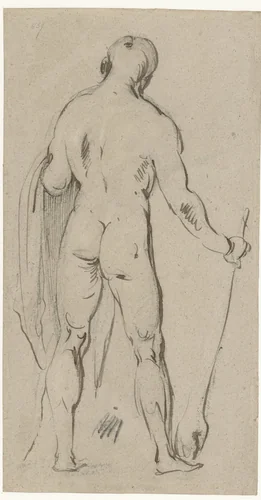
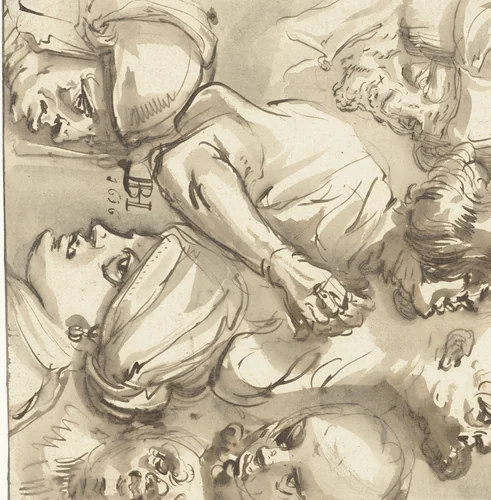
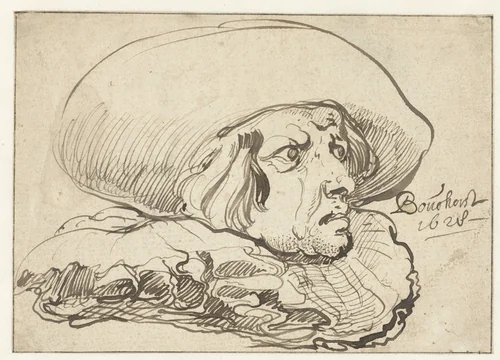
Other significant works include studies of the human form, represented by Staand mannelijk naakt, op de rug gezien (Hercules?), and quick preparatory sketches, such as Schetsblad met zeven koppen. The collection also documents Jonge man, ten halven lijve, driekwart naar rechts (zelfportret?).
As the originals are held institutionally, Jan Philipsz prints provide the main access point for research and appreciation today. Many of these historical drawings fall into the public domain, allowing for the widespread creation of high-quality prints and downloadable artwork for scholars and enthusiasts.
Source: Wikipedia · CC BY-SA 4.0