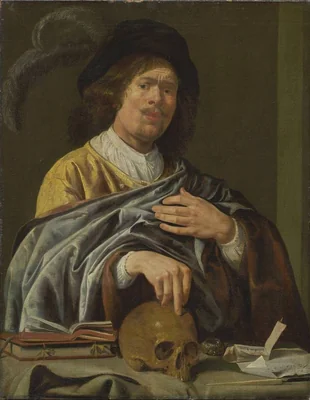
Jan Miense Molenaer
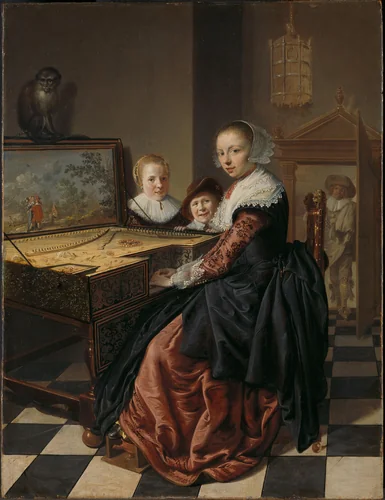
Jan Miense Molenaer (circa 1610-1668) occupies a critical position in the early development of Dutch Golden Age genre painting. Active predominantly in Haarlem, he is recognized for establishing many of the visual and narrative structures that would later define the field, notably serving as a direct stylistic precursor to the celebrated work of Jan Steen. Molenaer’s art centered on dynamic, often ribald, scenes of common life, infusing allegorical themes with spirited contemporary detail. His sustained importance is confirmed by the presence of his works in major global repositories, including the Mauritshuis, the Rijksmuseum, and the National Gallery of Art.
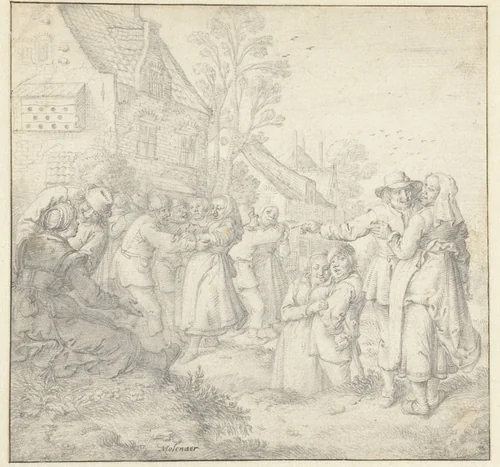
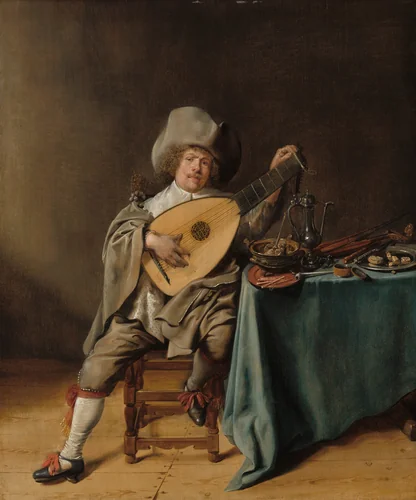
Molenaer’s artistic journey was uniquely intertwined with that of his wife, the highly accomplished painter Judith Leyster. The pair shared a studio, constituting one of the most productive artistic partnerships of the seventeenth century. While Leyster worked across still-life, portraiture, and genre painting, Molenaer focused keenly on domestic interiors and boisterous peasant gatherings, such as his characteristic Boerendans (Peasant Dance). Art historical consensus suggests that both Molenaer and Leyster may have benefited from instruction under Frans Hals, an influence apparent in their shared capacity for lively, decisive brushwork and an acute sensitivity to momentary facial expressions. This deftness is particularly visible in the engaging vulnerability of his Self-Portrait as a Lute Player.
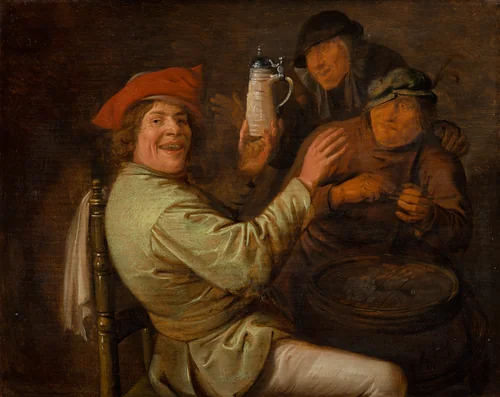
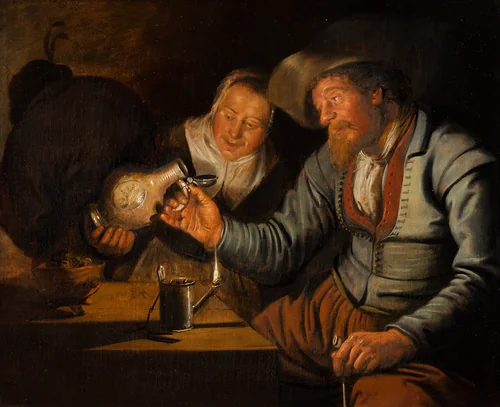
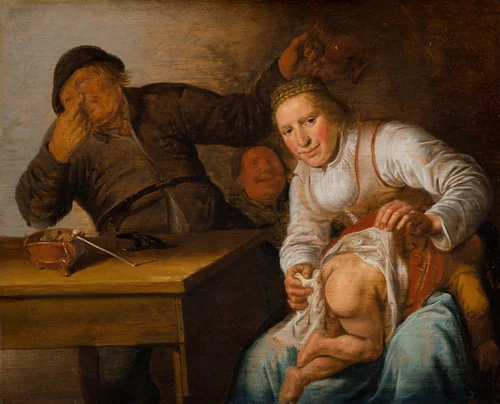
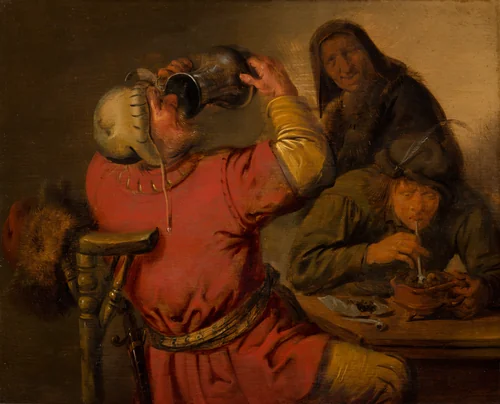
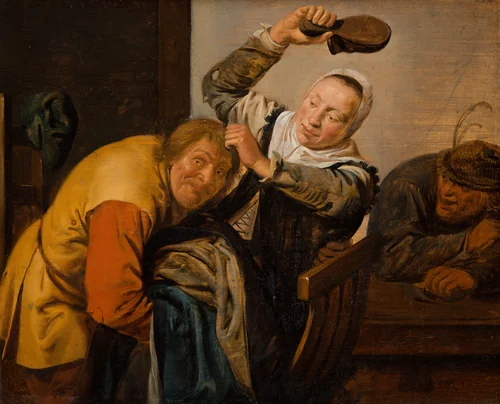
The artist excelled at translating universal concepts into relatable, often slightly chaotic, scenes of domestic instruction. His innovative approach to the popular thematic grouping is perfectly illustrated by his series depicting The Five Senses, wherein he anchors the traditionally moralizing subject matter in specific, contemporary interiors. For example, works such as The Five Senses: Hearing and The Five Senses: Sight demonstrate Molenaer's commitment to visual narrative. If his paintings suggest anything to the modern viewer, it is the underlying realization that virtue often makes for a comparatively dull composition, and Molenaer consistently preferred his scenes loud, cluttered, and decidedly human.
The lasting vitality of Jan Miense Molenaer paintings continues to attract scholarly attention. Many of his key pieces, active in the public domain, are regularly digitized by major collections, enabling the creation of high-quality prints and downloadable artwork that ensure his foundational contribution to the Dutch Golden Age remains accessible and celebrated.
Source: Wikipedia · CC BY-SA 4.0