Jan Maurits Quinkhard
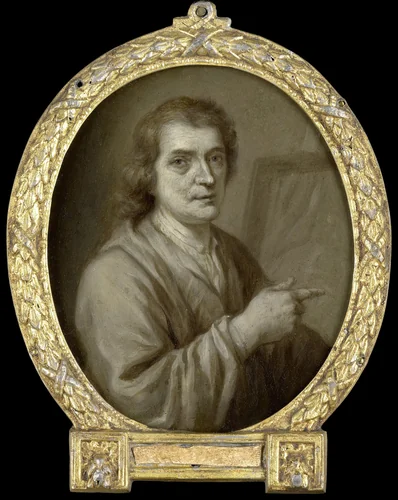
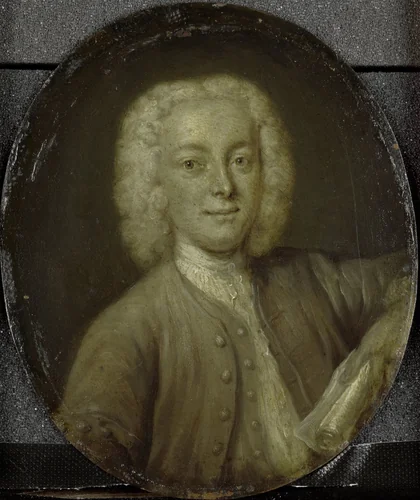
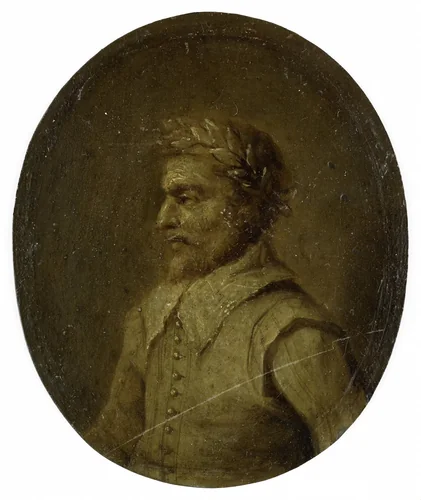
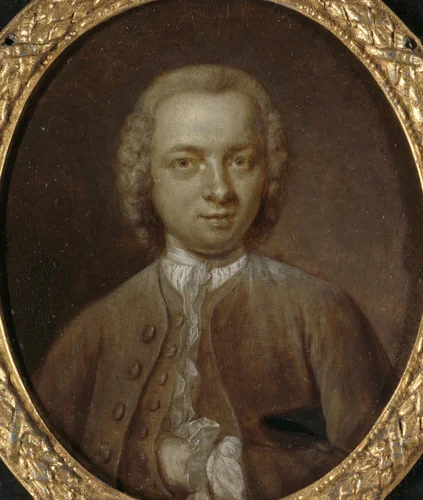
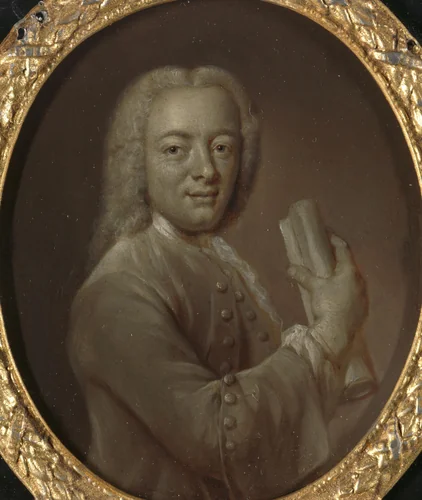
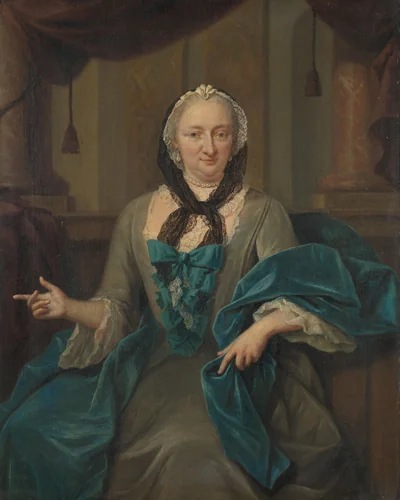
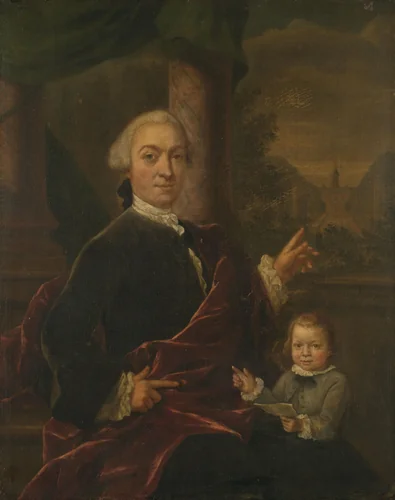
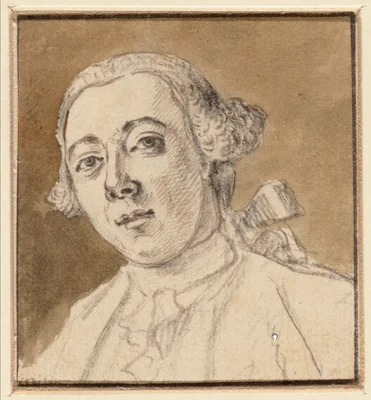
Jan Maurits Quinkhard was an accomplished painter and print designer active in the Dutch Republic during the first three decades of the eighteenth century, working from approximately 1710 until 1732. His output forms a concise, visually authoritative index of the administrative, intellectual, and religious elite of his time, with his primary focus resting squarely on formal, commissioned portraiture.
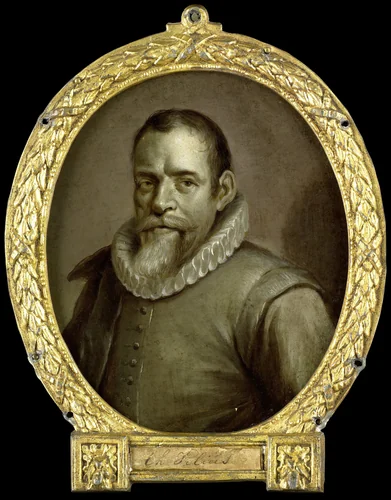
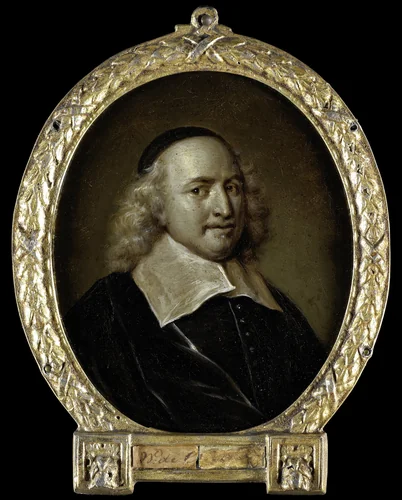
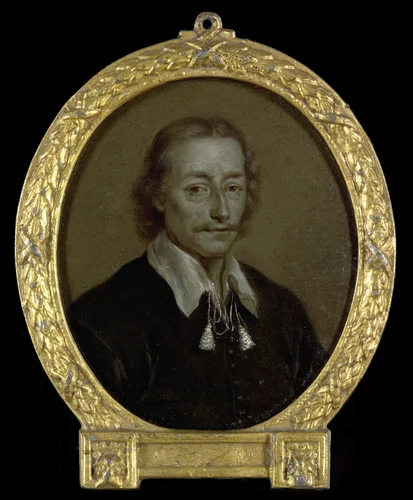
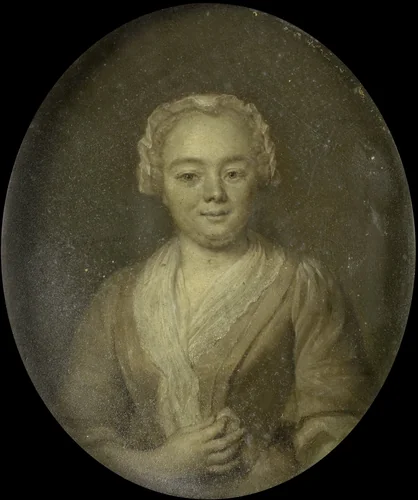
Quinkhard’s commissions reveal the structured hierarchy of early 18th-century Dutch society. His extensive catalogue of sitters includes figures from the highest echelons of civilian government, documented in works like the Portrait of Johan de Witt, Grand Pensionary of Holland, alongside military command, represented by the powerful Portrait of Jan Hendrik van Heemskerck, Count of the Holy Roman Empire, Lord of Achttienhoven, Den Bosch and Eyndschoten. Beyond politics and aristocracy, Quinkhard meticulously chronicled the movers of spiritual and academic life, including the Dordrecht clergyman Tieleman Jansz van Bracht and the Amsterdam educator Isaac Verburg.
The artist’s work is characterized by a commitment to meticulous finish and accurate, individualized representation—a necessity when dealing with subjects whose status was defined by layers of official designation. Indeed, a subtle challenge in Quinkhard’s work appears to have been balancing the subject’s personality with the sheer, weighty volume of their official titles. His ability to render these significant figures with both gravitas and precision cemented his reputation among the discerning patron class.
Today, key examples of Jan Maurits Quinkhard paintings reside in major institutions, confirming their status as significant historical documents. The presence of these works in the collections of the Rijksmuseum ensures their preservation as museum-quality art. Contemporary scholars and enthusiasts benefit from the widespread availability of high-quality prints and downloadable artwork derived from these masterworks, which allow for close examination of 18th-century fashion, technique, and societal structure. The documentation provided by Quinkhard remains a valuable source for understanding the complex network of leaders who defined the latter era of the Dutch Golden Age.
Source: Wikipedia · CC BY-SA 4.0