Jan Matulka
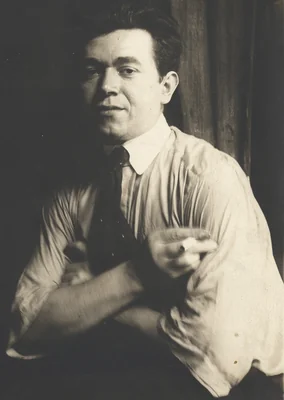
Jan Matulka (1890-1972) occupies a unique and historically vital position within the development of American modernism. A Czech-American artist originally from Bohemia, Matulka served as a critical nexus between European avant-garde principles and their subsequent germination in New York during the 1920s and 1930s. His early influence is attested by the inclusion of his work, which spans four drawings and two significant Jan Matulka prints, in the permanent collections of institutions like the Museum of Modern Art (MoMA). His output in the active period of 1921-1927 alone demonstrates a rigorous inquiry into form.
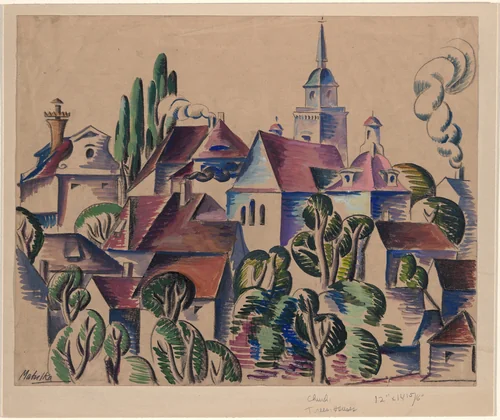
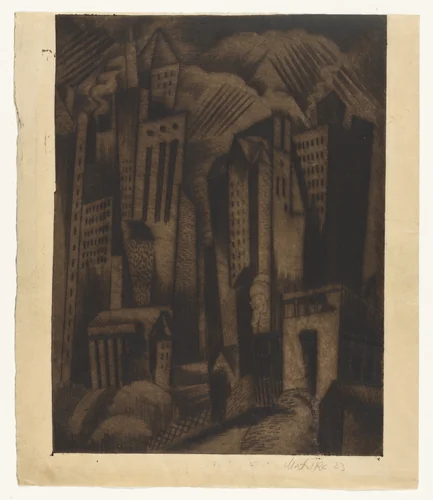
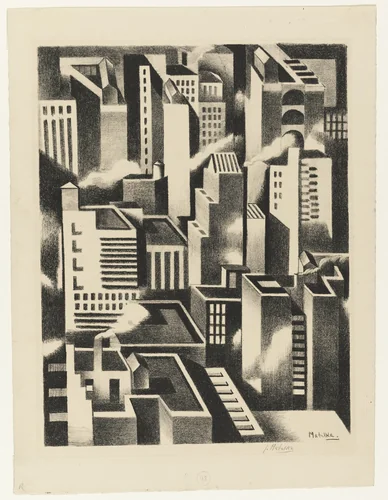
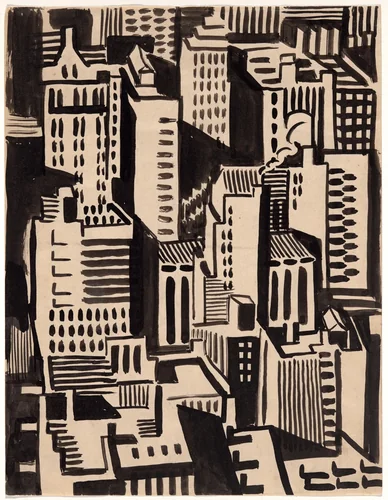
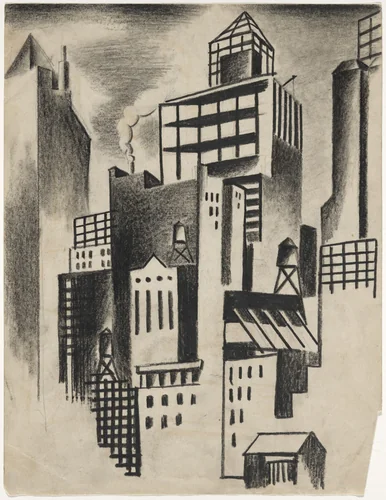
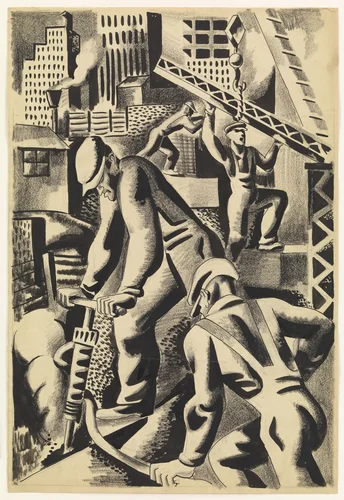
Matulka’s artistic practice was characterized by a remarkable formal fluidity and an experimental rigor that resisted easy categorization. While much of his documented production centers on various expressions of the urban environment—notably the early works titled simply Prague, New York, and multiple unnamed Cityscape studies—his style was known to pivot dramatically, ranging from the geometric structure of nascent Cubism to the raw, emotive energy of Abstract Expressionism, occasionally operating at both extremes within the scope of a single working day. This willingness to synthesize disparate aesthetic approaches marks him as an innovator whose influence was deeply felt.
Beyond his personal oeuvre, Matulka’s significance rests heavily upon his formidable teaching career and the quality of the next generation he cultivated. His students, including pivotal figures such as David Smith, Dorothy Dehner, Francis Criss, Burgoyne Diller, and I. Rice Pereira, collectively attest to the depth of his direct artistic influence during the critical transitional phase of American abstract art. It is perhaps an understated observation that an artist who shifts his formal language so radically and quickly must possess an almost architectural understanding of underlying composition, a trait clearly transferred to those he instructed.
Today, the historical importance of his output is maintained both in major museum collections and in their subsequent accessibility. For example, selected Jan Matulka paintings and works are increasingly entering the public domain, allowing for their study and appreciation globally. The availability of high-quality prints and downloadable artwork ensures that this foundational modernist’s contribution remains readily accessible to scholars and enthusiasts alike, cementing his legacy as a foundational pillar of the American avant-garde.
Source: Wikipedia · CC BY-SA 4.0