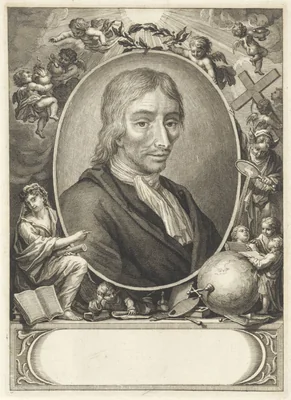
Jan Luyken
Johannes or Jan Luyken (1588-1669) was a seminal Dutch figure during the Golden Age, celebrated for his versatile talents as a poet, illustrator, and engraver. His visual output, spanning nearly eight decades, is distinguished by its technical rigor and a remarkable capacity to shift between precise topographical documentation and rich narrative illustration. Luyken's extensive catalog of drawings and prints, including examples held by institutions like the Rijksmuseum and the Metropolitan Museum of Art, demonstrates the high demand for masterful, complex graphic work in 17th-century European publishing.
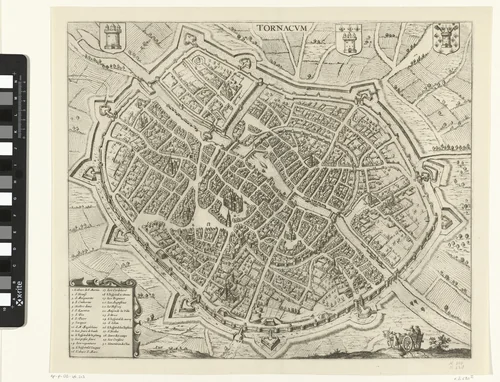
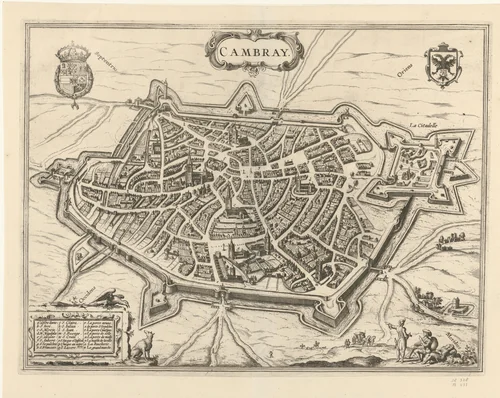
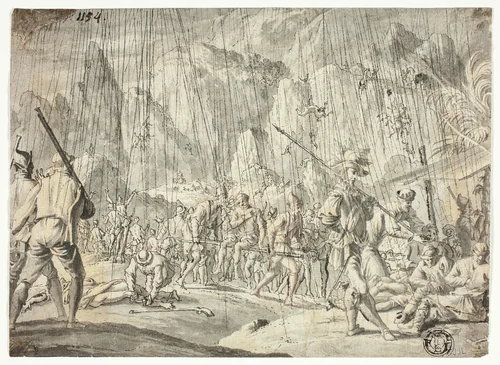
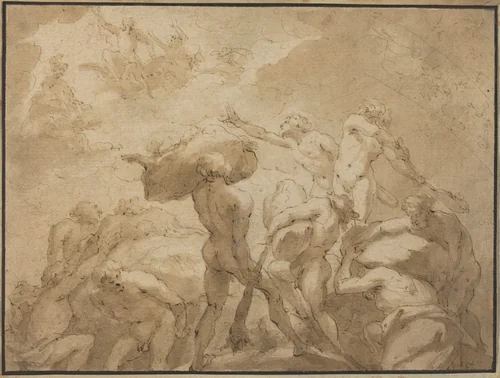
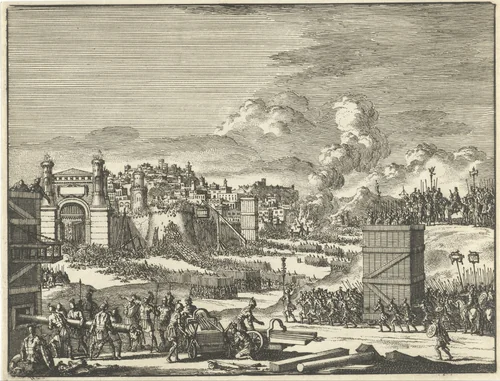
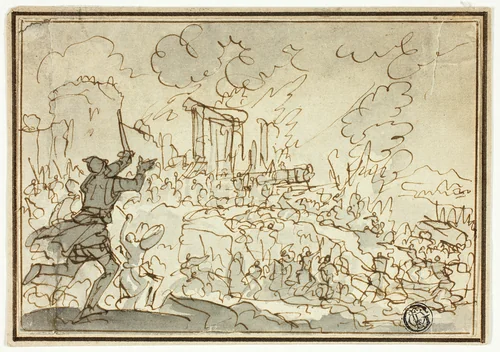
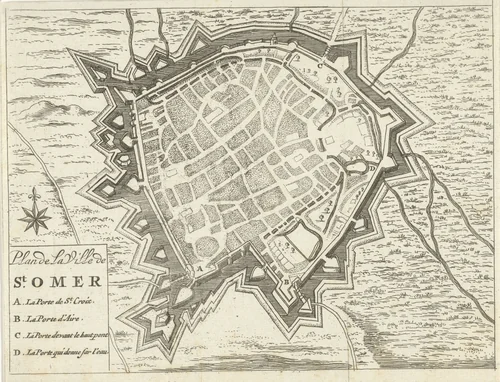
Luyken’s professional focus frequently merged artistic endeavor with utilitarian requirements. This is particularly evident in his cartographic works, which function as invaluable historical documents. Prints such as Plattegrond van Doornik and Plattegrond van Cambrai (Kamerijk) provide forensic-level accuracy in detailing military fortifications and urban layouts, underscoring the era’s reliance on precise visual data. However, his work was by no means limited to the objective; Luyken also excelled at rendering dramatic, imaginative scenes. His large-scale prints, including Battle Scene and the complex Battle of the Gods and Giants from Mount Olympus and Mount Othrys, showcase an equal commitment to meticulous detail in musculature, movement, and atmospheric depth. This seamless mastery, allowing him to oscillate between the architectural precision of city plans and the dynamic violence of classical myth, is a hallmark of his sustained contribution.
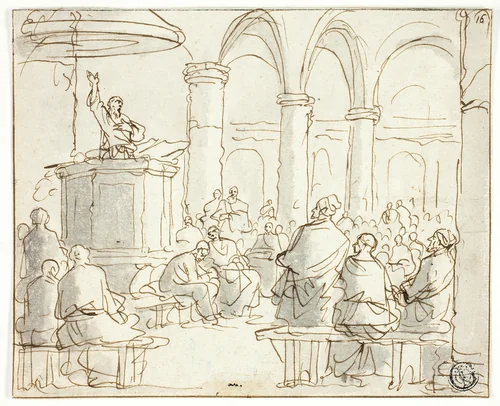
While Luyken achieved significant fame for his literary works, his sustained legacy in the visual arts stems from his prolific output as an engraver. The quality of his plates ensures that his figure studies and narrative compositions remain highly sought after as museum-quality acquisitions. For an artist whose primary professional function involved providing detailed imagery for the texts of others, the fact that his name often played second fiddle to the books he illustrated remains an understated, quiet irony of his long career. Fortunately, many of his key images have entered the public domain, ensuring scholars and enthusiasts can access high-quality prints for study and appreciation today.
Source: Wikipedia · CC BY-SA 4.0