Jan Lievens
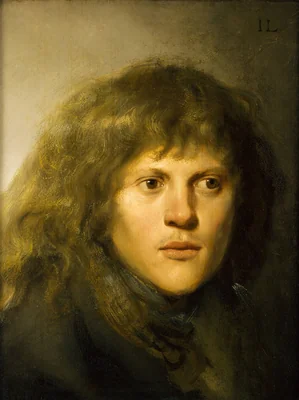
Jan Lievens (1607-1674) stands as a major figure of the Dutch Golden Age, often viewed through the lens of his critical early association with Rembrandt van Rijn. Born in Leiden only a year apart, the two young artists shared foundational experiences that shaped the trajectory of 17th-century Northern European art. Both trained initially in Amsterdam under the master Pieter Lastman. This shared apprenticeship culminated in a period of intense collaboration, where Lievens and Rembrandt maintained a joint studio in Leiden for approximately five years, concluding around 1631. During this highly experimental phase, they pushed the boundaries of dramatic chiaroscuro and emotional intensity, applying these techniques equally to penetrating portraiture and complex narrative history paintings.
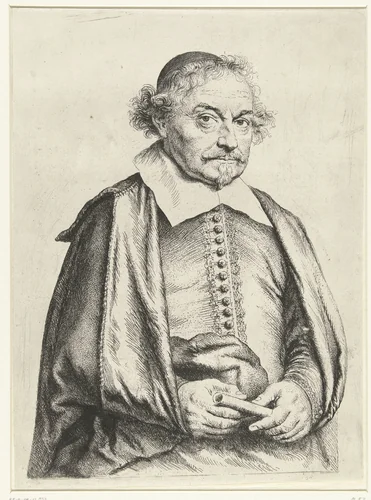
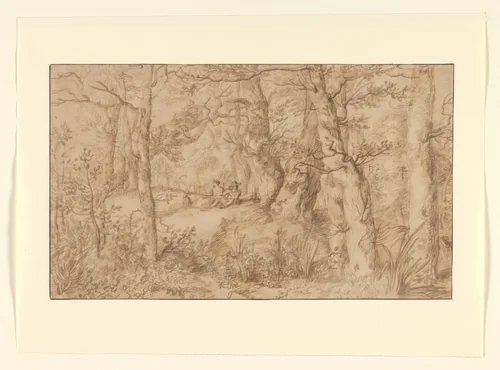
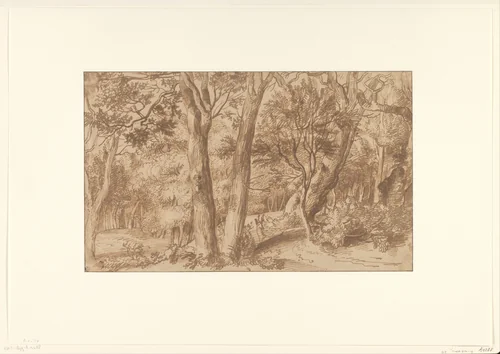
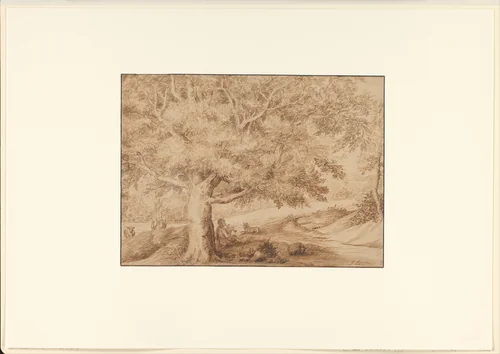
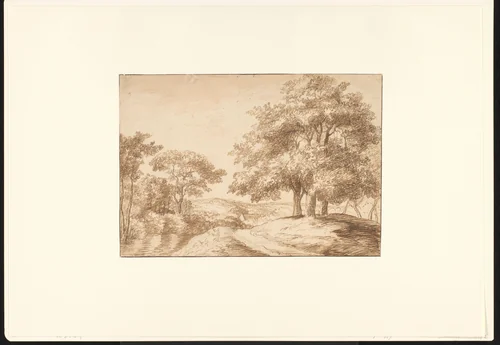
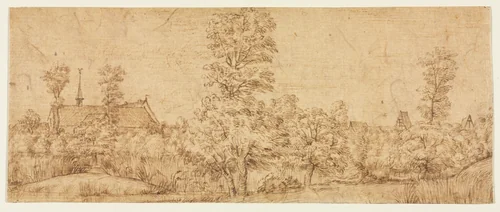
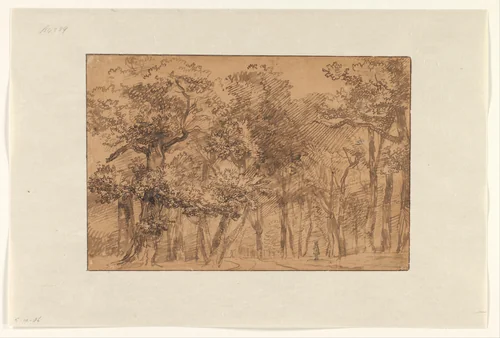
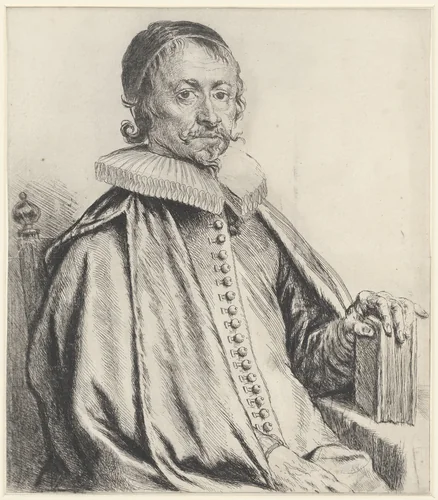
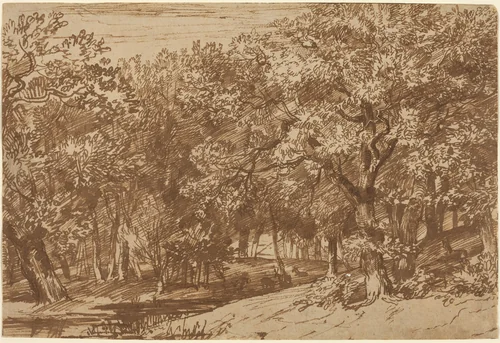
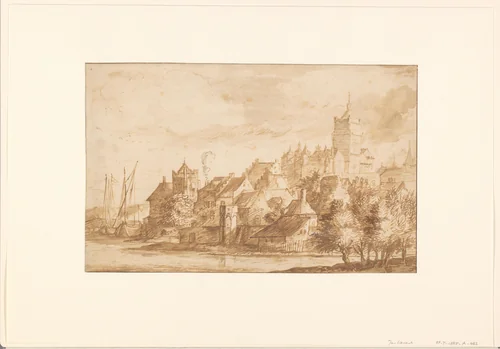
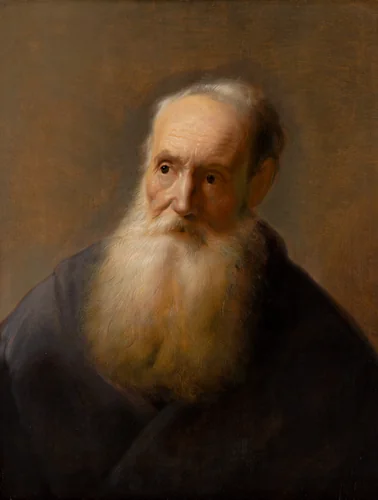
While the historical comparison to Rembrandt is inevitable, Lievens quickly established a distinct voice characterized by remarkable technical versatility. His output included substantial history subjects alongside keenly observed character studies. Examples found within major institutional collections, such as the Metropolitan Museum of Art and the National Gallery of Art, reveal his mastery of rendering specific character types, visible in works like the stark Bust of a Balding Man or the precise handling of expression in the etched Portrait of Ephraim Bonus, physician. His ability to capture individual psychological depth was profound. His early reputation among contemporaries was, in fact, sometimes considered the superior of the pair, before Rembrandt’s international ascendancy. Lievens was an equally adept printmaker, evidenced by his surviving corpus of 14 Jan Lievens prints and 1 drawing, which continues to inform scholarly understanding of his technique.
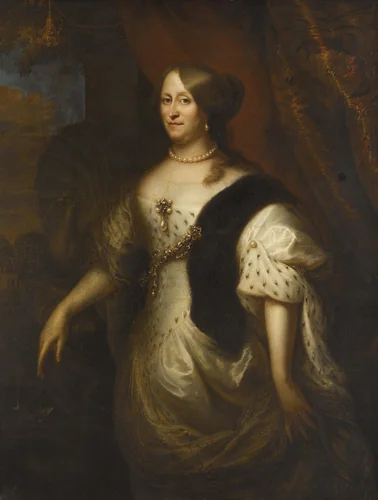
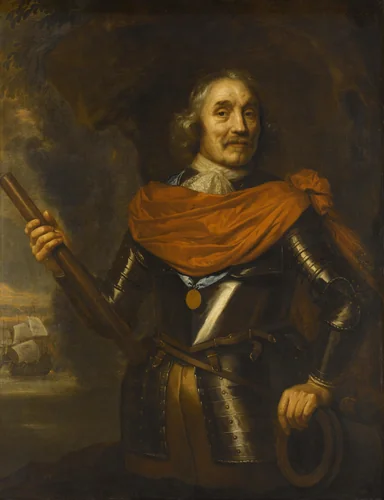
Unlike Rembrandt, who largely remained fixed in Amsterdam, Lievens cultivated a truly international career, migrating across major European artistic hubs. His trajectory included significant periods in London, where he likely encountered Anthony van Dyck, followed by productive stretches in Antwerp, The Hague, and Berlin. This geographic mobility provided him with broad exposure and diverse patronage, ensuring his style evolved beyond the close confines of the Leiden school. Today, his work is highly prized for its museum-quality execution and historical importance. Researchers and collectors frequently seek out high-quality prints of works like Daniel Heinsius, often available as downloadable artwork through institutions maintaining the public domain. His significant corpus of Jan Lievens paintings and graphic works remains a cornerstone of Dutch Baroque collections globally.
Source: Wikipedia · CC BY-SA 4.0