Jan Lamsvelt
Jan Lamsvelt was a graphic artist and printmaker active during the late 17th and early 18th centuries, with his documented professional period spanning 1684 to 1726. The totality of his known surviving output consists of prints, indicating a specialization in reproductive and illustrative media prevalent in this era.
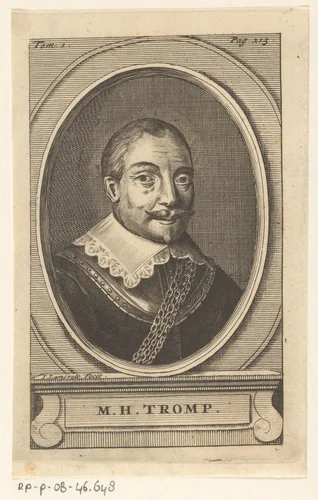
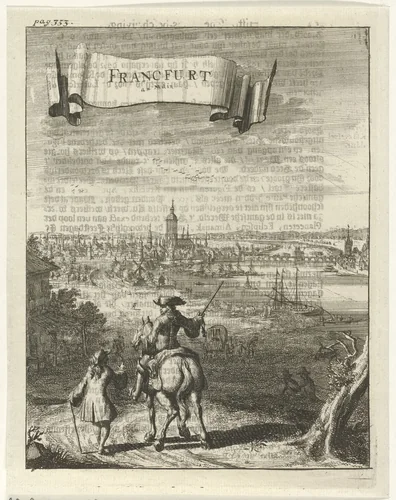
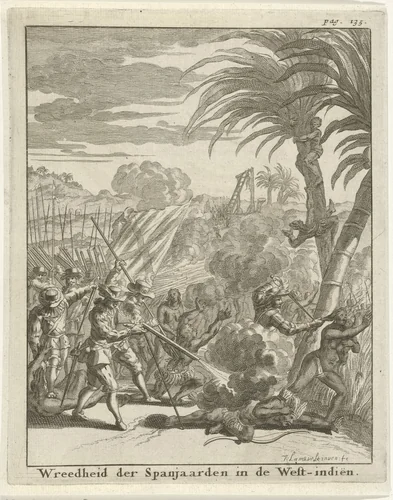
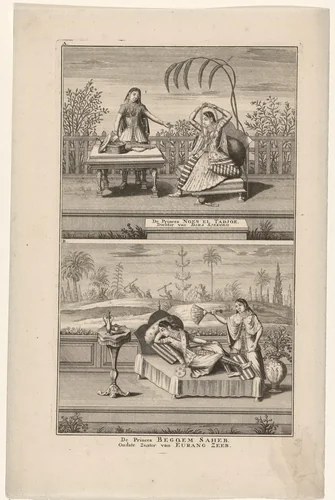
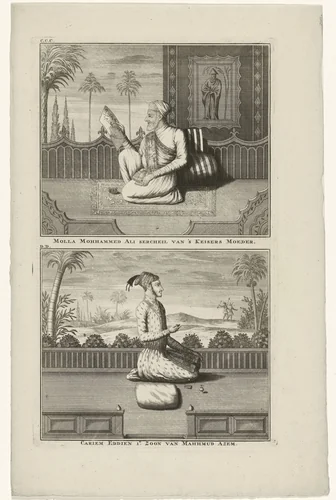
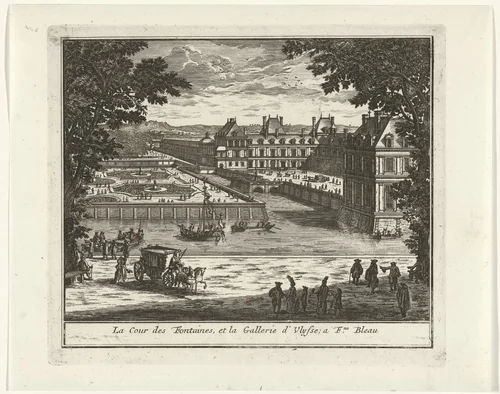
Lamsvelt's surviving body of work, comprising twelve prints represented in museum collections, demonstrates a diverse thematic focus reflective of contemporary interests in history, geography, and portraiture. His subjects range from detailed portraiture, such as the depiction of the military leader in Portret van Maarten Harpertszoon Tromp, to topographical views, exemplified by Gezicht op Frankfurt am Main. He also produced historical and genre scenes, including the political commentary inherent in Spanjaarden beschieten inwoners van West-Indië and depictions of foreign figures, such as De prinsessen Noer El Tadjoe en Begquem Saheb and Twee Oosterse figuren.
These Jan Lamsvelt prints are preserved in institutional archives, notably the Rijksmuseum, establishing his place within the history of graphic arts produced around the turn of the 18th century. Today, many of these historical images reside in the public domain, allowing for the creation of high-quality prints from his original engravings. Digital copies of this downloadable artwork ensure the continued accessibility and study of his historically significant output.