Jan Griffier
Jan Griffier (active 1655-1680) represents a key figure in the artistic transfer between the Low Countries and England during the late seventeenth century. A documented Dutch Golden Age painter, his career crystallized in London, where he gained institutional legitimacy, evidenced by his formal admission to the London Company of Painter-Stainers in 1677. This successful transplantation allowed him to interpret English and continental subject matter through a recognizably Dutch lens, utilizing the meticulous detail associated with that school.
While his title often rests on his identity as a painter, the surviving record indicates a robust engagement with graphic media. With a known corpus consisting primarily of five prints and three drawings, supported by one Jan Griffier painting, the emphasis clearly falls upon his abilities as a draftsman and printmaker. His versatility allowed him to move adeptly between topographical views and intimate genre scenes.
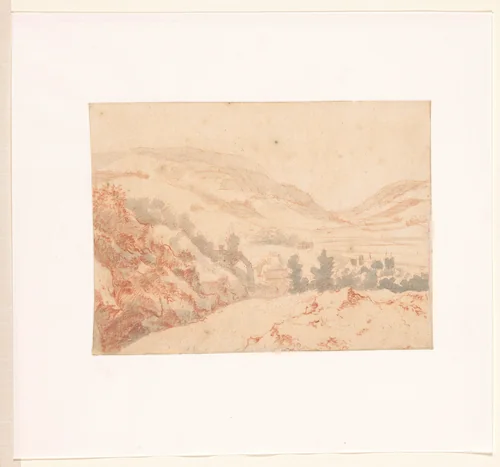
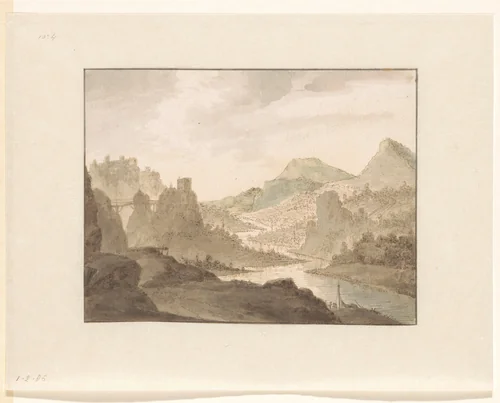
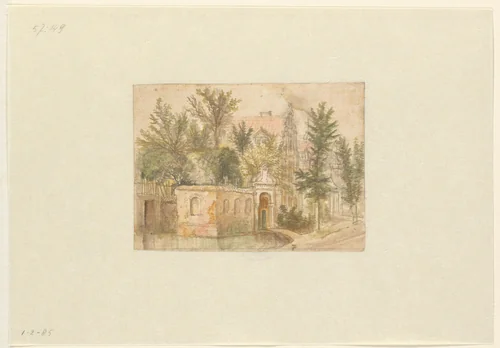
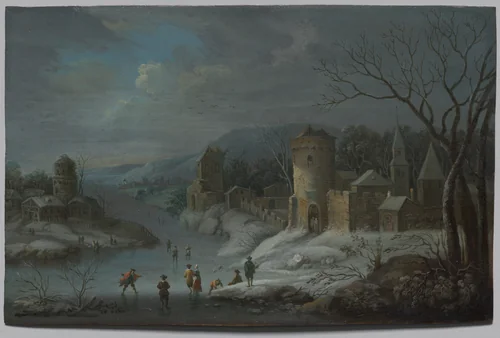
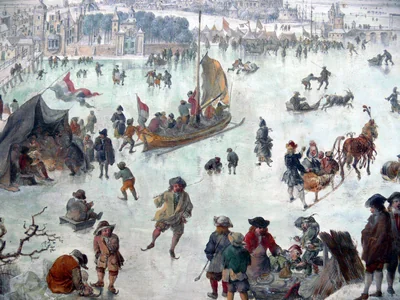
Griffier’s topographical studies provided vivid documentation of both rural and urban environments. Works such as the atmospheric Rivierlandschap (River Landscape) and the precisely rendered Stadshuizen boven een gracht (Town Houses above a Canal) showcase his mastery of atmosphere and perspective, adhering closely to the established traditions of the Dutch landscape genre. Yet, it is perhaps in his less formal studies that his subtle personality emerges. He showed a distinct, almost observational curiosity regarding domestic subjects, moving away from grand themes to capture the immediate environment.
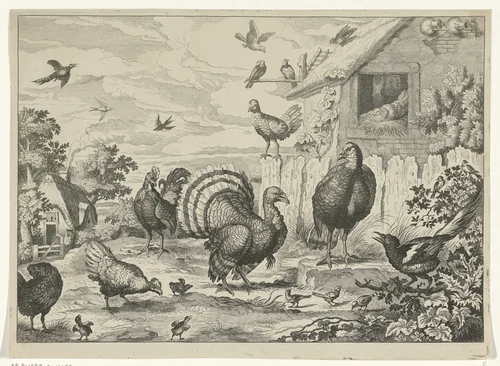
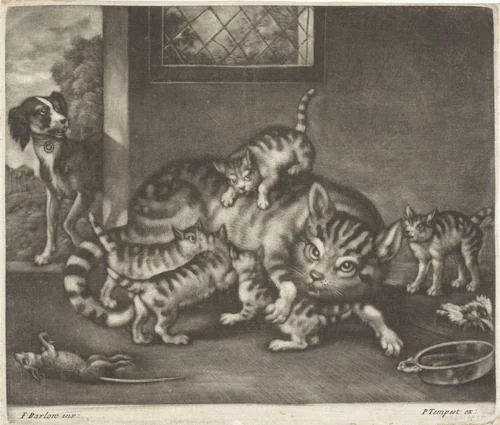
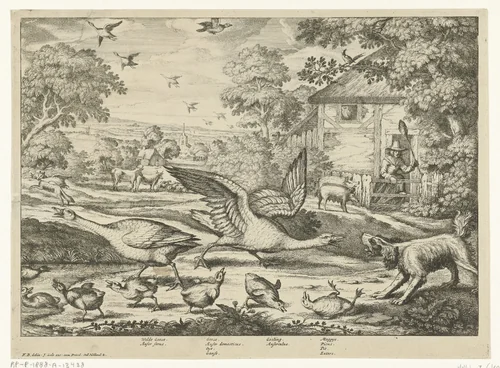
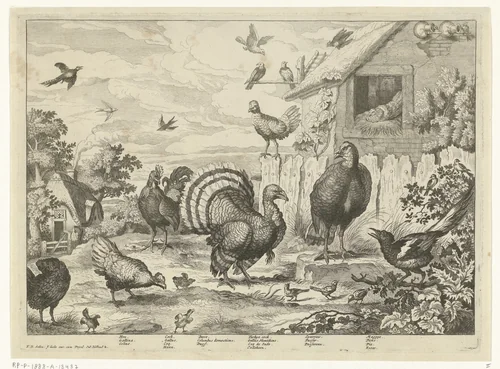
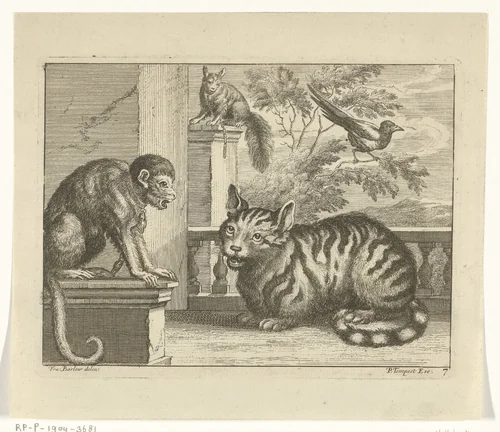
This focus on the particularities of the mundane is evident in the wonderfully specific animal studies such as Verschillend gevogelte en een kalkoen (Various Fowl and a Turkey) and the affectionately detailed Poes met vijf jongen (Cat with Five Young). This willingness to document the commonplace offers a refreshing, slightly whimsical counterpoint to the prevailing monumentalism of the era.
The significance of Griffier’s output is affirmed by its placement in prestigious institutions, including the Rijksmuseum and the Cleveland Museum of Art. As his work transitions firmly into the public domain, the increasing availability of his high-quality prints ensures that scholars and enthusiasts worldwide can access and appreciate the subtle artistry of this transitional figure.
Source: Wikipedia · CC BY-SA 4.0