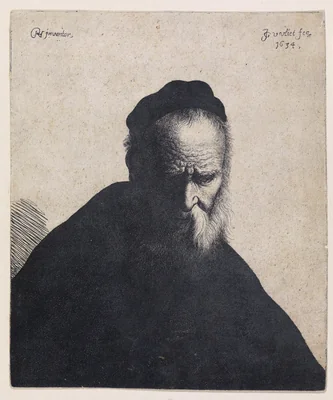
Jan Georg van Vliet
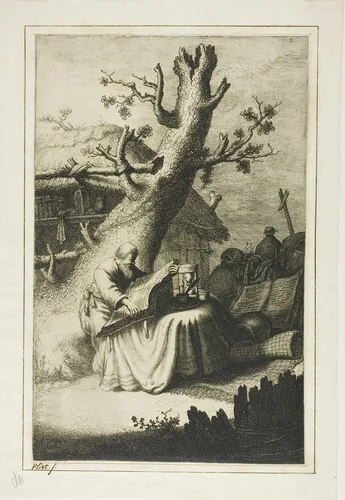
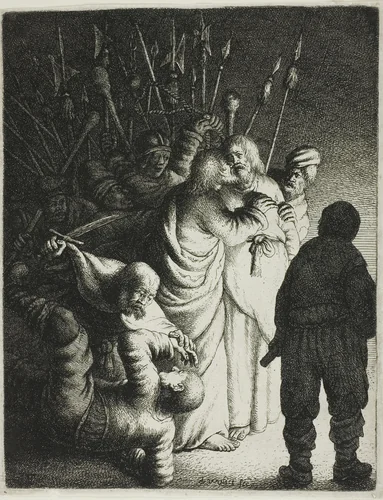
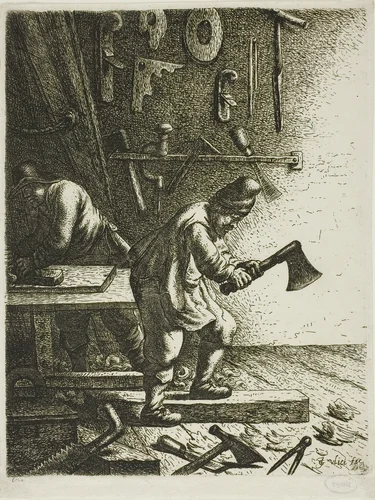
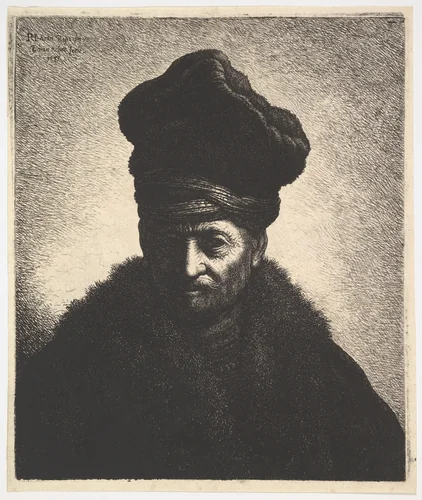
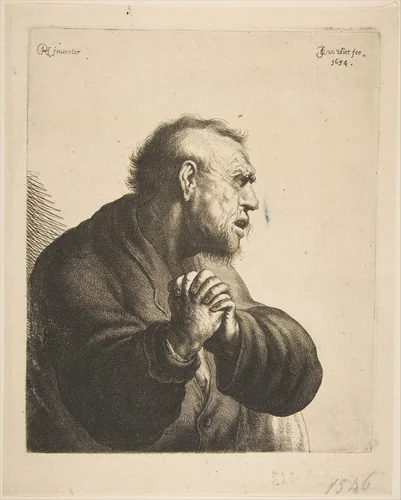
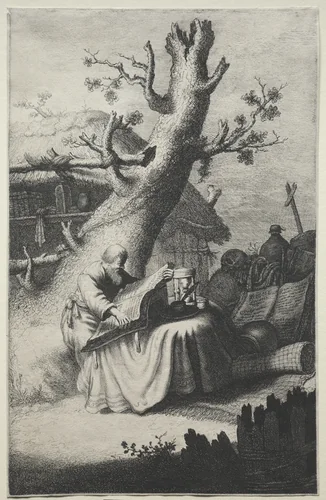
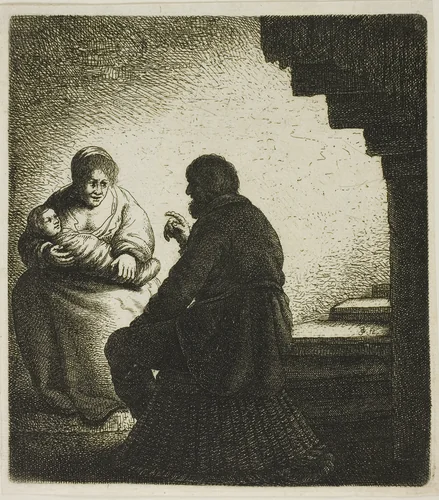
Jan Georg van Vliet was a Dutch Golden Age artist active primarily between 1620 and 1634. Though historical records identify him as a pupil in Rembrandt’s influential Leiden workshop, his contemporary significance rests exclusively on his graphic output. He produced a distinctive, if limited, body of work comprised of approximately twelve masterful etchings and drawings. These remarkable Jan Georg van Vliet prints are held in major institutional collections globally, including the Metropolitan Museum of Art, the Art Institute of Chicago, and the Cleveland Museum of Art, testifying to the enduring quality of his technical skill.
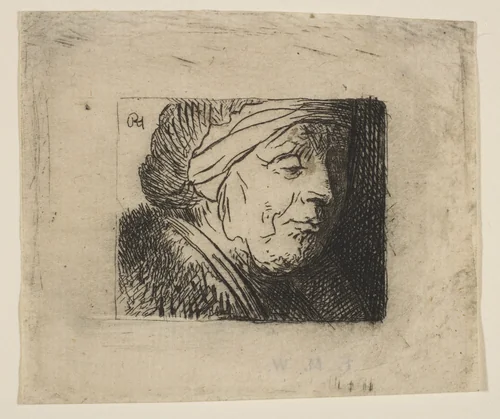
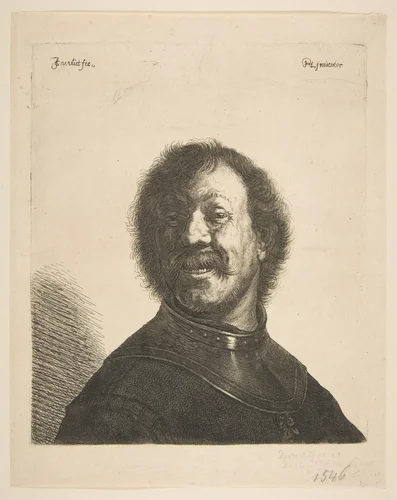
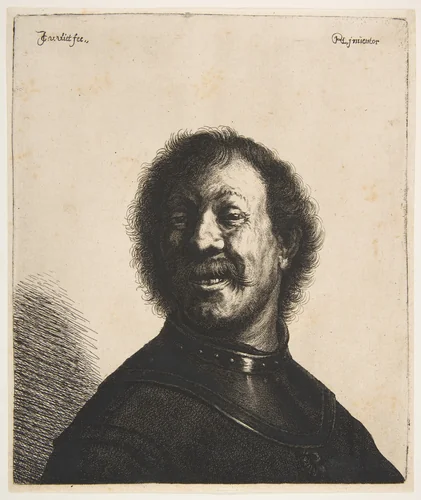
The corpus of work definitively attributed to Van Vliet is small but compelling. His subjects often utilized dramatic chiaroscuro effects, clearly reflecting the stylistic influence of his mentor. Prints such as Head of an Old Woman and the vividly detailed Laughing Man in a Gorget showcase his aptitude for capturing intense, fleeting emotional states with focused precision.
Perhaps the most intriguing aspect of his legacy is the ongoing re-evaluation of his output; while earlier scholarship frequently ascribed certain canvases to him, the field now maintains that virtually all Jan Georg van Vliet paintings lack sufficient confirmation. Consequently, his stature is cemented entirely by his expertise in etching and burin work, leaving posterity with a focused catalog of graphic arts. Today, many of these museum-quality compositions are available as downloadable artwork, having entered the public domain.
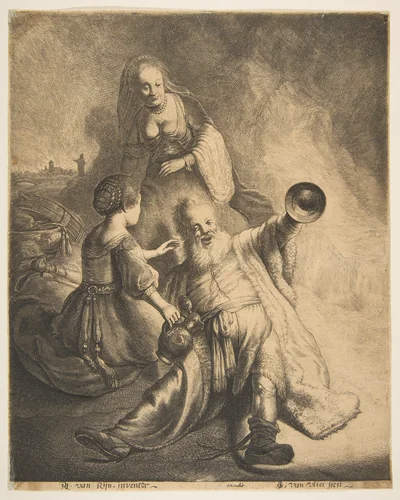
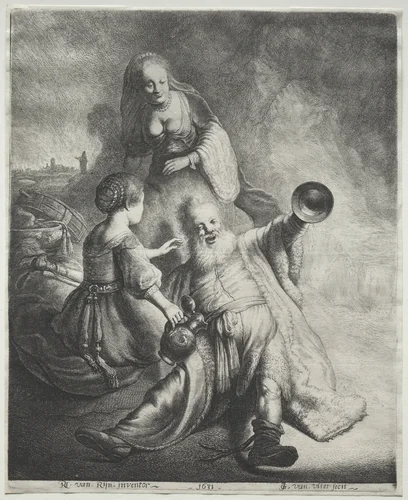
Van Vliet offers a rare case study in art history: an artist whose historical importance has been refined rather than diminished by a definitive reduction in attributed works. It takes a certain kind of talent to have one's entire surviving reputation rest on a dozen graphic pieces, all while retaining a major historical footnote as a Rembrandt associate. His contributions, though constrained to the medium of printmaking, exhibit exceptional precision and depth. Pieces like Lot and his Daughters demonstrate his careful handling of narrative and complex figural composition. These durable high-quality prints ensure that Van Vliet remains a recognized and respected figure in the study of early Dutch etching.
Source: Wikipedia · CC BY-SA 4.0