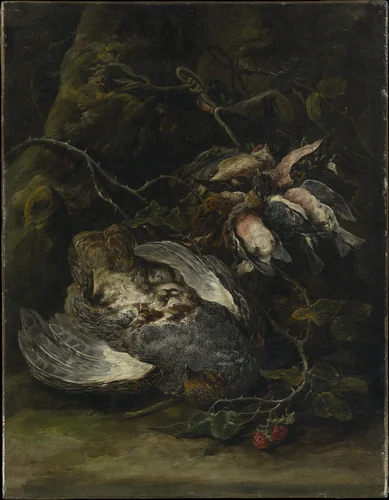
Jan Fyt
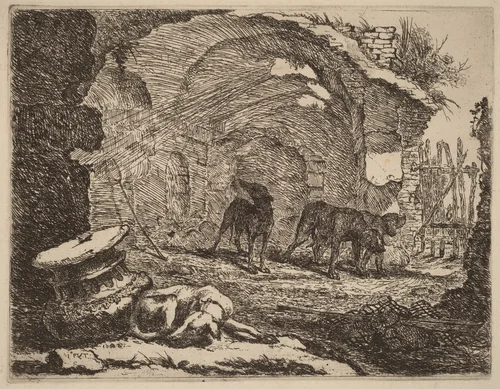
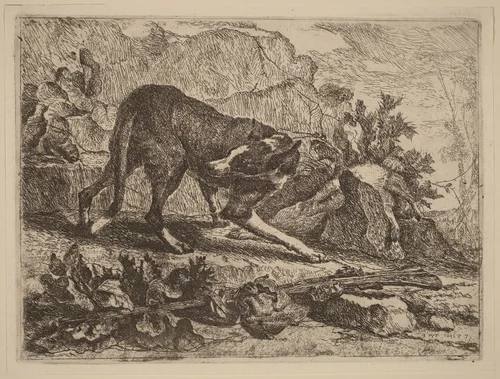
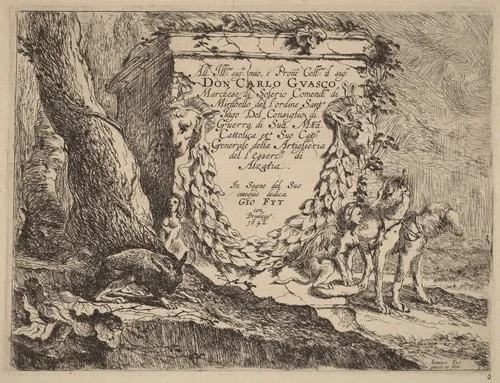
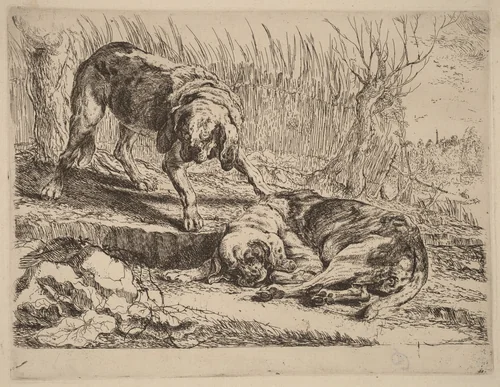
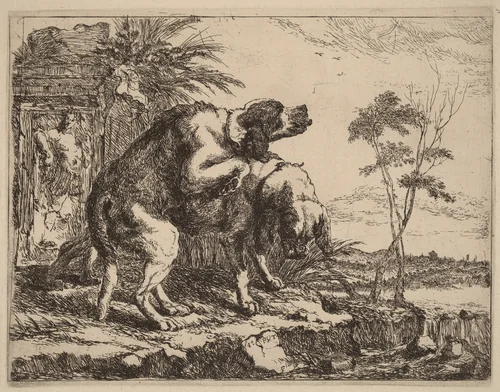
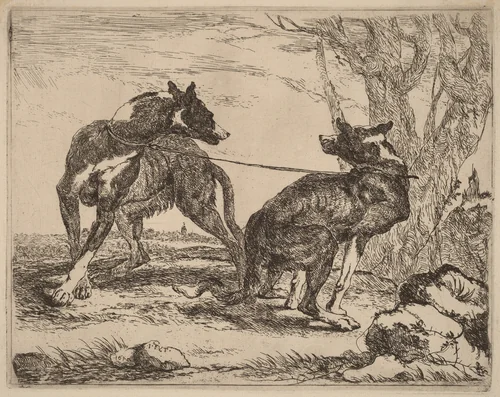
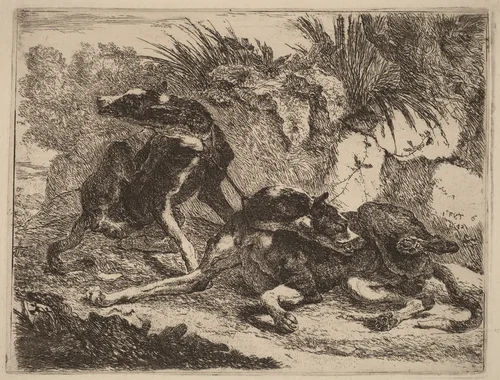
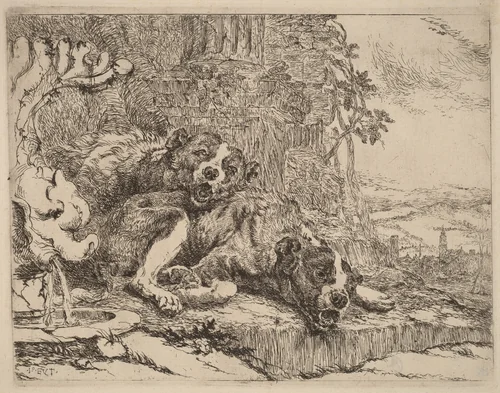
Jan Fyt (1611-1650) was a pivotal Flemish Baroque painter, draughtsman, and etcher whose relatively short career established him as one of the most accomplished still life and animalier specialists of the 17th century. Active primarily in Antwerp, Fyt mastered a sophisticated and luxurious style that elevated the depiction of natural subjects into high art.
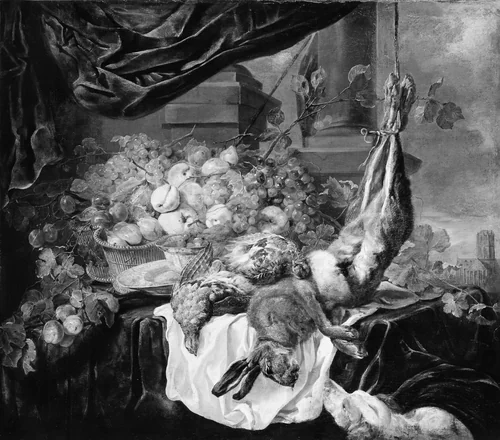
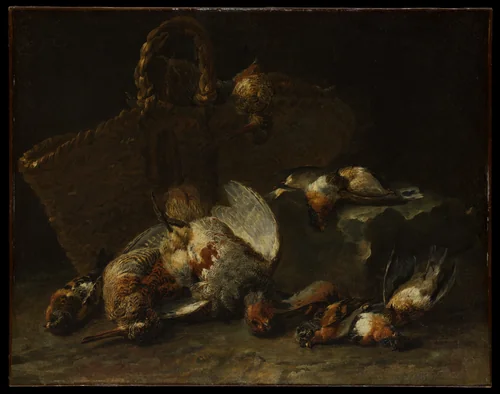
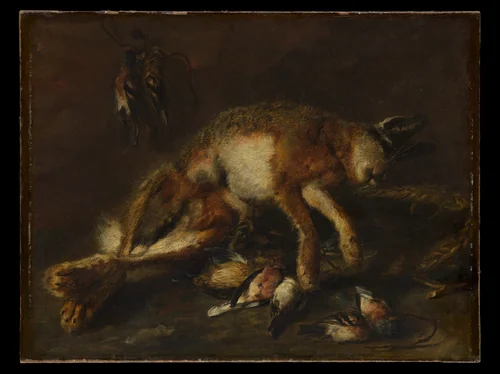
Fyt’s artistic repertoire was extensive, encompassing exquisitely refined flower and fruit still lives, elaborate garland paintings, and the “lush hunting pieces” for which he is best known. He was a master of integration, often combining disparate subgenres into a single, cohesive composition. This innovation resulted in complex arrangements, such as still lives featuring game, flowers, and fish situated under a dramatic festoon. His compositions, like A Basket and Birds or the striking A Hare, Partridges, and Fruit, reveal an intense focus on texture: the gleam of porcelain, the softness of plumage, and the tactile quality of velvet or rough animal hides.
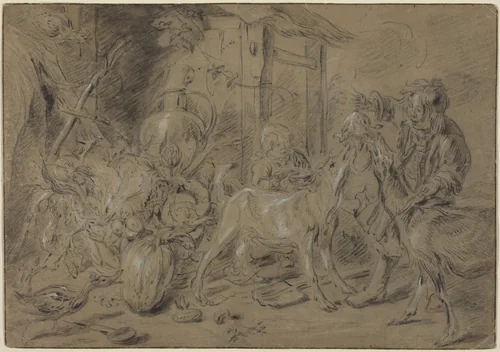
Unlike many contemporary specialists who focused narrowly on floral arrangements or single types of game, Fyt demonstrated a remarkable capacity to render the entire Baroque ecosystem. His works often capture the moment after the hunt, balancing the opulence of the bounty with a dynamic, if controlled, sense of chaos. A unique subtle personality element in Fyt’s work is his frequent inclusion of the living alongside the dead; in compositions such as Still Life with Two Children Feeding Goats, he demonstrates that the boundaries between still life and genre painting were fluid and flexible.
Fyt was influential throughout the Low Countries, most notably serving as the probable master to Pieter Boel, who successfully carried Fyt’s distinctive style into the next generation of animal painters. His exceptional quality and prolific output ensured that his works entered major European collections immediately. Today, fine examples of Jan Fyt paintings and drawings are foundational holdings at institutions including the Metropolitan Museum of Art and the National Gallery of Art. Many of his key pieces, recognized for their superb detail, are now part of the public domain, allowing for the widespread creation of high-quality prints and downloadable artwork that attest to his enduring significance.
Source: Wikipedia · CC BY-SA 4.0