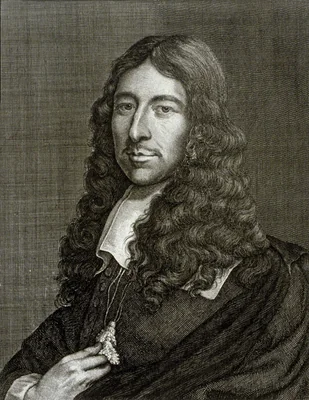
Jan de Bisschop
Jan de Bisschop, known also by his Latinate moniker Johannes Episcopius (1628–1671), represents a significant, if structurally unconventional, figure within the Dutch Golden Age. Trained and actively practicing as a lawyer, his enduring legacy resides in his meticulous output as a draftsman and engraver. De Bisschop channeled the precise, analytical skills of a legal mind into the demanding discipline of printmaking, establishing himself not just as a competent artist but as a critical conduit for the transmission of classical ideals into Northern European visual culture.
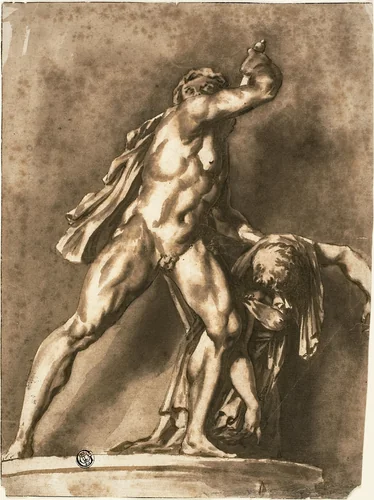
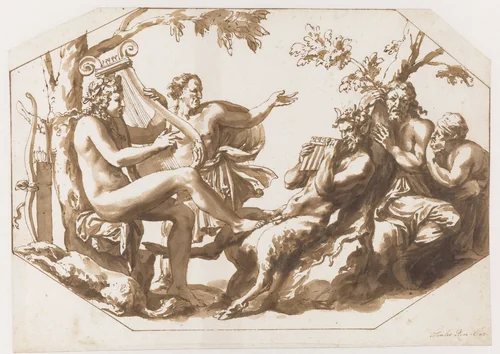
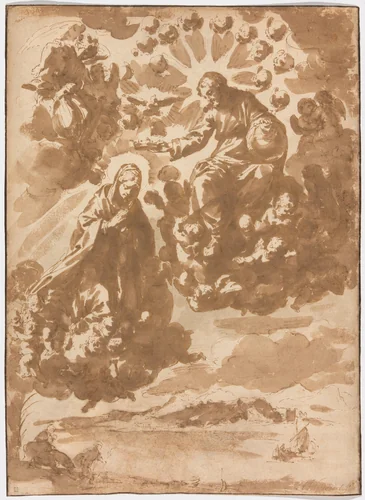
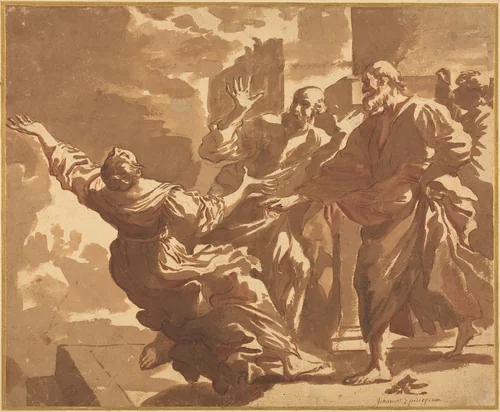
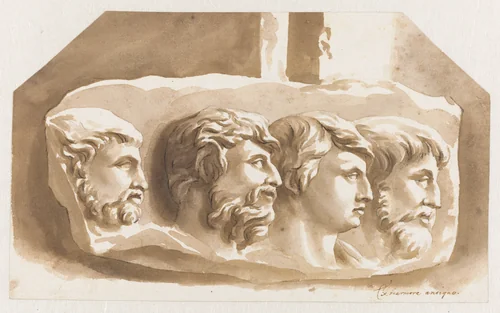
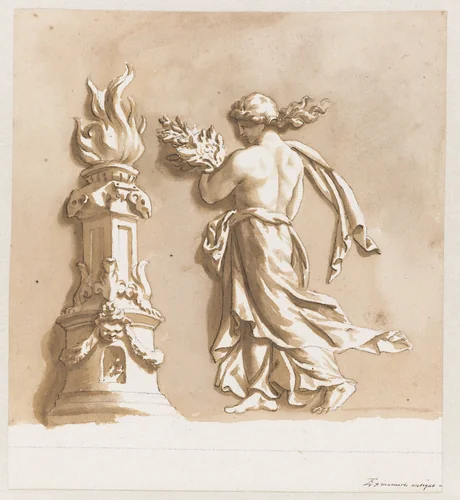
His primary contribution was the creation of print series dedicated to reproducing drawings and paintings by earlier Italian masters, effectively democratizing access to the canonical forms of Renaissance and antiquity. This was not mere copying; De Bisschop developed a refined graphic language that translated complex painterly effects into easily understandable linear studies. The technical skill evident in the surviving Jan de Bisschop prints confirms his dedication to this project, bridging the geographical and temporal gap between Rome and the Netherlands.
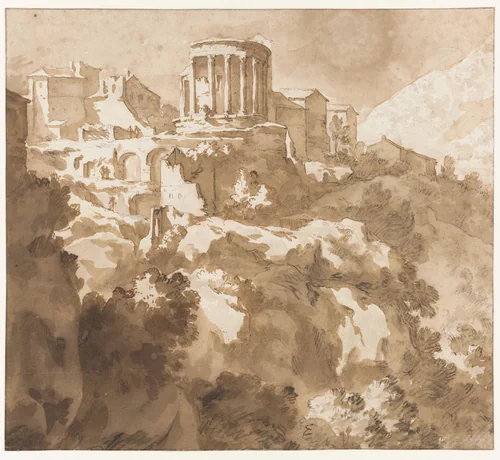
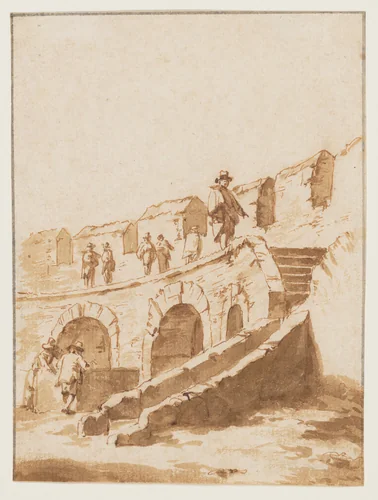
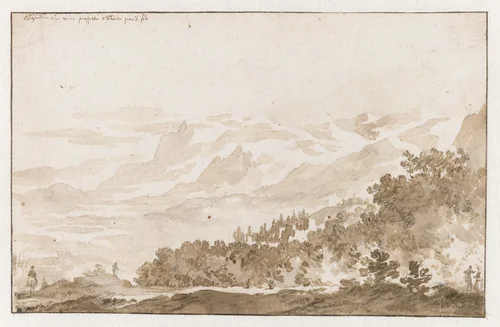
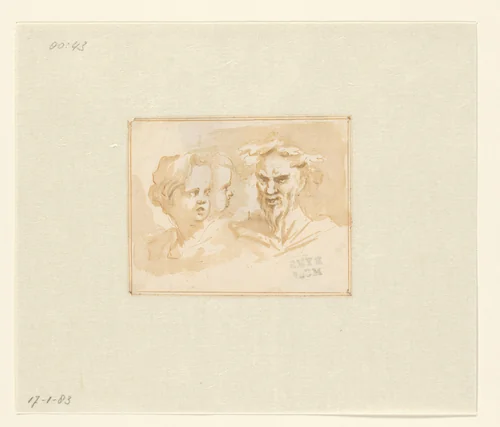
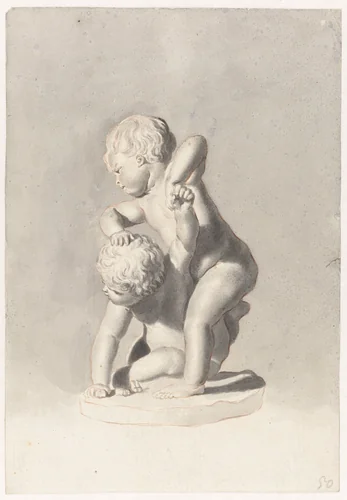
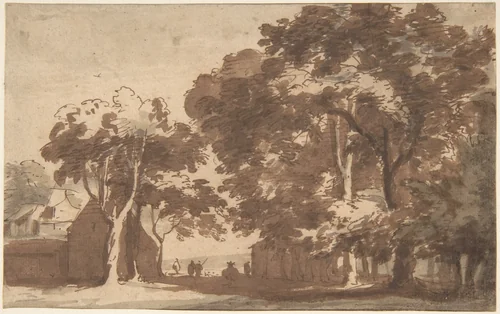
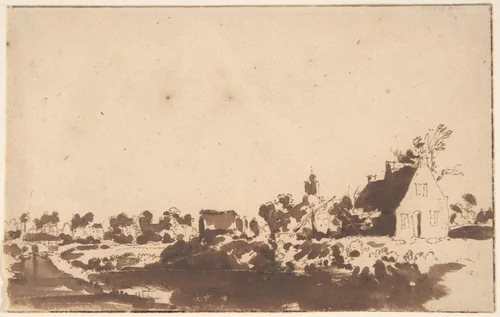
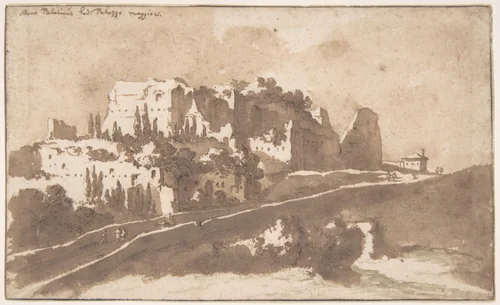
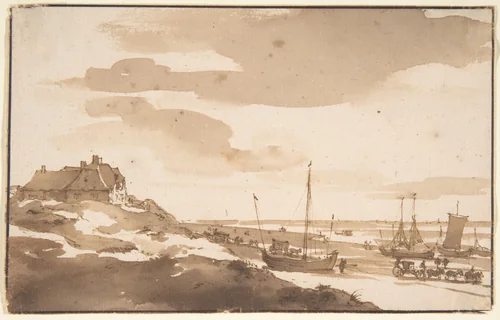
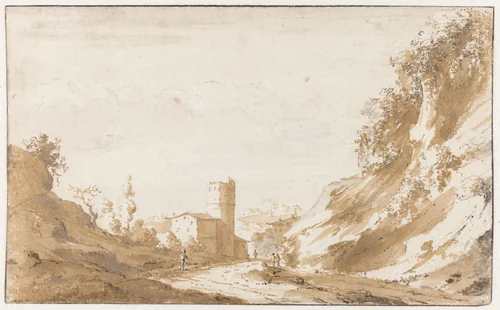
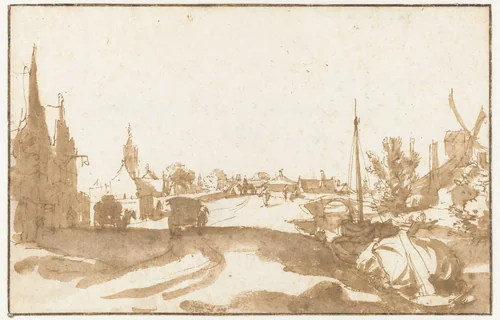
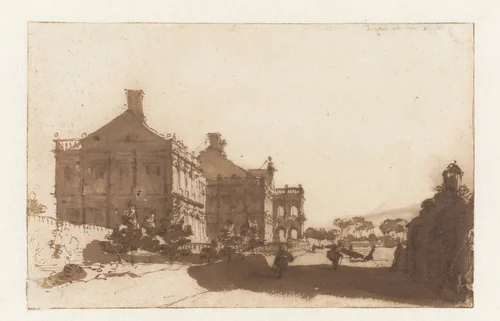
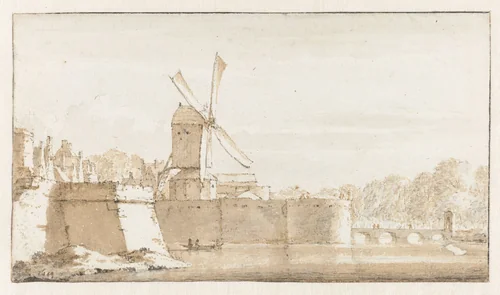
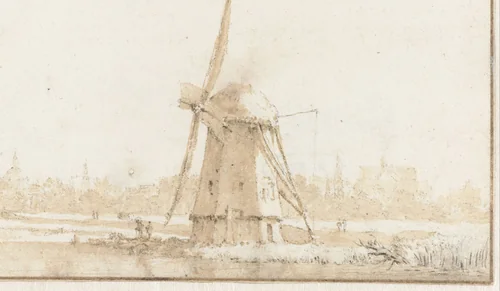
While his body of original drawings remains small, his observational acumen is clear in works capturing both local scenes, such as Windmill Near the Hague, and grand tour recollections, evidenced by the atmospheric detail of A View of Savelli near Albano. His catalogue ranges from sensitive portraiture, including Nicolaes Pietersz Tulp, to figure studies like Halfnaakte jongen met een blokje hout and Flora met een bloesemtak in haar hand. It is perhaps fitting that a lawyer, whose profession demanded clarity and structure, dedicated his spare artistic time to organizing and defining the vast, often contradictory, visual history of the European tradition.
His method of rigorously cataloging and disseminating images proved invaluable for generations of artists who could study classical compositions without the necessity of expensive foreign travel. This commitment to visual education ensured his continued historical relevance. Today, this high-quality output is often secured in the public domain, allowing for free art prints and downloadable artwork. The museum-quality of De Bisschop’s work, which effectively synthesized Roman grandeur with Dutch precision, is affirmed by its inclusion in major global institutions, including the Rijksmuseum, the Metropolitan Museum of Art, and the National Gallery of Art.
Source: Wikipedia · CC BY-SA 4.0