Jan Baptist de Wael
Jan Baptist de Wael (active 1642-1692) was a Flemish artist whose primary significance lies in his career as a printmaker active almost exclusively in Italy. Though born in the Southern Netherlands, De Wael swiftly became an expatriate, transplanting the technical precision of Northern draftsmanship onto the often chaotic and picturesque subject matter of the Italian Baroque environment. This cultural exchange defined his output across nearly five decades.
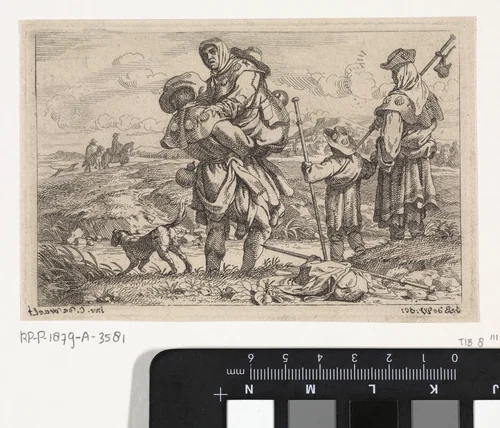
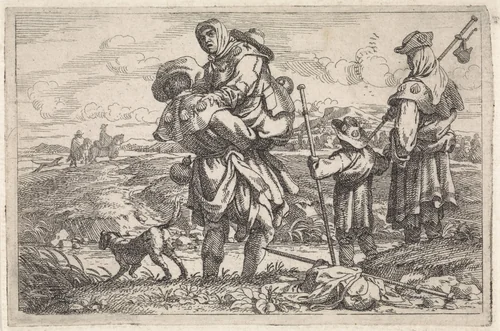
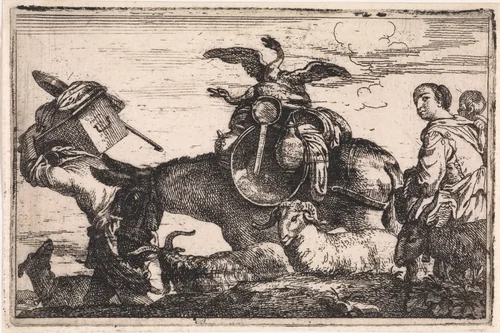
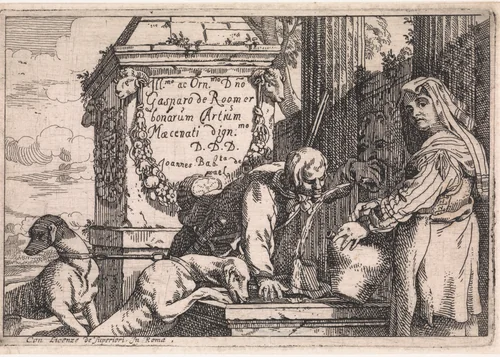
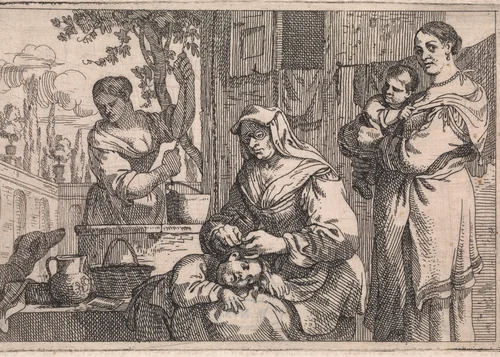
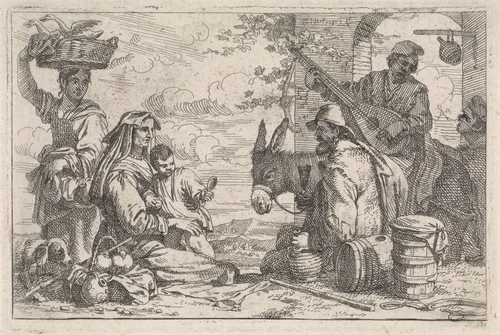
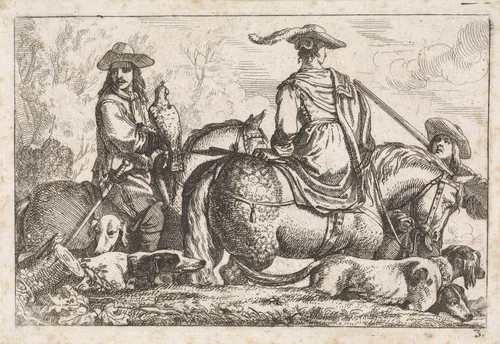
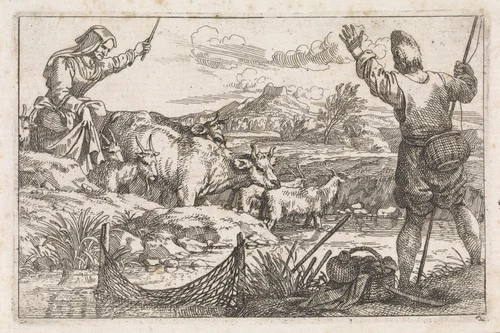
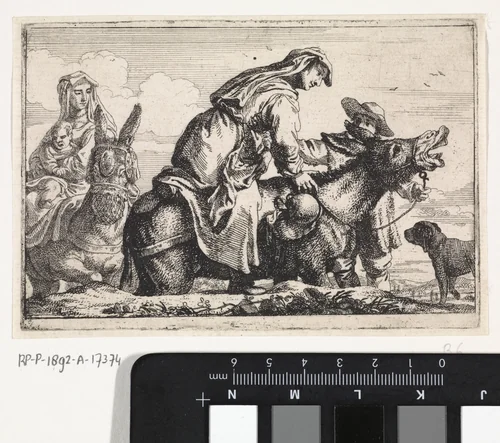
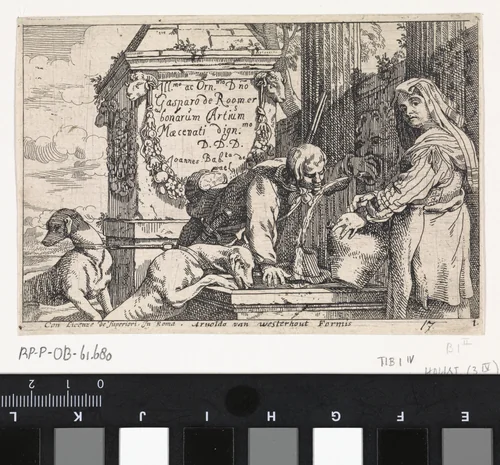
Primarily identified as a printmaker, De Wael’s surviving catalogue confirms approximately fifteen known prints, showcasing a consistent commitment to the genre scene. His works are collected by leading institutions, including the Rijksmuseum, which preserves crucial examples of his vision. De Wael specialized in depicting the itinerant figures and common laborers encountered on the roads of Italy, avoiding historical or religious narratives in favor of candid social commentary.
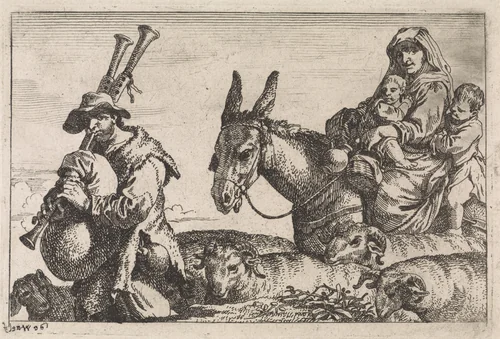
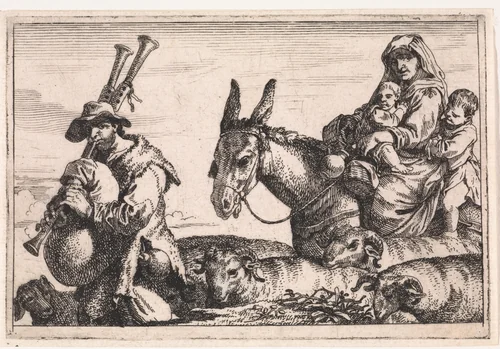
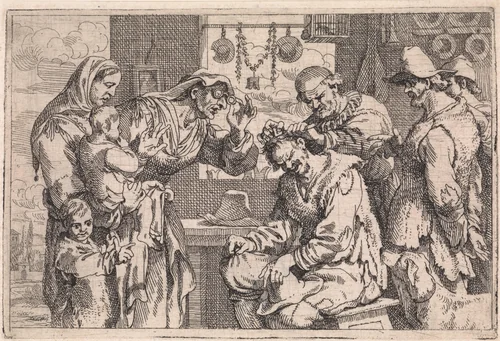
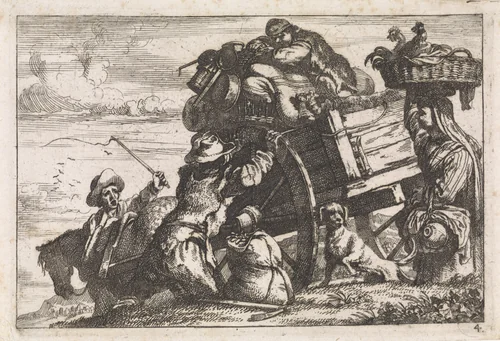
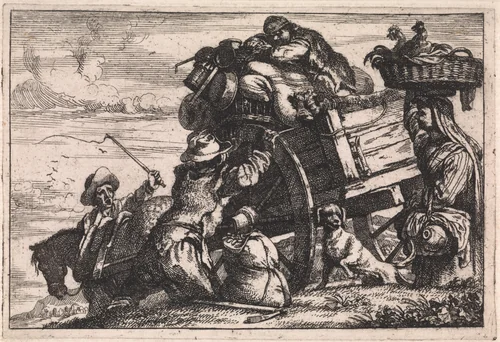
Specific works, such as De doedelzakspeler (The Bagpiper) and the detailed observation found in De dorpschirurgijn (The Village Surgeon), illustrate his particular ability to capture the grit of rural professions. These compositions function as both astute social documents and subtly humorous vignettes, revealing the artist’s quiet appreciation for the human drama found on the periphery of high society. The frequent appearance of ordinary transport, exemplified by studies titled De kar, further anchors his focus firmly in daily life.
De Wael’s contributions as a highly skilled printmaker meant his compositions achieved a wide reach across Europe during his lifetime. Working prolifically into the final decade of the seventeenth century, the long duration of his activity means that today, many of his visual contributions, particularly the detailed Jan Baptist de Wael prints, exist in the public domain. This legacy of accessibility ensures that institutions worldwide can offer high-quality prints and downloadable artwork derived from his original plates, allowing scholarly access to his meticulously rendered record of Baroque-era street life.
Source: Wikipedia · CC BY-SA 4.0