Jan Anthonisz. van Ravesteyn
Jan Anthonisz. van Ravesteyn (c. 1572-1657) occupies an essential, if sometimes critically underestimated, position in the foundational history of Dutch Golden Age portraiture. Operating almost exclusively from The Hague, which served as both the political and military nerve center of the nascent Dutch Republic, Ravesteyn cultivated a highly successful career defined by consistent official patronage. He effectively served as the de facto court painter for the House of Orange and the States-General, making his studio the destination of choice for those who sought to cement their status through enduring visual representation. His career flourished between the turn of the century and his period of peak activity, evidenced by key commissions documented around 1611-1615.
Ravesteyn’s style is characterized by a restrained classicism that perfectly suited the formal demands of the governing elite. Unlike the more expressive brushwork emerging in Harlem and Amsterdam, Ravesteyn favored a polished finish and meticulous attention to texture, ensuring that the sitter’s wealth and authority were immediately apparent. This precision in rendering costume, lace, and the accoutrements of office granted his subjects an air of sophisticated, professional gravitas.
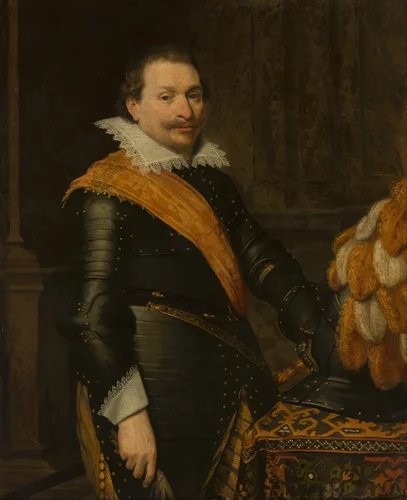
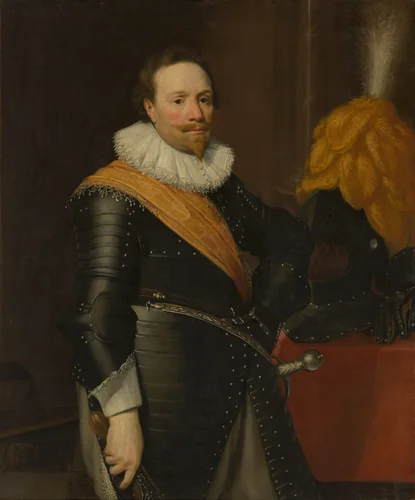
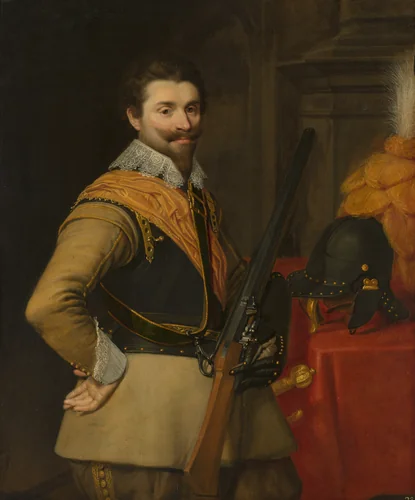
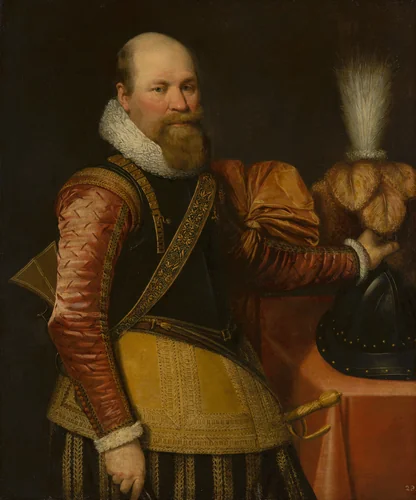
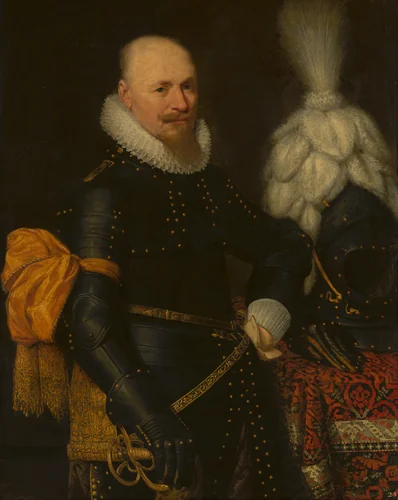
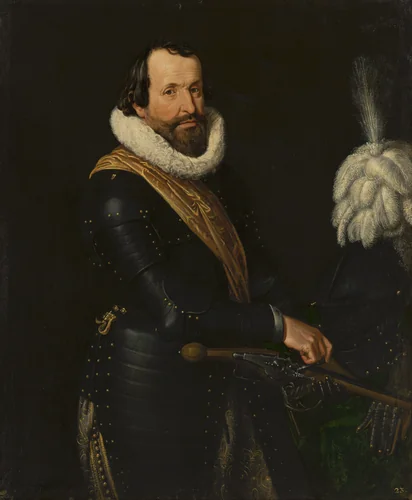
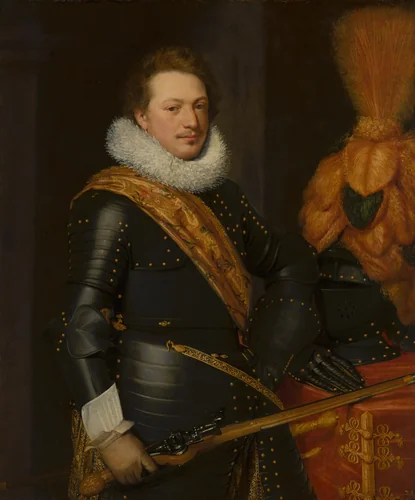
His extensive body of work includes definitive portraits of the military leadership, such as the compelling Portrait of Jan III (1583-1638), Count of Nassau-Siegen, and the astute Portrait of Nicolaas Schmelzing (1561-1629). The recurring presence of works documented simply as Portrait of an Officer underlines the systematic nature of his production, indicating that his studio was adept at meeting the high demand for official likenesses among the upper echelons of the armed forces. These Jan Anthonisz. van Ravesteyn paintings are not merely artistic creations, but crucial historical documents detailing the figures who engineered Dutch independence.
While much of his work is held in major collections, including the Mauritshuis, and represents museum-quality output, Ravesteyn’s legacy primarily rests on his role as the master image-maker of an emerging state. He provided the visual language for the new Dutch ruling class. Perhaps the most telling detail of his consistent approach is that many of his sitters, regardless of rank, share the same subtly critical, reserved expression, suggesting a standardized, professional composure expected of early 17th-century leadership. Fortunately, many of his compositions have entered the public domain, making these significant historical documents accessible as downloadable artwork.
Source: Wikipedia · CC BY-SA 4.0