James Wyatt
James Wyatt (1746-1813) stands as one of the preeminent figures in 18th-century British architecture, whose extensive career defined the delicate transition between the grand Palladian traditions and the emerging aesthetics of Neoclassicism and the nascent Neo-Gothic revival. Known for his intense professional rivalry with Robert Adam, Wyatt often secured the most prestigious commissions, establishing himself as a versatile master capable of switching seamlessly between refined ancient Roman grace and picturesque medieval fancy. This duality enabled him to dominate the architectural landscape for decades.
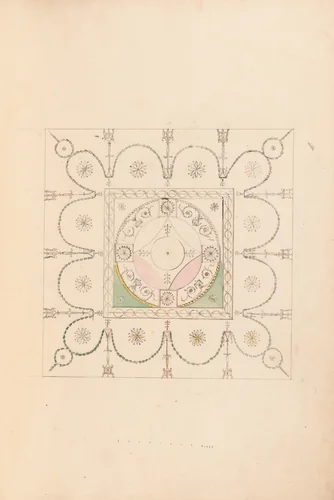
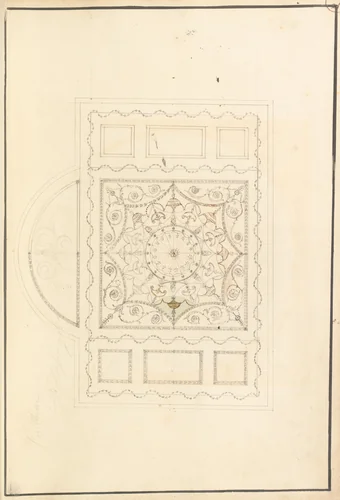
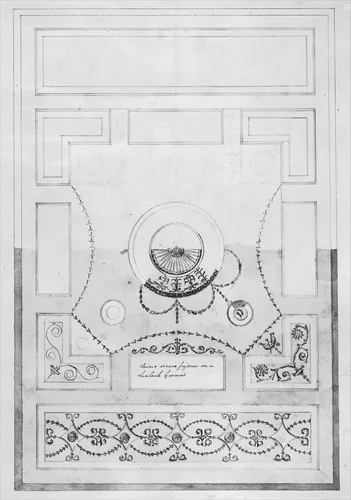
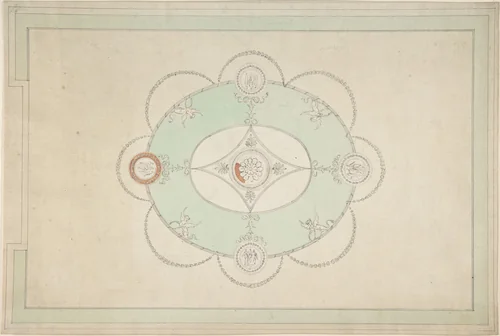
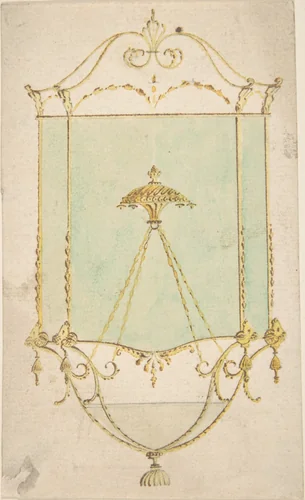
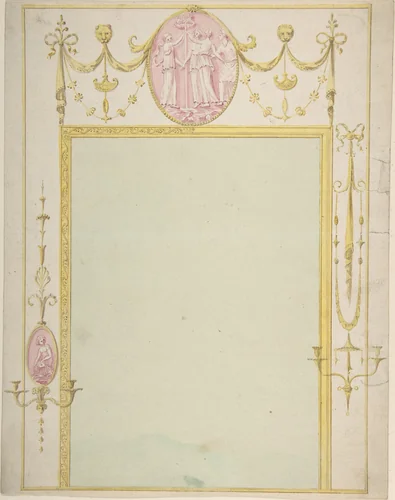
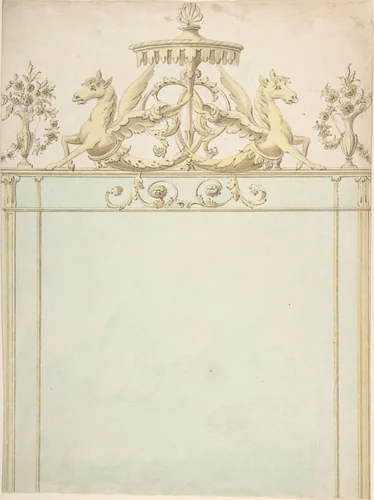
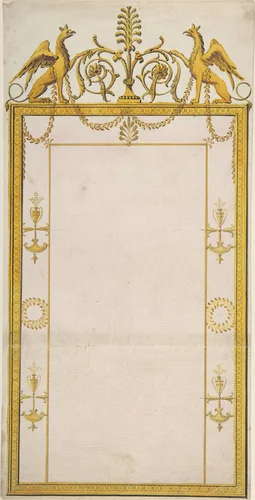
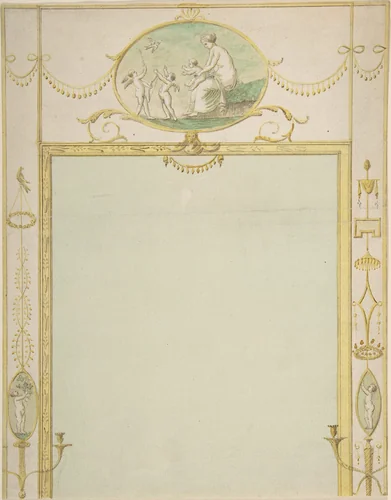
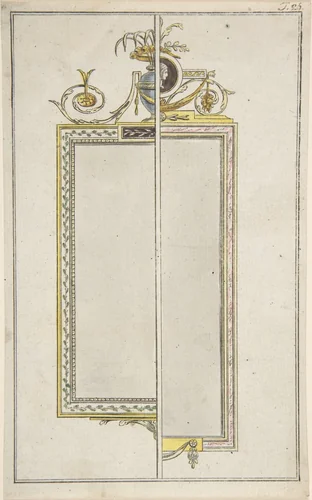
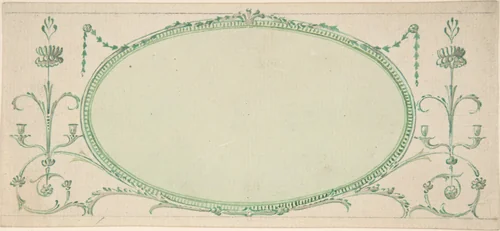
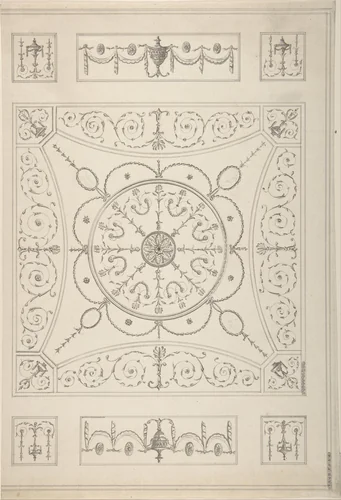
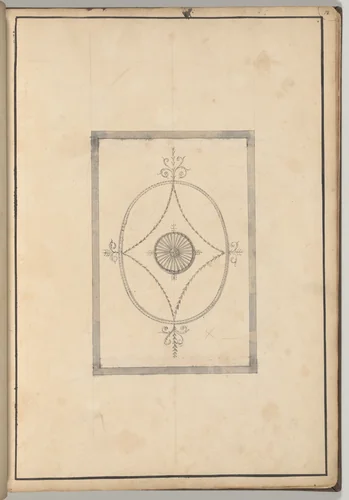
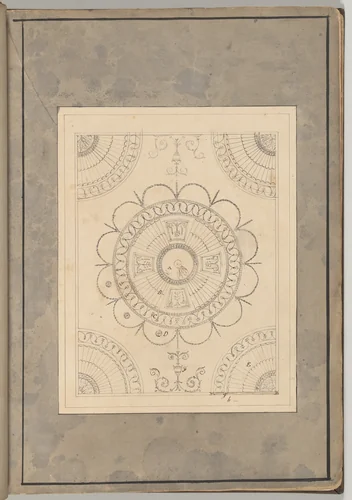
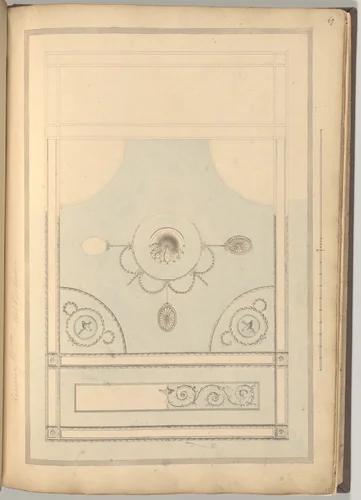
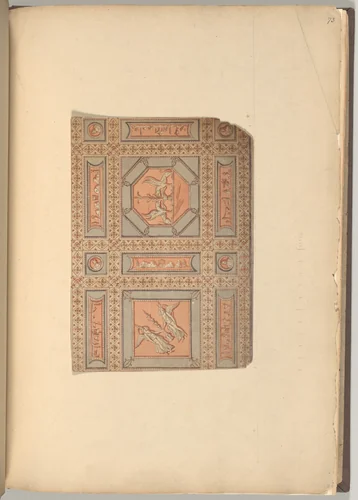
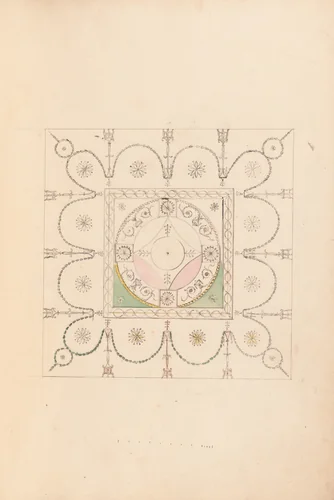
While Wyatt’s executed buildings defined the English skyline, his enduring influence is often best appreciated in his meticulous interior schemes, characterized by an acute understanding of ornamentation and light. The extant preparatory drawings, such as the Design for Ceiling of Ladies' Dressing Room at the Pantheon, Oxford Street, London and the refined Design for a Dining-room Ceiling at Kelmarsh Hall, Northamptonshire, reveal a draftsman of exceptional clarity and control. These works illustrate his mastery of delicate stucco work, utilizing refined motifs like paterae, swags, and classical vignettes that were the height of fashionable design during the period. The precise detail present in objects like the Design for a Hall Lantern, Elevation underscores his commitment to total interior environments, ensuring every element contributed to the overall harmony of the room. If Adam excelled in high drama, Wyatt offered effortless elegance.
Wyatt’s professional standing was formally recognized in 1785 when he was elected to the Royal Academy of Arts. He later served as its president from 1805 to 1806, cementing his position at the apex of the English art establishment. Today, these seminal architectural studies, comprising fourteen drawings and one bound book, are preserved in institutional collections like the Metropolitan Museum of Art. Their availability means that admirers can study high-quality prints and downloadable artwork derived from these primary sources, ensuring his detailed 18th-century vision remains accessible to contemporary scholars and designers seeking insight into the origins of classical design principles.
Source: Wikipedia · CC BY-SA 4.0