James Tassie
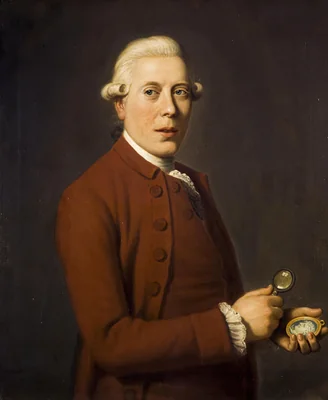
James Tassie was central to the late 18th-century revival of classicism and the democratization of portraiture. A master Scottish gem engraver and modeller, Tassie (1735–1799) established a significant reputation not only for originality but for the technical refinement of his reproductions. His active period, primarily between 1776 and 1796, cemented his status among the elite patrons of Britain, earning him major commissions and international renown.
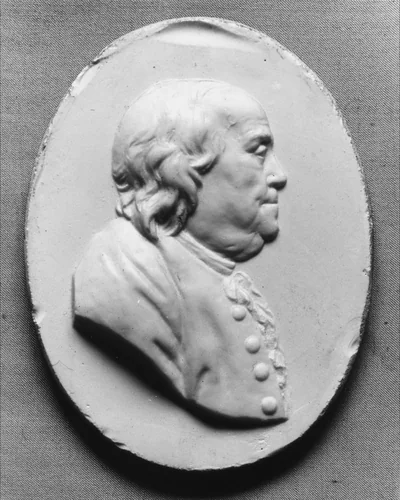
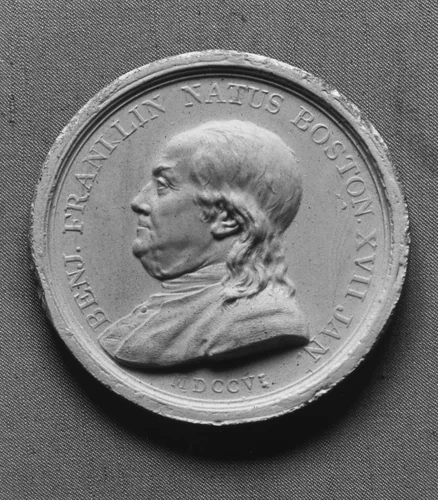
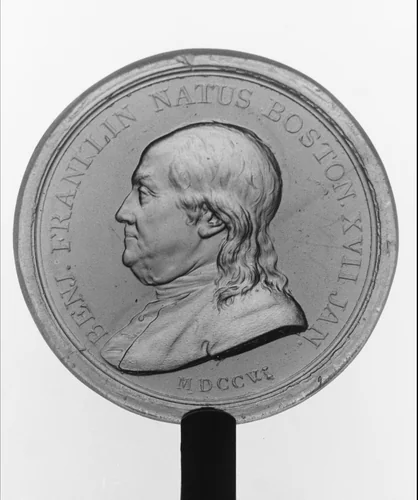
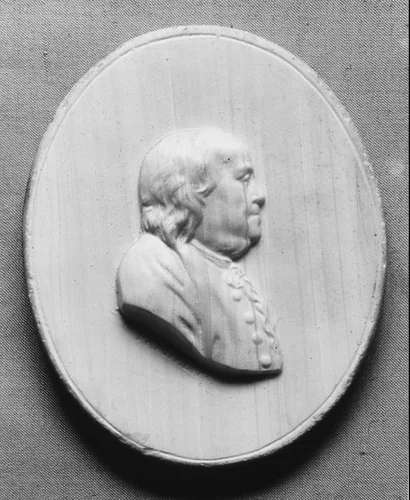
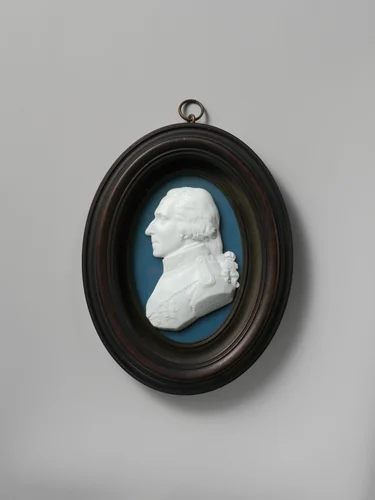
Tassie specialized in miniature profile portraits rendered as medallions. These works, often executed in opaque white glass or vitreous paste, captured the likenesses of Britain's most prominent figures. These durable, intimate records provided a compelling alternative to traditional painted miniatures and secured Tassie’s role as the definitive portraitist of the age’s intellectual and social hierarchy.
His most profound historical impact, however, lay in his commercial enterprise focused on the "Tassie casts." Recognizing the growing demand among collectors for tangible connections to classical antiquity, Tassie utilized specialized materials, including a refined white glass paste, to create accurate reproductions of hundreds of ancient and modern intaglios and cameos. This undertaking was revolutionary, ensuring that museum-quality replicas of rare artifacts were accessible to a broad collecting public who could not afford the originals. His meticulous process and comprehensive cataloging of these pieces cemented their lasting value as historical and artistic records.
Tassie’s technique transformed the profile portrait, an inherently severe form, into a vehicle for subtle characterization. While he is often categorized by his role as a brilliant reproducer, Tassie himself possessed a keen eye for capturing understated personality in his subjects. His enduring legacy ensures that his works, prized for their precision and artistic quality, remain highly sought after. They can be found in major institutions such as the Metropolitan Museum of Art, and increasingly, high-quality prints and photographic records of his collections are available in the public domain.
Source: Wikipedia · CC BY-SA 4.0