James Sharples
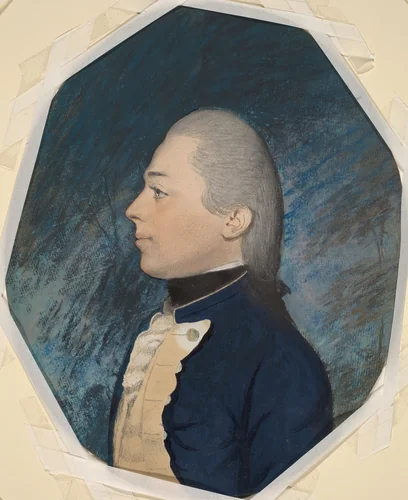
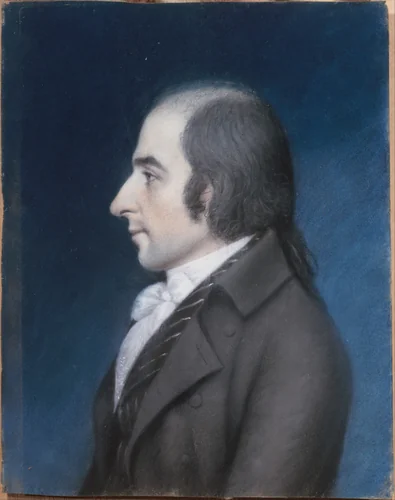
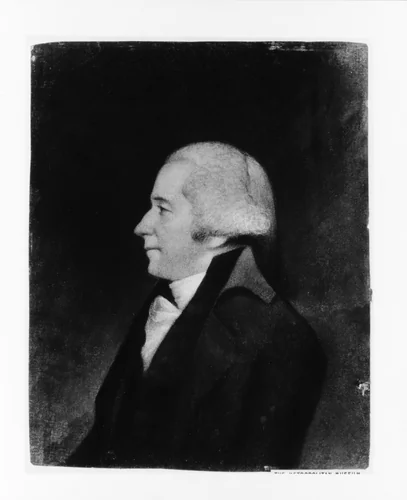
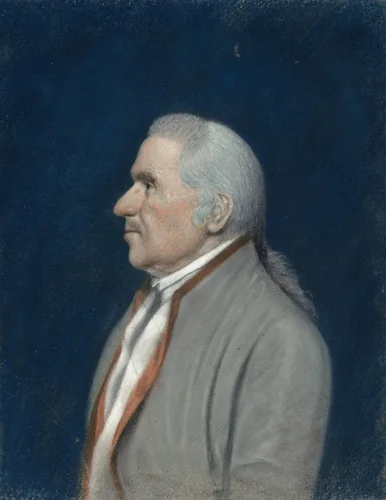
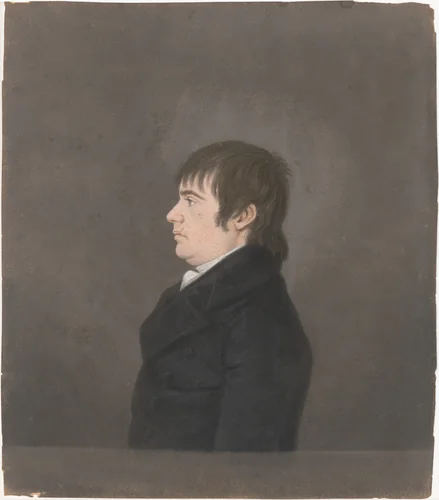
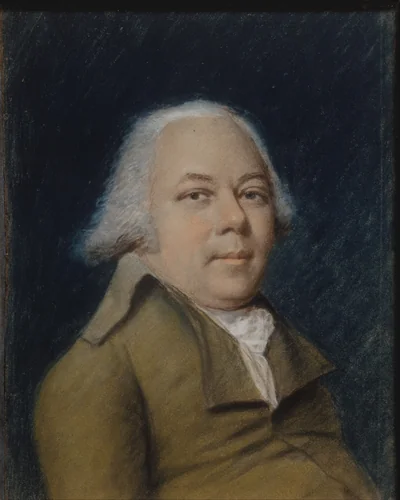
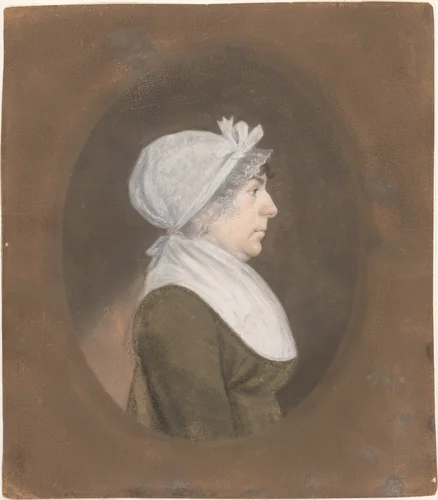
James Sharples (1751/52–1811) was an accomplished English portrait painter and pastelist whose career remains inextricably linked to the visual documentation of the American Federal period. Active until 1809, Sharples specialized in small-scale, detailed likenesses, utilizing the quick and intimate medium of pastel to capture the leading intellectual and political figures of the early republic.
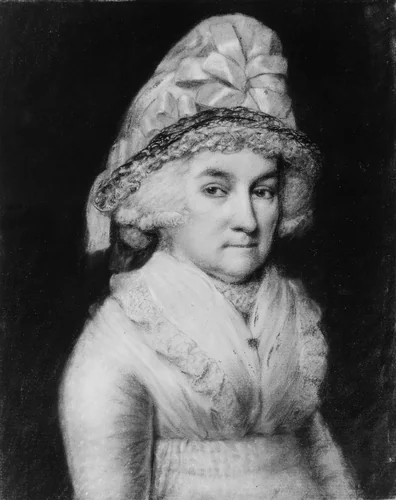
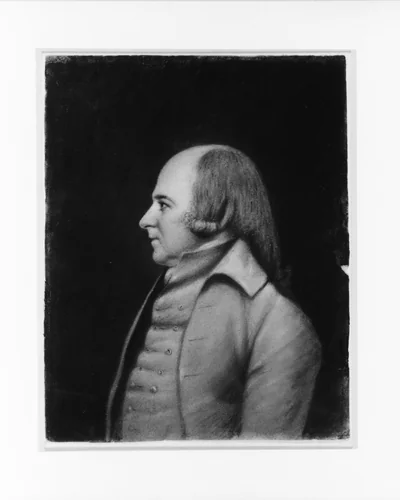
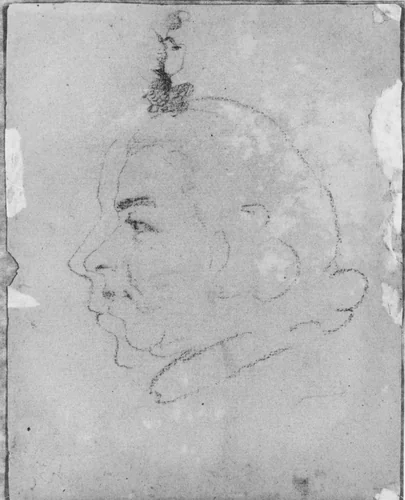
Sharples’s method was characterized by a refined clarity, yielding portraits known for their striking realism and subtle coloration, differentiating them from the more formal or theatrical oils of the era. His work offered an efficient and effective means of recording subjects, ensuring that many influential individuals were documented for posterity. Among his most recognized sitters are key foundational figures such as John Adams, the second U.S. President, and his politically engaged wife, Abigail Smith Adams. The detailed nature of his preparatory work is evident in drawings such as Two Profiles, Possibly of John Adams, which reveal his dedication to capturing accurate character and form.
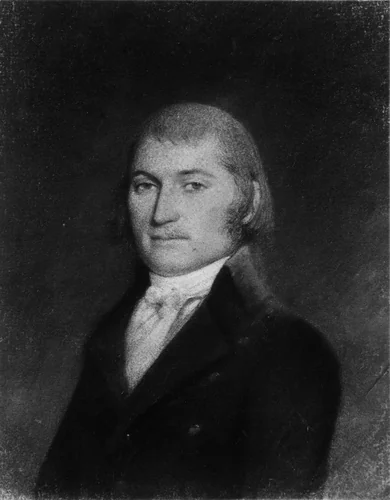
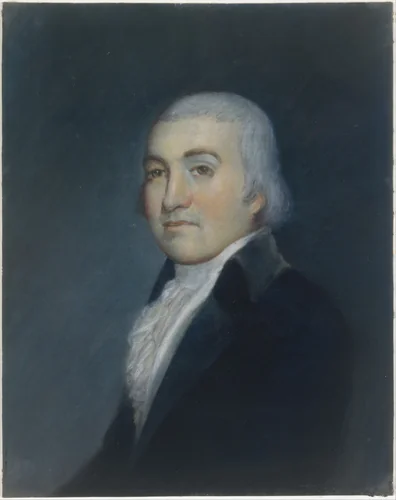
The enduring historical significance of Sharples’s output has ensured his permanent place in prestigious institutions, including the Metropolitan Museum of Art and the National Gallery of Art. While his name is sometimes confused with the several other notable figures who bore the same name in later centuries (including a nineteenth-century blacksmith and a twentieth-century cricketer), the portraitist’s reputation rests securely on his focused artistic achievements. His portraits of figures like Noah Webster and Josiah Ingersoll, Master-Warden of the Port of New York, are treated not just as aesthetic objects, but as essential museum-quality historical records.
Sharples’s skillful employment of pastel facilitated the creation of numerous high-quality prints suitable for wide reproduction. Today, the clarity and accessibility of his original portrait drawings means many of his works are now in the public domain, providing researchers and the public with easily downloadable artwork that preserves the visual identity of a foundational American generation. His dedication to accuracy cemented his role not merely as an artist, but as a critical visual chronicler of an emergent political class.
Source: Wikipedia · CC BY-SA 4.0