James Pollard
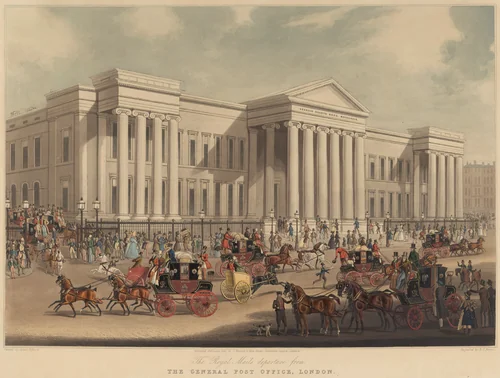
James Pollard (1792–1867) holds a significant position within the British sporting genre, distinguished as one of the pre-eminent chroniclers of road and equestrian life during the early 19th century. Active primarily between 1817 and 1839, Pollard’s output captured the vitality of a rapidly industrializing nation, focusing keenly on the mechanics of speed and the social culture surrounding traditional sports. He is best known for his highly detailed depictions of mail coach travel, fox hunting, and various equine scenes, subjects that placed him squarely within the era’s taste for dynamic, narrative art.
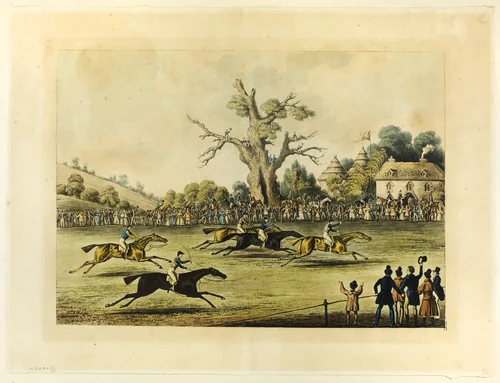
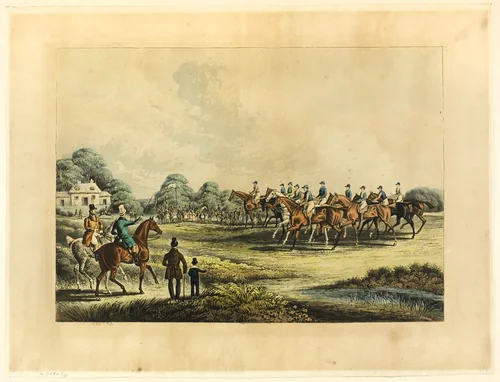
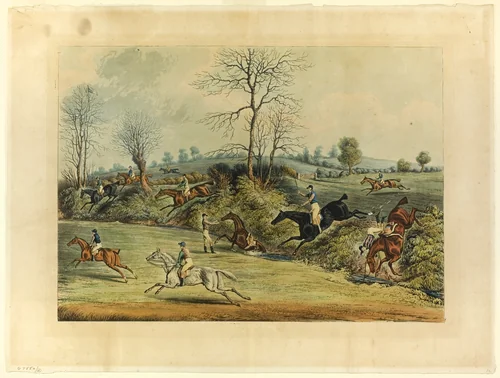
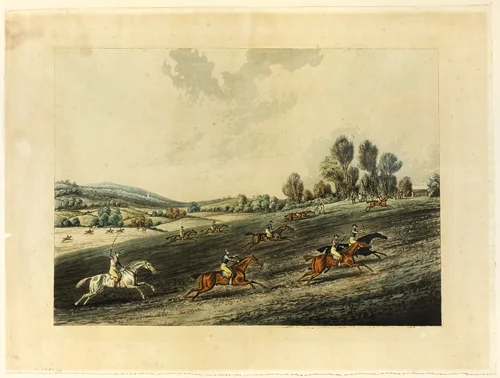
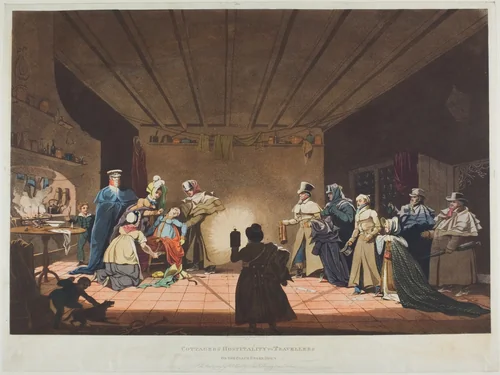
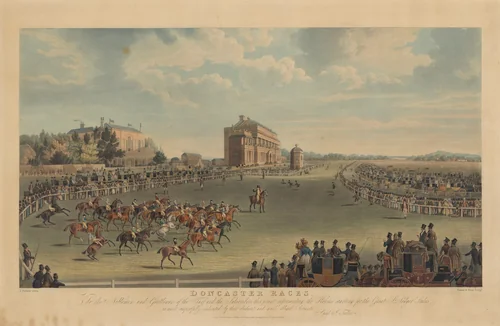
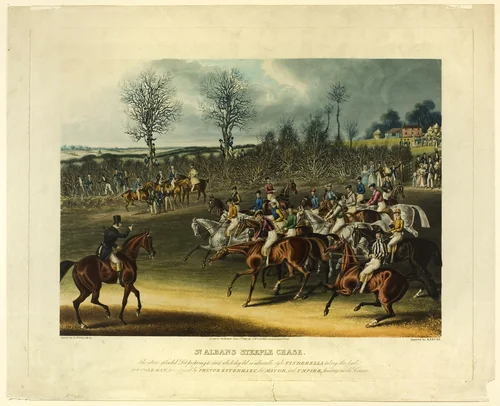
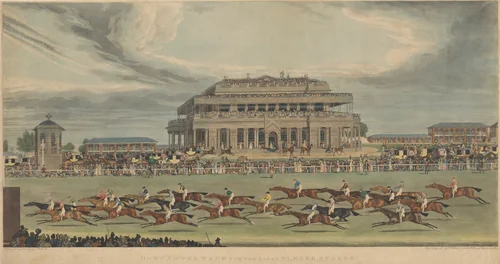
Pollard's mastery lay in his ability to translate the raw excitement of movement onto the canvas, utilizing crisp lines and clear compositional structure to manage often chaotic scenes. His paintings serve less as idealized pastoral views and more as factual records of early 19th-century technology and topography. The coaching scenes, in particular, document the engineering and danger inherent in maintaining rapid communication across Britain before the widespread advent of rail. His works, such as the widely celebrated four-part series documenting the Saint Albans Grand Steeple Chase, were immensely popular, speaking to the public’s fascination with competitive spectacle.
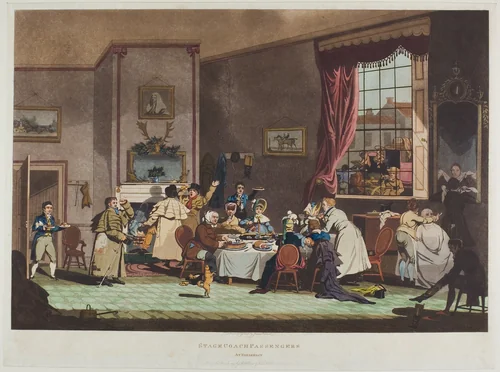
While Pollard executed original James Pollard paintings, his enduring influence derived largely from the commercial success of the aquatints and engravings based on his designs. These high-quality prints effectively democratized the sporting genre, bringing detailed images of speed and drama to a broad audience. His focus on recognizable subjects, from the precise harnessing of horses to the distinct livery of the coaches in works like Stage Coach Passengers, made his images immediately accessible and historically invaluable.
Today, Pollard’s work is held in major international collections, including the National Gallery of Art and the Art Institute of Chicago, confirming his historical weight as a documentarian as much as a painter. Pollard offered viewers a glimpse of thrilling, often chaotic, speed, perhaps unknowingly chronicling the final, glorious phase of road travel before its inevitable surrender to steam power. His commitment to precision means that much of his original documentation is now recognized as royalty-free and available in the public domain, offering historians and enthusiasts alike access to this crucial visual record.
Source: Wikipedia · CC BY-SA 4.0