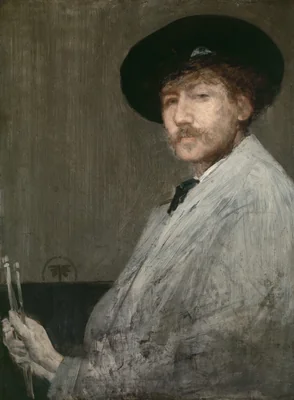
James McNeill Whistler
James Abbott McNeill Whistler (1834-1903) stands as one of the most significant American artists operating within the expatriate circles of 19th-century Europe. Active primarily during the American Gilded Age and based chiefly in the United Kingdom, Whistler was a formidable painter in oils and watercolor, but perhaps most importantly, a revolutionary printmaker. He fundamentally altered the prevailing Victorian aesthetic by staunchly rejecting narrative moralizing and overwrought sentimentality in art.
Whistler became a leading, often pugnacious, proponent of aestheticism, crystallizing his philosophy into the enduring credo: "art for art's sake." This stance asserted that a work’s intrinsic beauty, formal qualities, and harmonious arrangement were its sole justification. This commitment drove him to create works of quiet, sophisticated observation, often titled as Harmonies, Arrangements, or Nocturnes, demonstrating a keen sensitivity influenced by Japanese artistic sensibilities and principles.
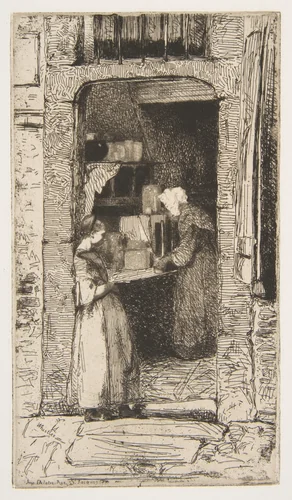
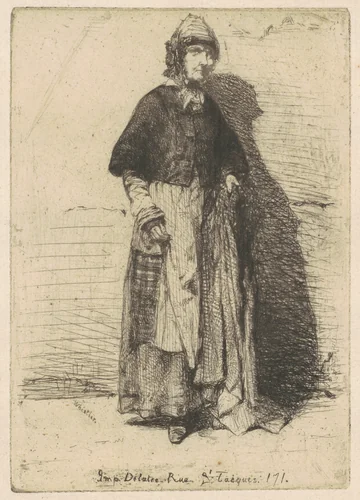
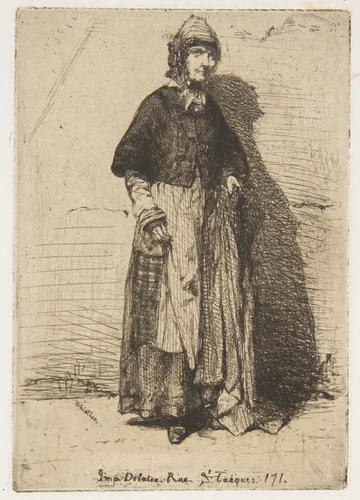
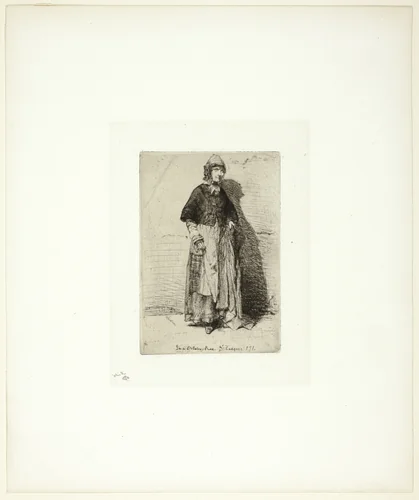
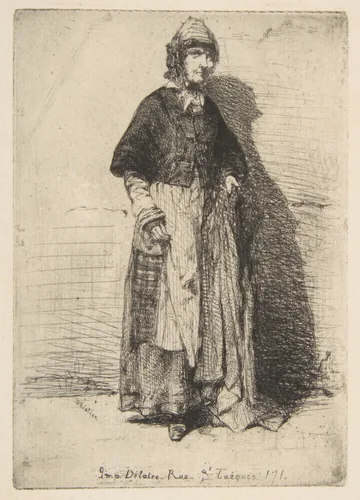
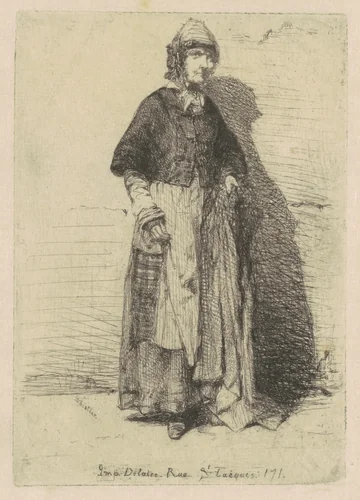
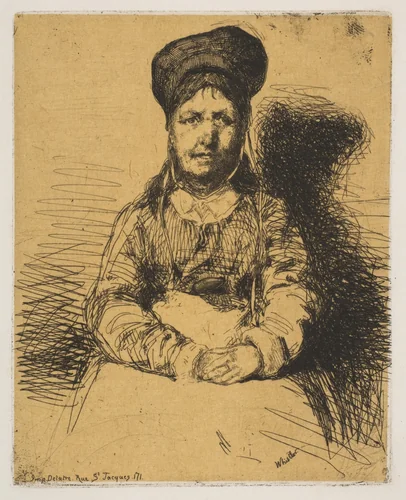
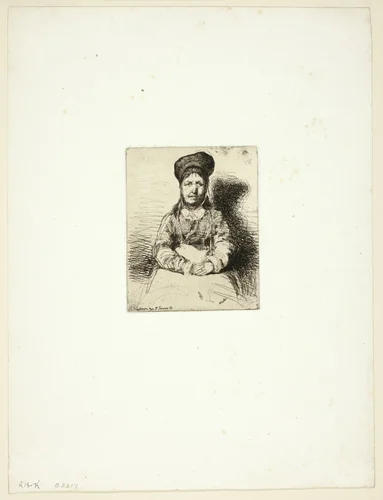
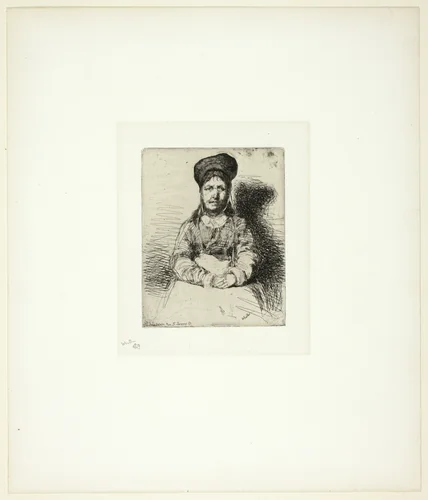
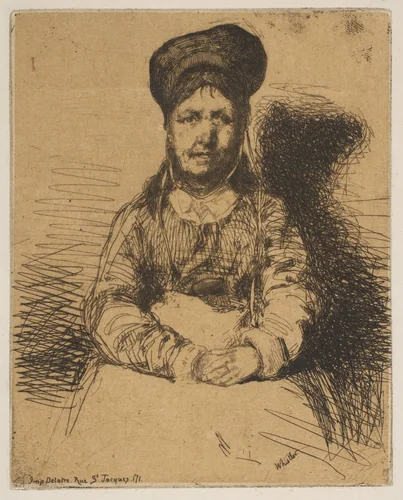
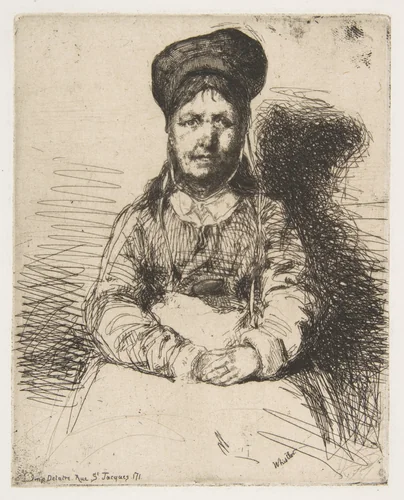
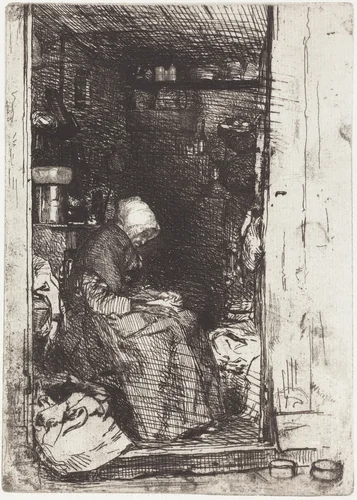
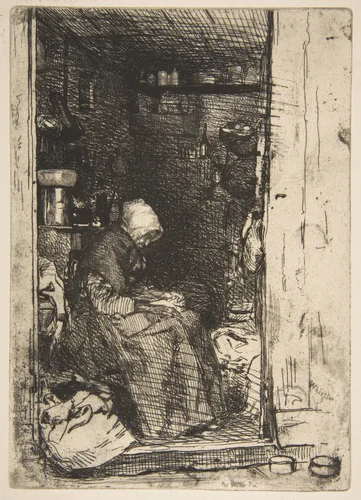
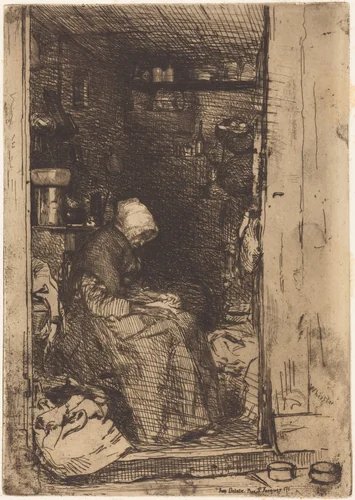
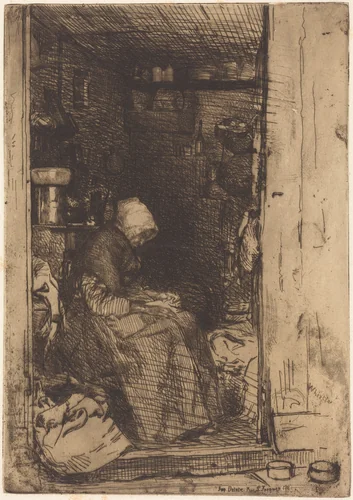
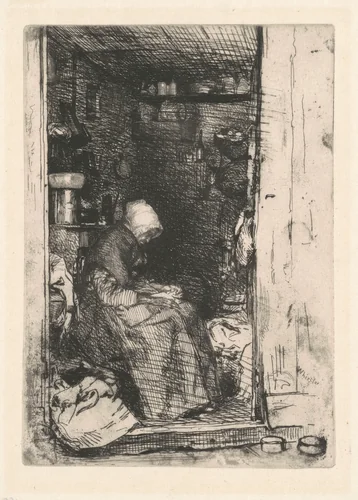
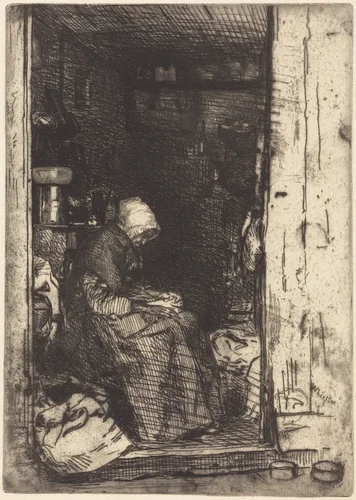
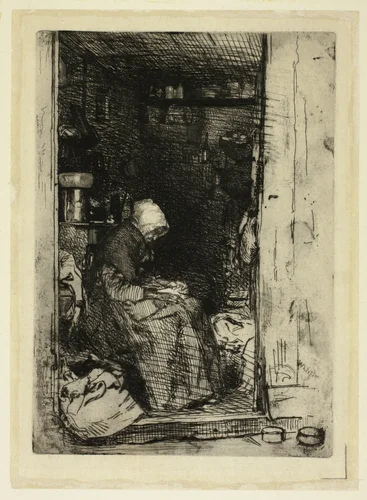
His achievements in etching and lithography were technically profound. Whistler approached the copper plate with unique spontaneity, capturing the transient immediacy of Parisian, Venetian, or London street life, exemplified by early detailed works such as A Sketch at Dieppe or A Sketch of the Embankment. His command of line and shadow set a new standard for graphic artistry. This commitment to visual purity extended even to his signature: he often utilized a stylized, often whimsical butterfly motif, known simply as the Butterfly Monogram, which perfectly encapsulated his belief that the artist’s persona should be as refined and self-contained as the work itself. This elegant device frequently replaced his full name on both canvases and high-quality prints.
Whistler’s deliberate focus on aesthetic surface over didactic content was seminal, laying critical groundwork for modern abstract movements. His dedication to graphic precision ensures that his complete body of work, spanning iconic oil paintings to delicate studies like Cameo, No.I, remains highly influential. Today, major institutional collections, including the Metropolitan Museum of Art and the National Gallery of Art, safeguard his key artistic contributions. Due to their age, many of his finest James McNeill Whistler prints are now in the public domain, allowing institutions and enthusiasts globally to access museum-quality reproductions of his groundbreaking artistry.
Source: Wikipedia · CC BY-SA 4.0