James Malton
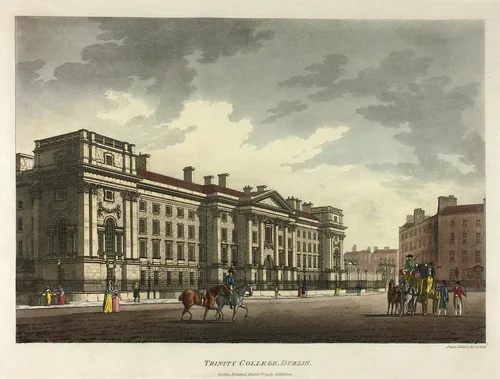
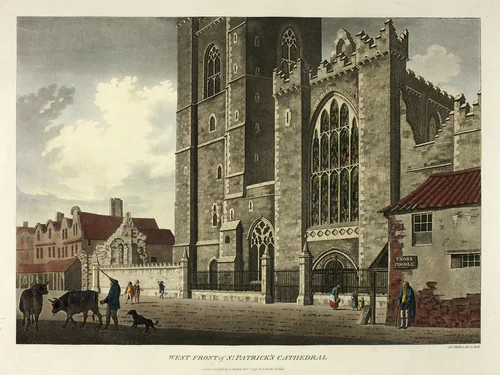
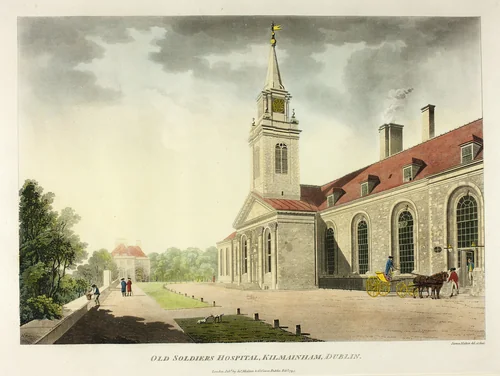
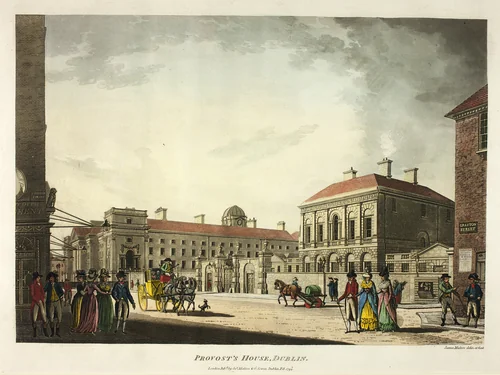
James Malton (1761–1803) stands as the essential visual chronicler of Georgian Dublin at the height of its architectural splendor. Primarily known as an Irish engraver and watercolourist, Malton possessed a strong technical foundation, having received training in geometry and perspective. His early professional life included a brief, formative period as a draughtsman in the celebrated office of architect James Gandon, a position that instilled the precision and classical sense of proportion evident in his later graphic work.
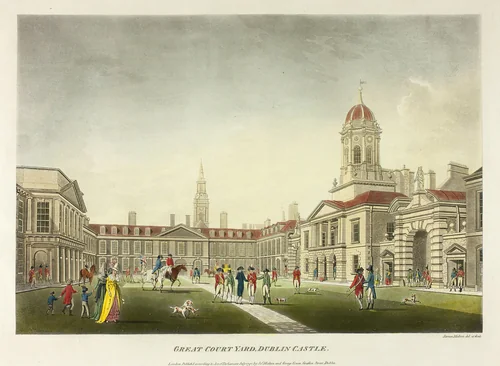
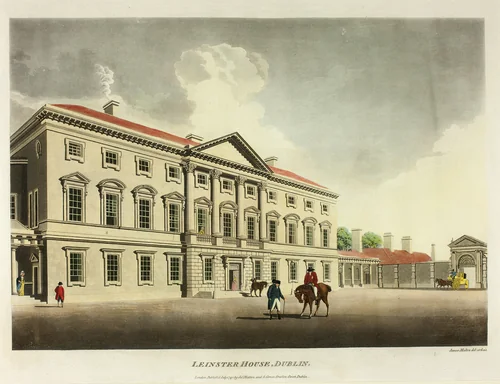
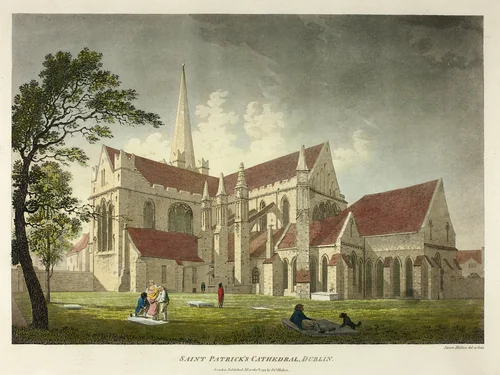
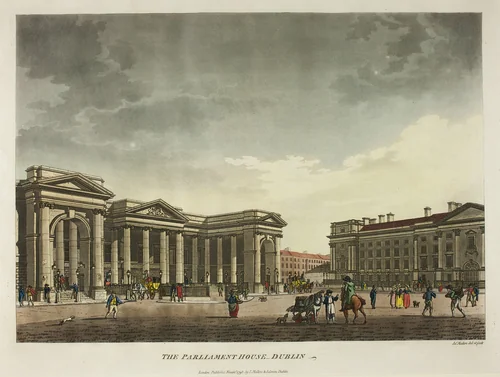
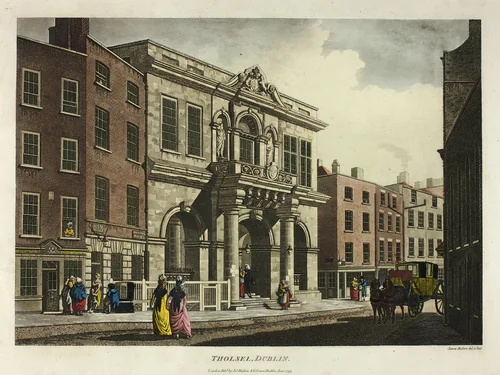
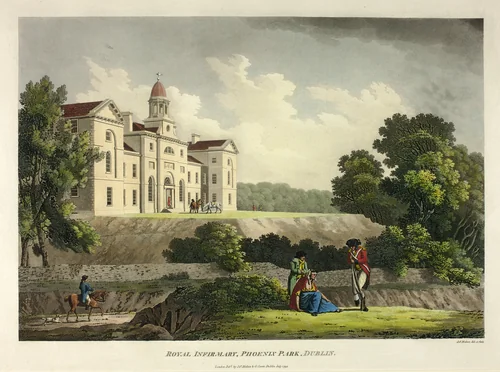
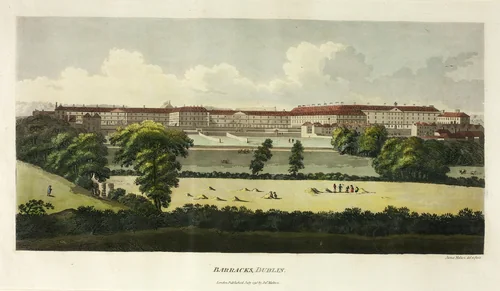
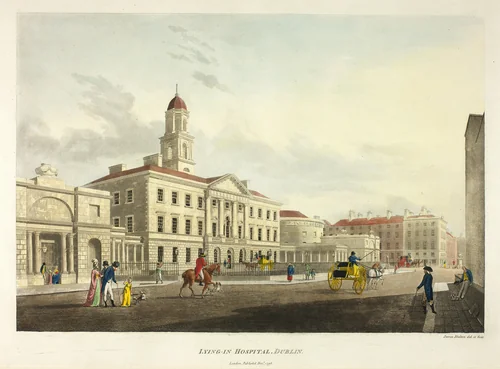
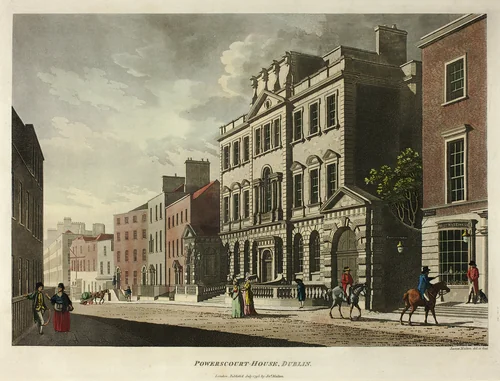
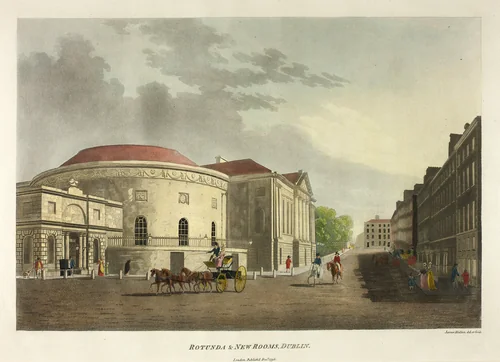
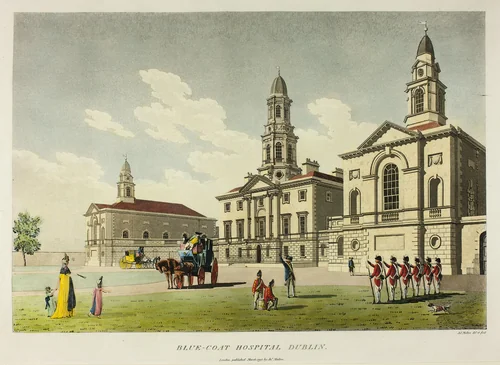
Malton’s renown rests almost entirely on his landmark publication, A Picturesque and Descriptive View of the City of Dublin. This ambitious project, executed through the 1790s, comprised a series of fourteen meticulously rendered views depicting major civic structures, streets, and squares, including the Great Courtyard, Dublin Castle and the elegant classical facade of Leinster House, Dublin. These compositions are crucial historical documents, often depicting the buildings before later modifications or losses. It is perhaps wryly amusing, given the monumental architectural scale he documented, that his specialized career began not with grand building plans, but with the precise mathematics required to project them accurately onto a two-dimensional surface. The enduring accuracy and beauty of these illustrations mean that James Malton prints remain highly sought after by collectors and historians.
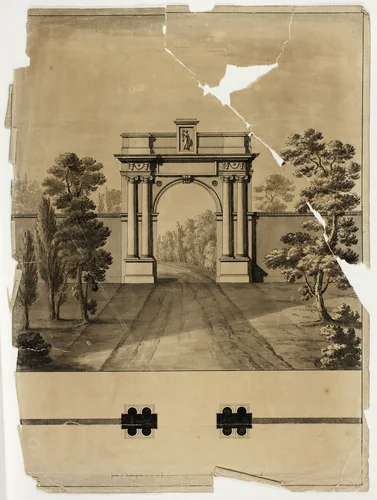
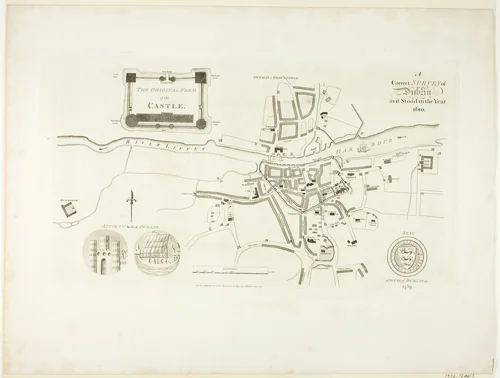
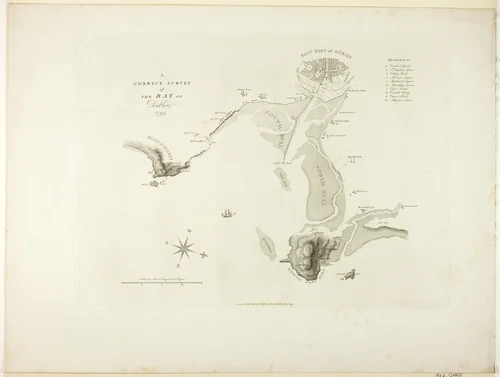
Malton’s portfolio extended beyond contemporary architectural scenes to include historical studies, such as the detailed map, Correct Survey of Dublin, As It Stood in the Year 1610, alongside less conventional subjects like the imposing Monumental Entrance to Cemetery. The careful attention to detail and composition in his output demonstrates a dedication to producing museum-quality records of the capital city. Although his active period was relatively brief, spanning roughly 1780 to 1795, his legacy is robust. Because much of his graphic work is now in the public domain, students and enthusiasts worldwide can access high-quality prints and downloadable artwork derived from his original engravings. His work is permanently held in significant collections, including the Art Institute of Chicago, securing his status as a key figure in 18th-century Irish topographical art.
Source: Wikipedia · CC BY-SA 4.0