James M. Lawson
James M. Lawson holds a significant position within the documentation efforts of the mid-twentieth century, recognized primarily for his fastidious contributions to the Index of American Design (IAD). Active during the years 1935 and 1936, Lawson was among the cadre of artists employed under the Federal Art Project, tasked with creating a meticulous, graphic survey of American decorative and folk arts dating from the colonial era through 1900. This project, undertaken during the height of the Great Depression, represented a necessary act of preservation, ensuring that detailed renderings of often ephemeral domestic artifacts survived for posterity.
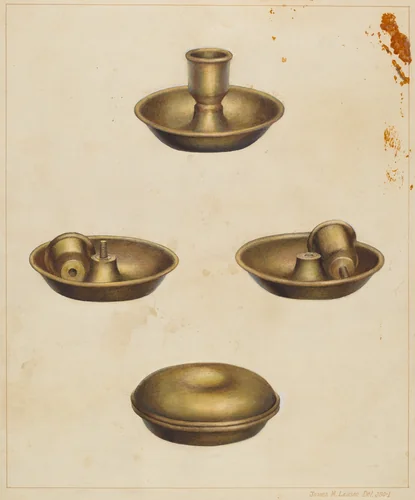
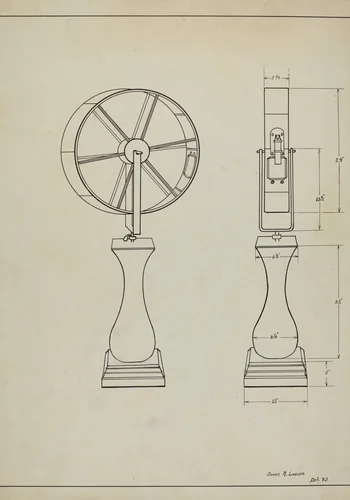
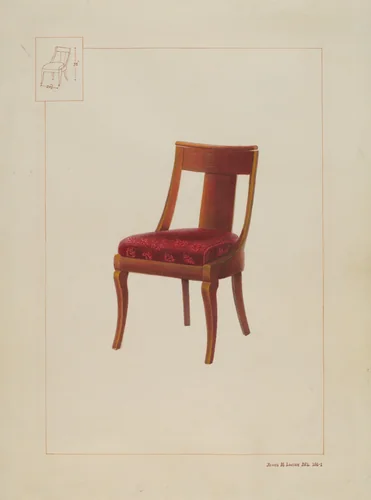
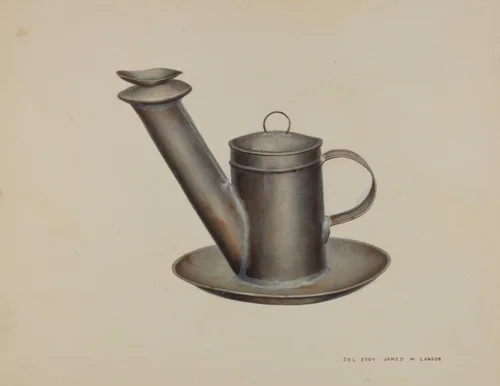
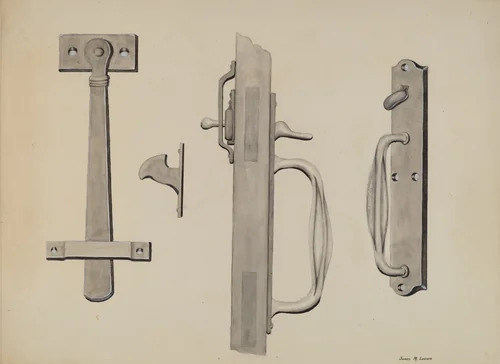
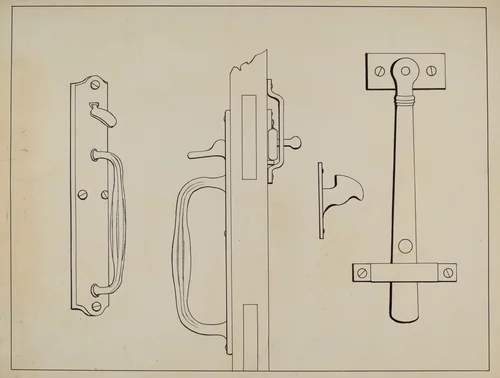
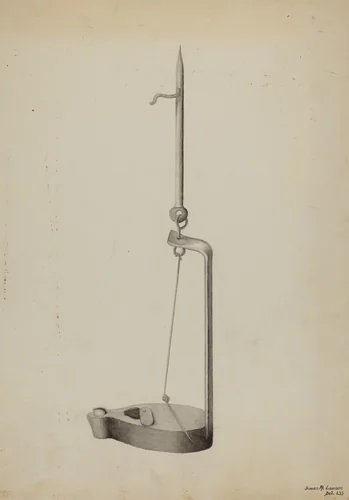
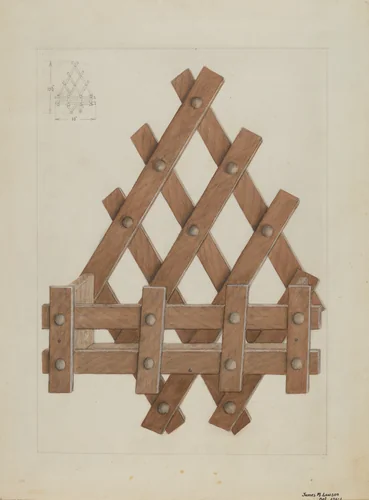
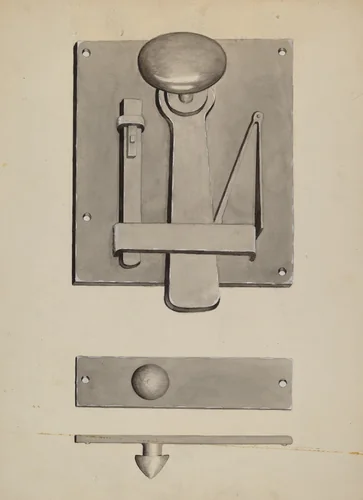
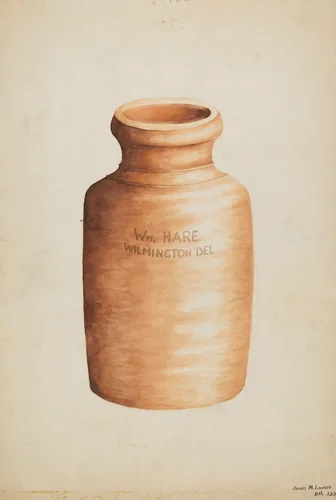
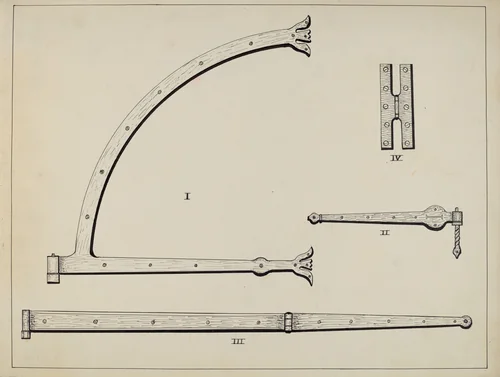
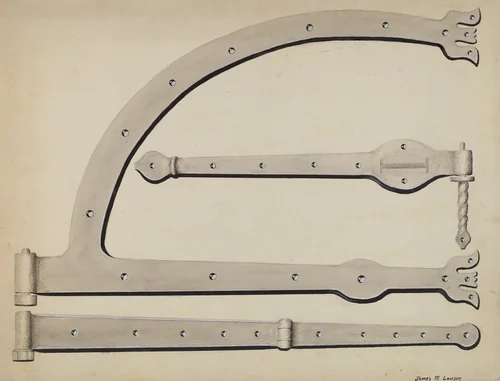
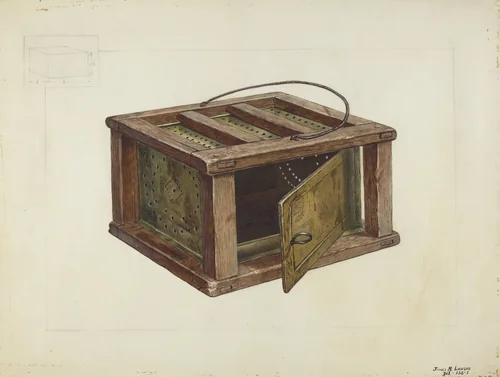
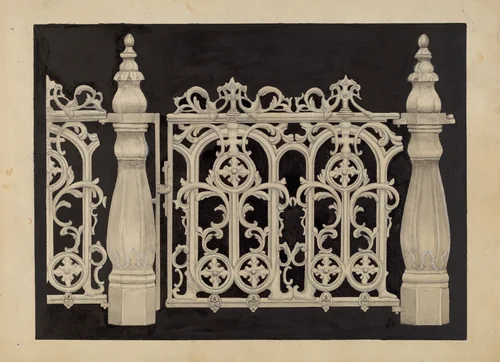
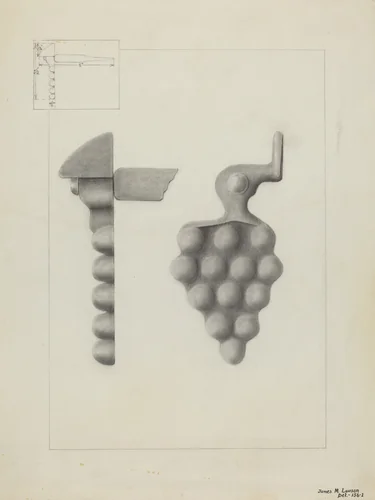
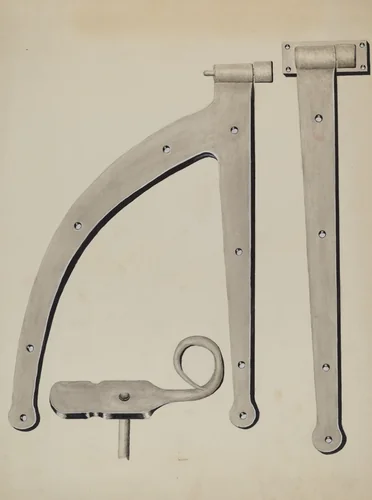
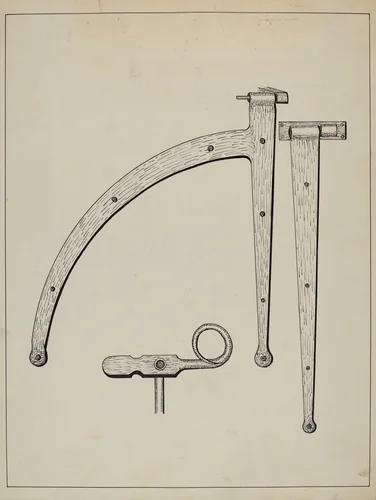
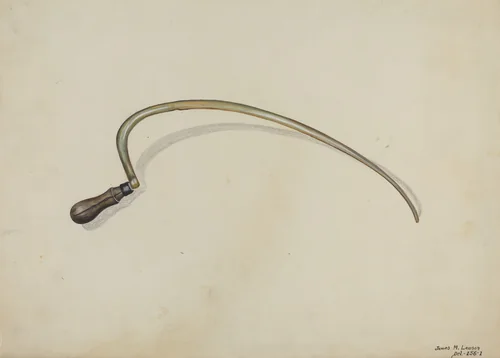
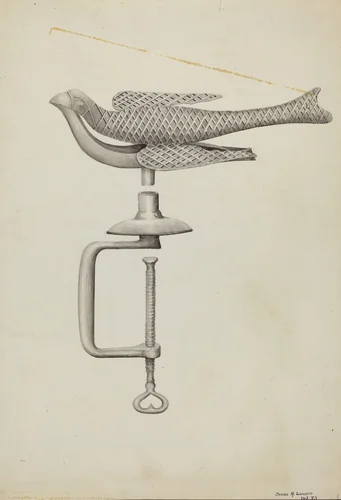
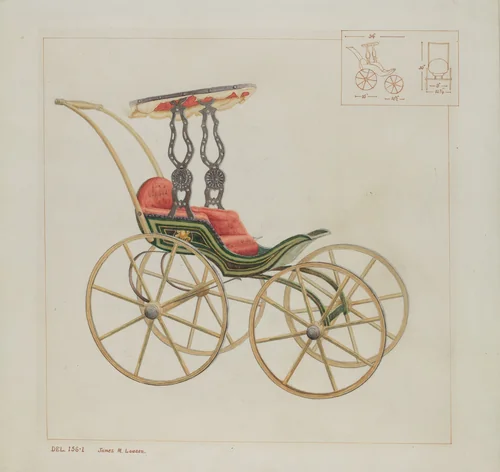
Lawson’s portfolio consists of fifteen identified designs, each executed with the precise drafting required for archival registration. His selection of subjects highlights the functional ingenuity and material culture of early America, transforming everyday objects into subjects of objective study. These works include detailed, often cross-sectioned studies of items such as the functional mechanics of a Lottery Wheel, the polished utility of a Mahogany chair, and the distinct craftsmanship of a Whale Oil Lamp. By cataloging everything from significant furniture pieces to modest items like an Attic Door Latch or a simple Candlestick, Lawson documented the evolving design principles foundational to the national aesthetic.
The documentation produced by Lawson and his contemporaries became critical for scholars and manufacturers seeking to understand historical precedent in American design. Today, the entirety of the IAD archive, including the work of James M. Lawson, is housed in the collection of the National Gallery of Art, Washington D.C., confirming its status as museum-quality historical documentation. These precise drawings are widely accessible, often found as high-quality prints used for educational reference.
It is perhaps a curious detail, given the artistic precision required by the Index, that James Morris Lawson also maintained a life in public service. Lawson was concurrently an American politician who served in the Virginia House of Delegates, suggesting an unusual duality between the structured, technical work of archival illustration and the mutable environment of state politics. The historical importance of his Index work ensures that James M. Lawson prints and drawings remain a pivotal resource for studying early American craftsmanship, now widely available for download and research due to their status in the public domain.
Source: Wikipedia · CC BY-SA 4.0