James Leon Williams
James Leon Williams (1852-1932) occupies a distinct and important position in late nineteenth-century visual culture, a significance evidenced by the inclusion of his limited yet potent body of work in major American institutions, including the Museum of Modern Art, the Art Institute of Chicago, and the National Gallery of Art. Though his photographic activity was concentrated within a remarkably brief four-year window, spanning 1891 to 1894, his output exemplifies a precise technical mastery applied to romantic, narrative subject matter characteristic of the period.
It is a peculiar but fascinating historical footnote that the artist responsible for evocative, museum-quality photographs was primarily known in his time as an accomplished medical professional. Williams was an American prosthodontist and a pioneer dental histologist, famously credited with discovering the significance of dental plaque. This rigorous background in microscopic detail and analysis likely influenced the formal precision and exacting composition evident in his visual pursuits.
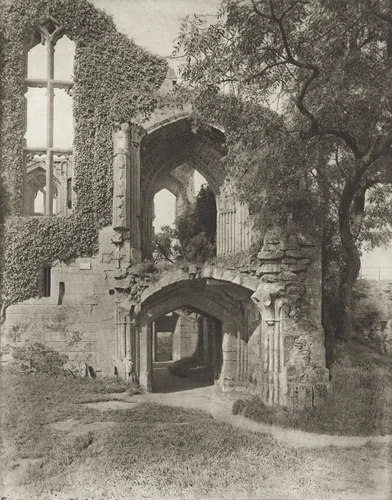
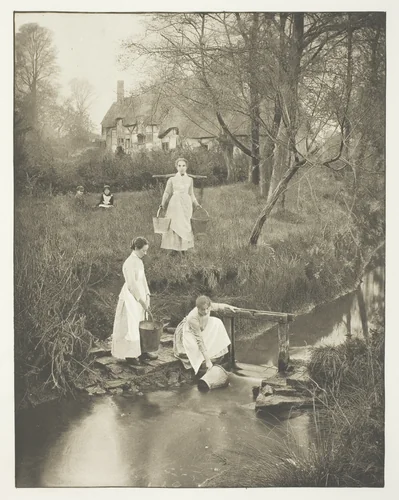
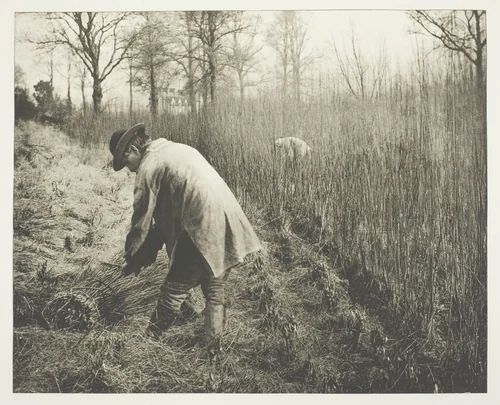
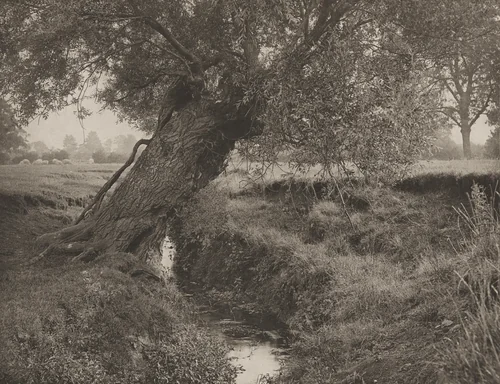
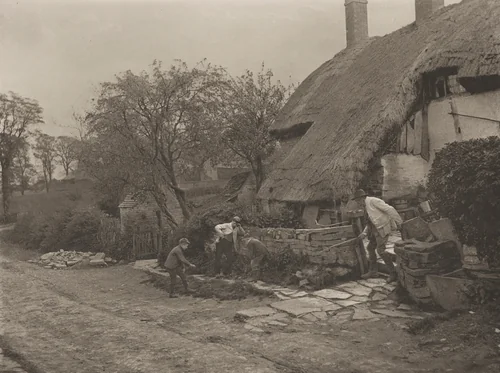
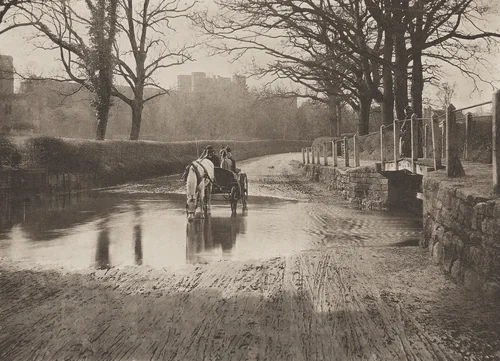
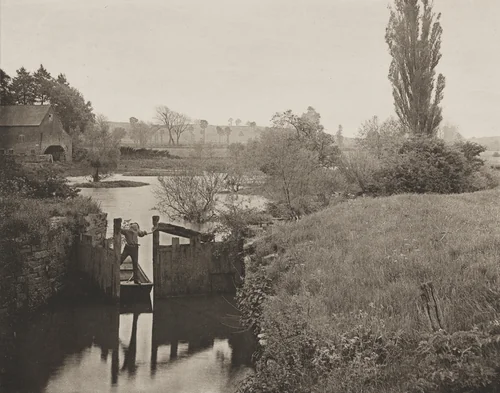
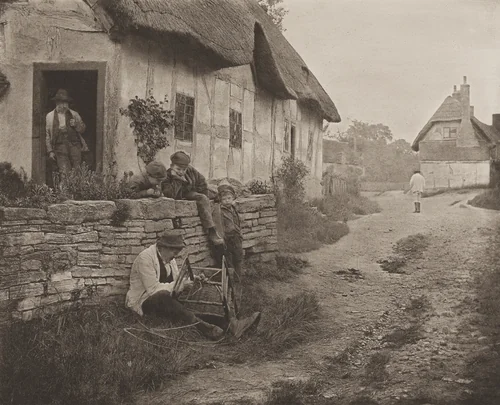
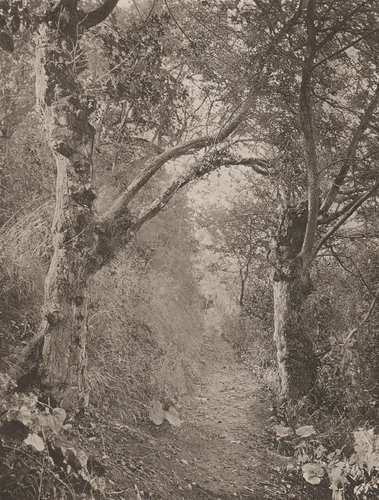
Williams’s core artistic contribution is centralized around the seven known photographs and the single associated print produced during his active period. Much of this work was compiled for his 1892 volume, The Home and Haunts of Shakespeare, a pivotal example of literary pilgrimage intersecting with developing photographic printing technologies. Works such as Entrance to the Banquet Hall display an attention to staged interior spaces, while At Shottery Brook and A Willow Grows Aslant The Brook capture the elegiac interpretation of the natural world favored by late-Victorian image makers. His known oeuvre also includes the narrative-driven image, Crabbed Age and Youth.
Williams's ability to elevate seemingly simple documentary images into sophisticated artistic studies ensured his lasting institutional recognition. His photographs demonstrate a keen sense of atmosphere and form, making them historically valuable artifacts of early photographic book production. Today, those seeking James Leon Williams prints benefit from modern digitization efforts; many of his works are now available in the public domain, providing contemporary viewers with royalty-free access to this distinctive period of high-quality prints.
Source: Wikipedia · CC BY-SA 4.0