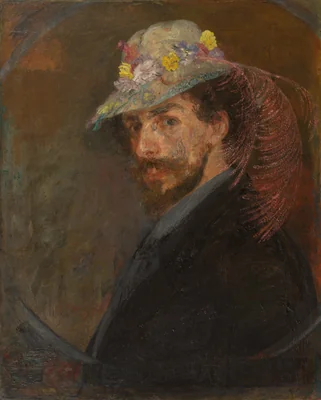
James Ensor
James Ensor (1860-1949) was a pioneering Belgian artist whose deeply psychological and often grotesque visual language established him as a pivotal precursor to twentieth-century modernism. Living predominantly in the coastal town of Ostend, Ensor transformed the prevailing artistic traditions of his era, directly influencing the development of both Expressionism and Surrealism.
Between 1885 and 1888, Ensor generated a concentrated body of output cataloged here as 12 prints and three paintings. This period solidified his essential aesthetic, combining biting social satire with luminous, often agitated compositions. He was a central member of the influential Brussels collective Les XX (The Twenty), an avant-garde association dedicated to promoting radical new approaches to form and subject matter.
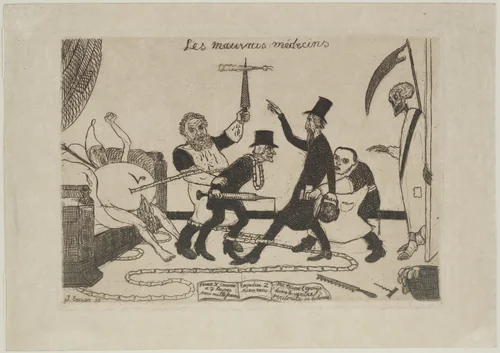
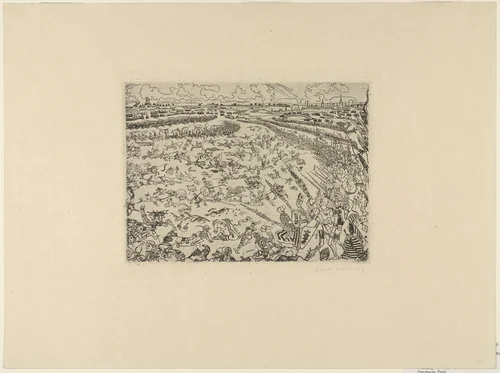
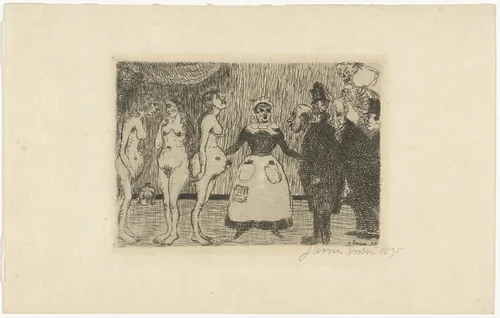
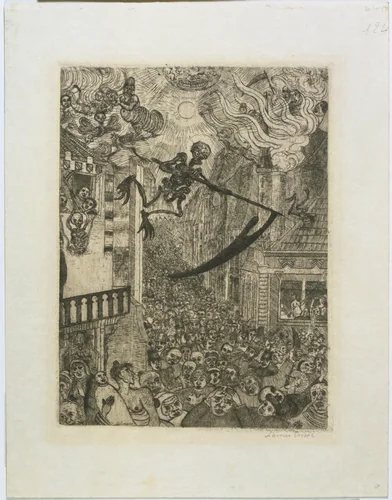
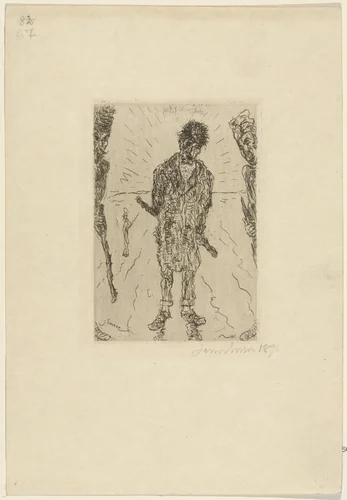
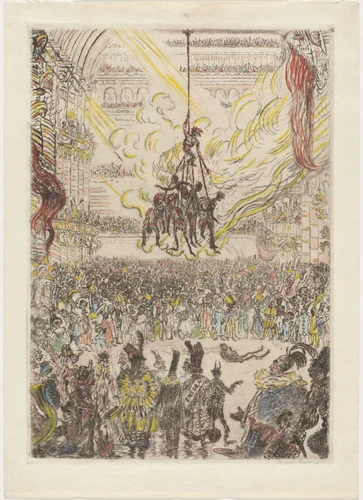
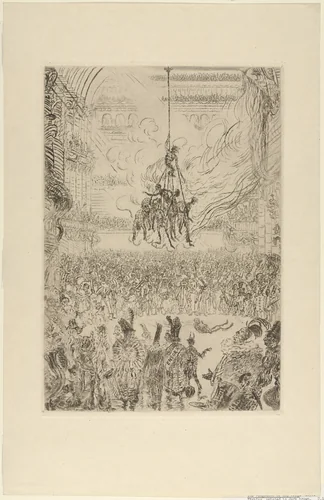
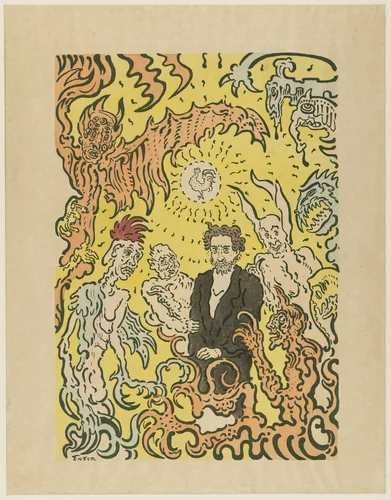
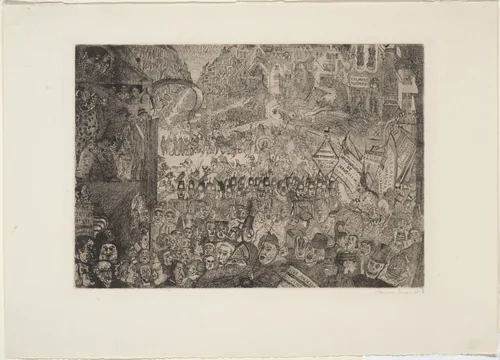
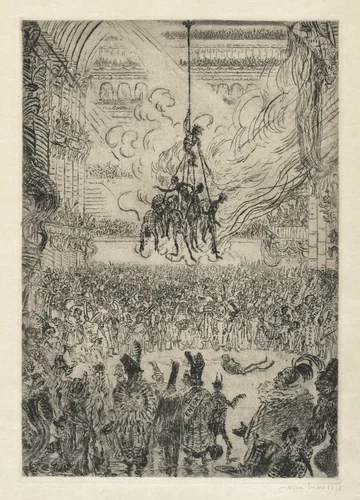
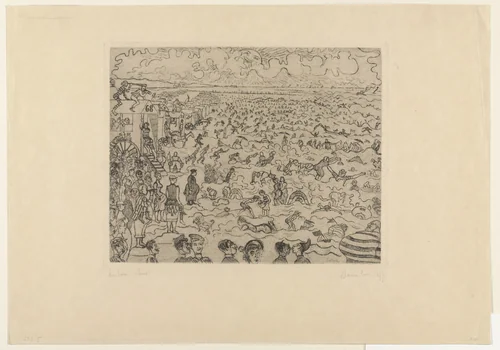
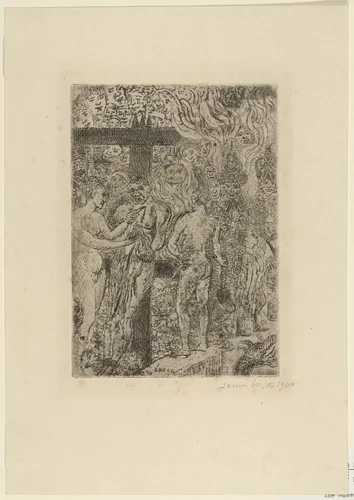
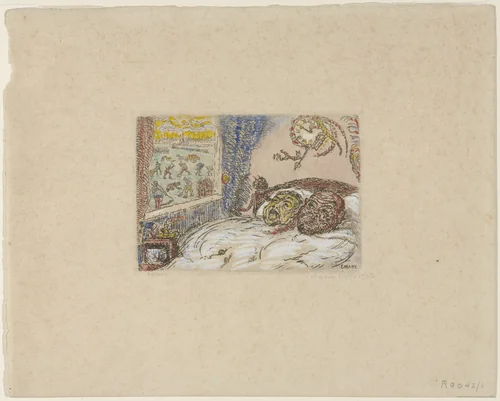
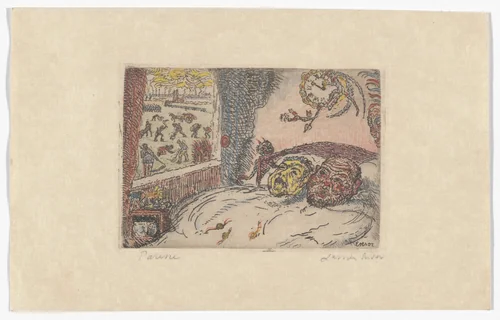
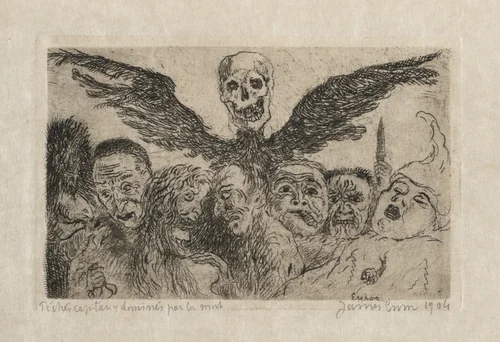
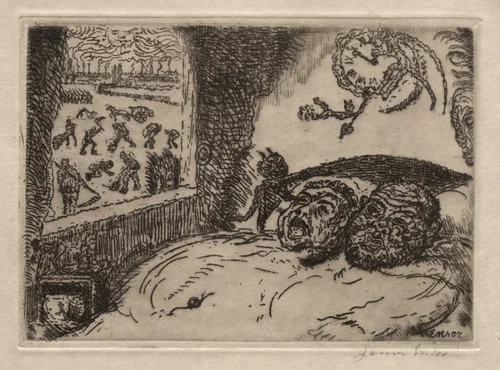
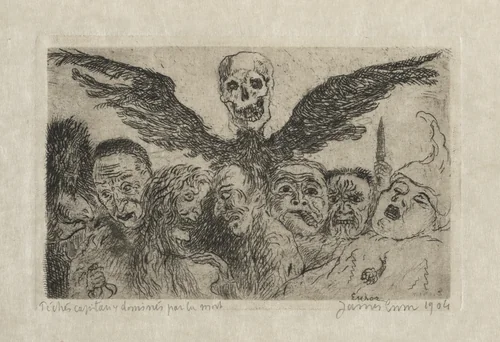
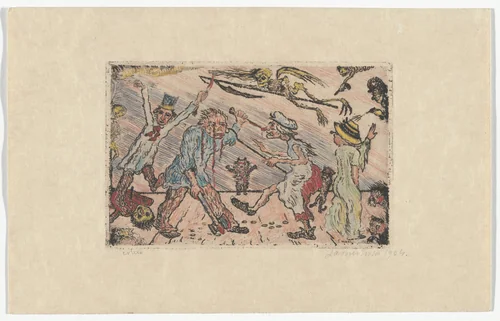
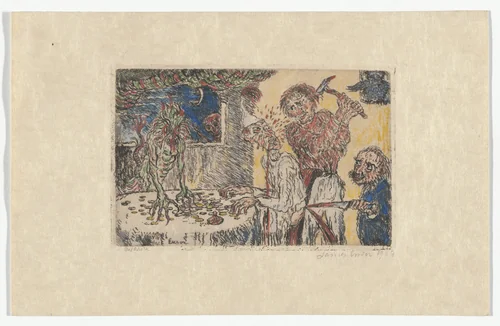
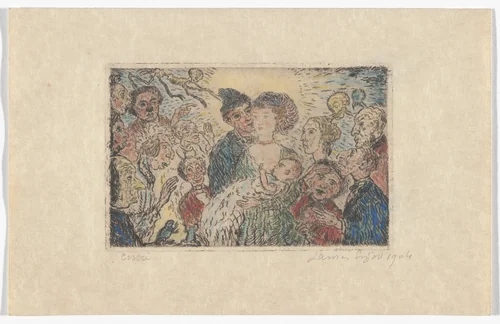
Although recognized for his early James Ensor paintings, it was arguably his graphic production that secured his innovative status. Ensor specialized in transforming mundane subjects into deeply unsettling dramas, cloaking his human figures in masks, skeletons, and carnival paraphernalia. Works from this period demonstrate his startling thematic range, from the serene coastal environment of Large View of Mariakerke to complex architectural subjects like Cathedral and The Cathedral. Yet, his singular genius often resided in the macabre, exemplified by the unsettling narrative of Devil's Sabbath or the peculiar tension captured in The Garden of the Rousseau Family.
Unlike many avant-garde figures who embraced relocation to the urban centers of Europe, Ensor maintained a steadfast existence in Ostend, frequently working above his family’s souvenir and shell shop. This unexpected domestic environment, packed with peculiar relics and grotesque masks, was the physical source for much of his extraordinary internal imagery.
Today, his extensive production of James Ensor prints is celebrated globally, with major holdings at institutions including the Cleveland Museum of Art and the Museum of Modern Art. Due to the dedication of museum-quality conservation efforts, many of his notable graphic works, created using etching and drypoint, are available as high-quality prints through various collections in the public domain.
Source: Wikipedia · CC BY-SA 4.0