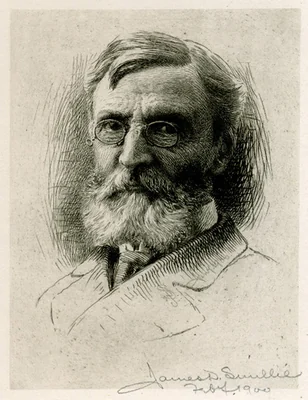
James David Smillie
James David Smillie (1838-1909) was a defining figure in the burgeoning American graphic arts scene of the late nineteenth century. An artist whose commitment extended equally to technical refinement and institutional development, Smillie was instrumental in professionalizing the practices of etching and watercolor in the United States. His foundational role as a cofounder of both the American Watercolor Society and the New York Etching Club establishes him as a critical connector, shaping the direction of American visual culture by creating new, dedicated exhibition forums outside of the traditional oil painting establishment.
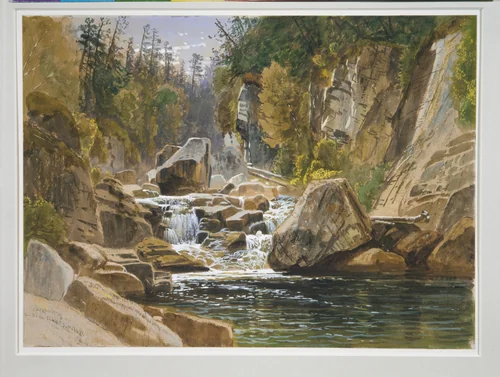
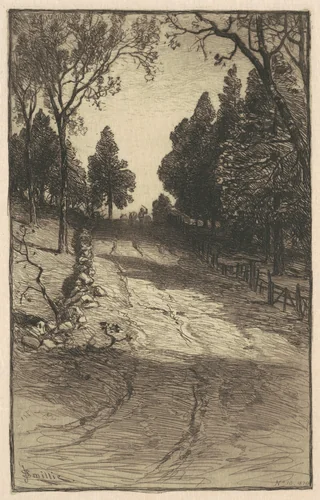
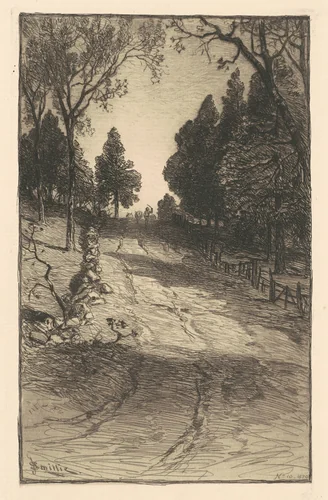
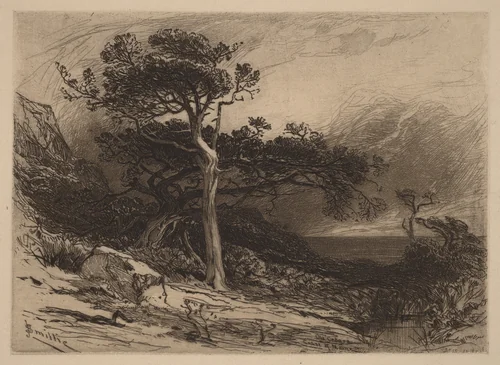
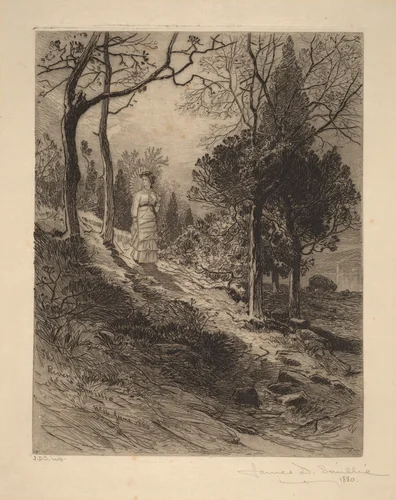
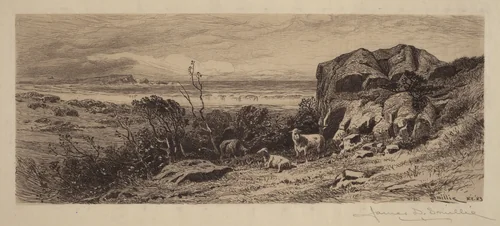
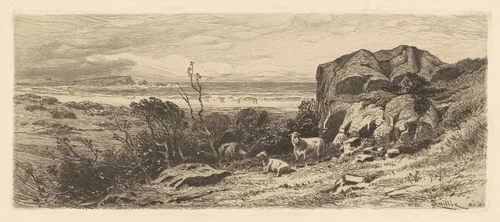
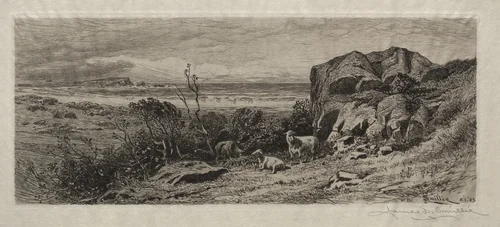
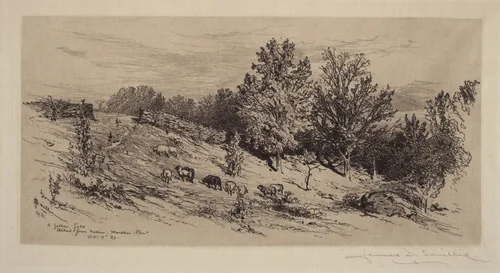
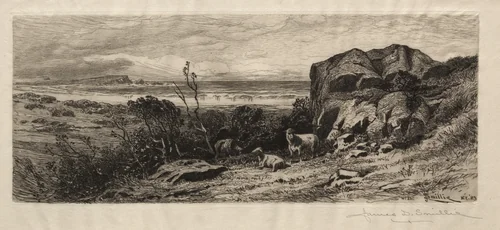
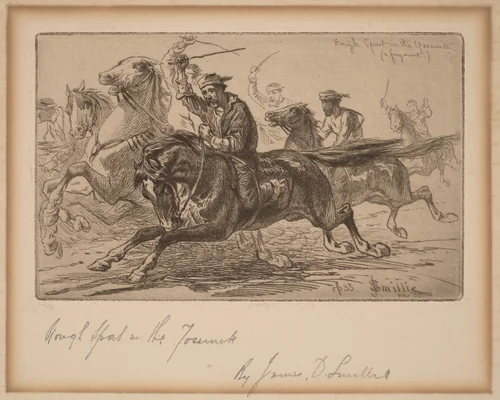
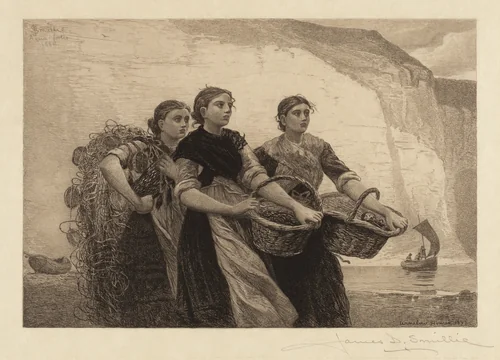
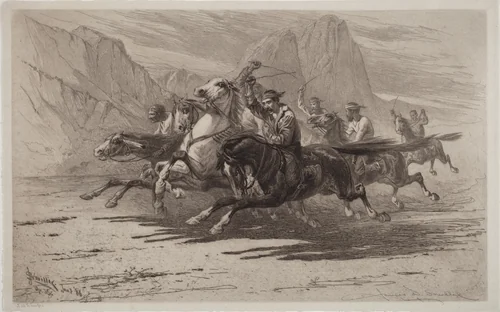
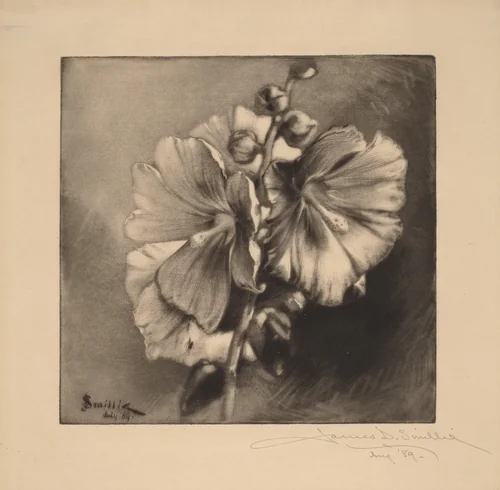
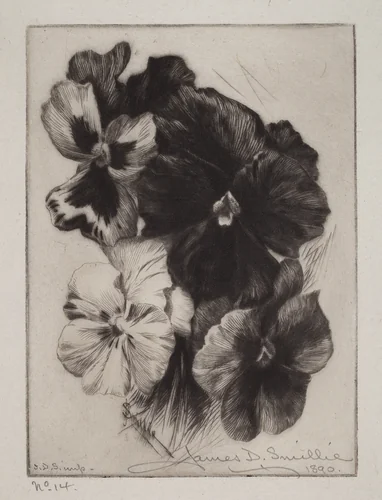
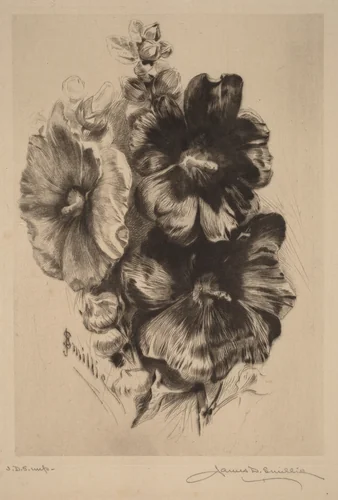
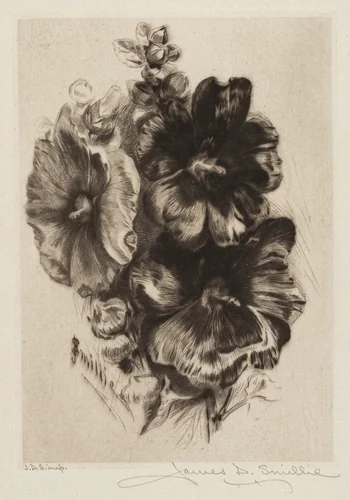
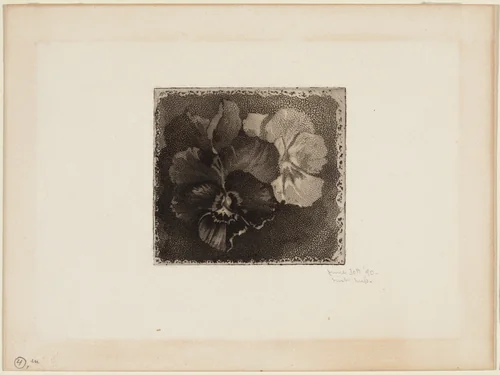
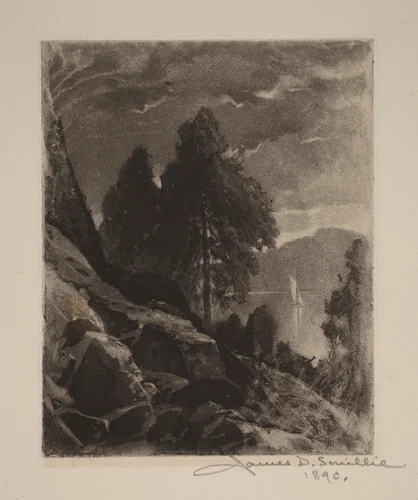
Active primarily between 1848 and 1889, Smillie developed an extensive portfolio distinguished by meticulous draftsmanship and atmospheric depth. While the database records only one work in another medium, Smillie is primarily known for his thirteen documented prints. He specialized in etching, a medium that suited his methodical approach to capturing the textured reality of the American landscape. Works such as On the Ausable and Old Cedars, Coast of Maine exemplify his capacity to render natural scenes with dramatic contrasts and precision, placing him firmly within the late Romantic landscape tradition. The systematic recurrence of specific geographic motifs, illustrated by two recorded impressions titled Up the Hill, suggests an intense focus on detailed environmental observation.
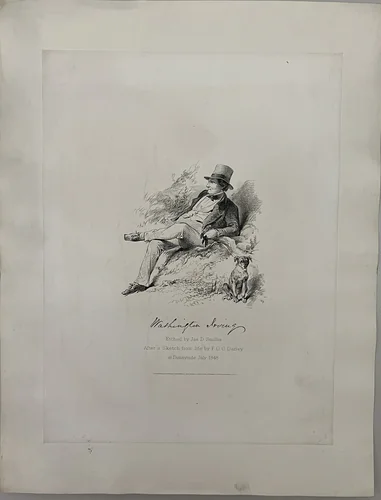
Smillie’s professional life ran parallel to that of his brother, George Henry Smillie, a well-regarded painter, positioning the Smillie name centrally within the New York art world of their era. It is interesting to note that while his brother often focused on broader canvases, James dedicated himself to the more intimate, reproducible format of the print, thereby democratizing access to the American landscape. Smillie’s versatility extended beyond scenery; his portrait of Washington Irving demonstrates his facility in figurative work.
Today, James David Smillie’s legacy is secured through major institutional acquisitions, with his works held in key collections including the National Gallery of Art, the Art Institute of Chicago, and the Metropolitan Museum of Art. The enduring quality of his line work means that many of his compositions remain accessible today; a significant portion of his output resides within the public domain and is available as high-quality prints, allowing modern audiences to appreciate the meticulous detail that defined his contribution to American art.
Source: Wikipedia · CC BY-SA 4.0