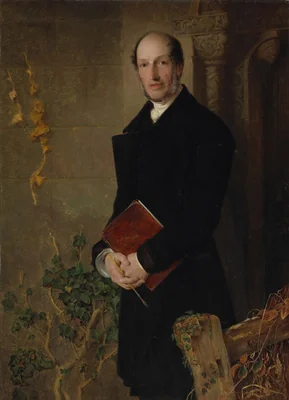
James Bulwer
The Reverend James Bulwer holds a significant, if often understated, position within the history of British landscape art. Active primarily between 1794 and 1827, Bulwer was a recognized member of the influential Norwich School of painters, a collective dedicated to capturing the subtle light and distinct topography of the East Anglian region. His surviving artistic output, consisting mainly of intimate drawings and studies, offers crucial insight into the artistic and social practices of the period.
Bulwer’s life was defined by a rigorous intellectual curiosity that extended far beyond his duties as a clergyman. He was known widely in his time as an esteemed naturalist and collector, notably specializing as a conchologist. This methodical, academic approach profoundly informed his visual work, lending his landscapes an acute topographical accuracy that went beyond simple scenic observation. It is within this scholarly context that his key artistic relationships flourished. Bulwer served as both a dedicated friend and vital patron to the pre-eminent figure of the school, John Sell Cotman. This mutually supportive relationship firmly anchored Bulwer within the artistic circulation of early Romanticism.
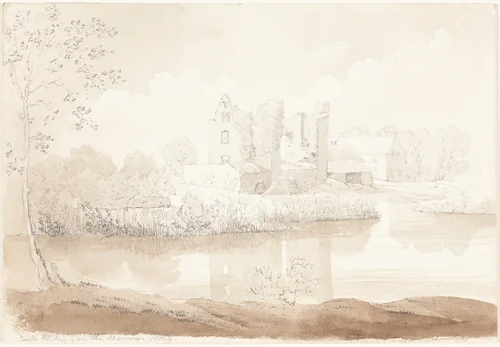
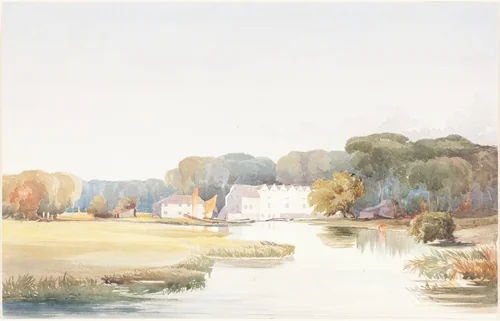
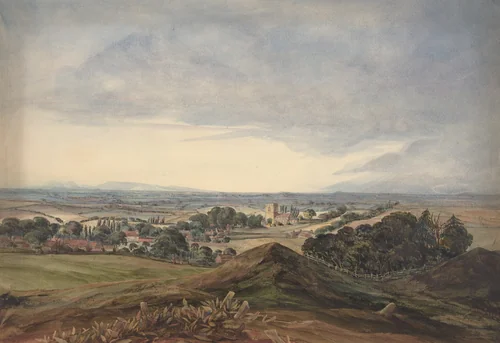
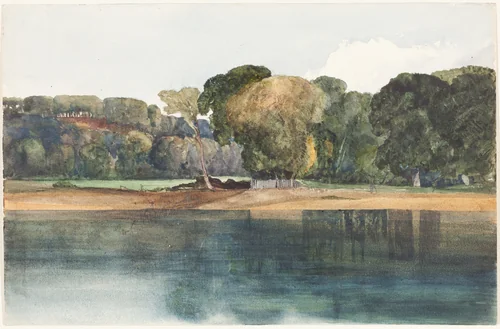
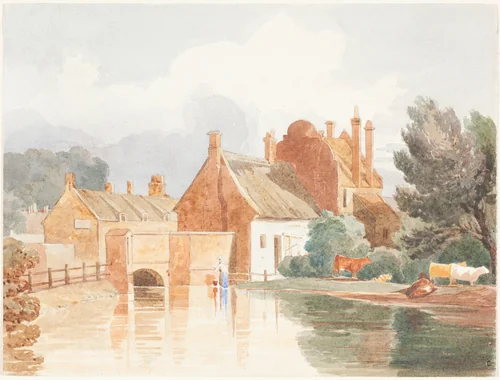
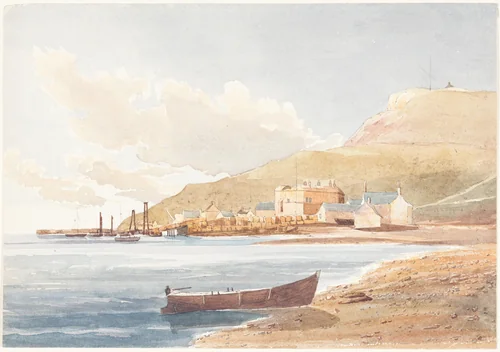
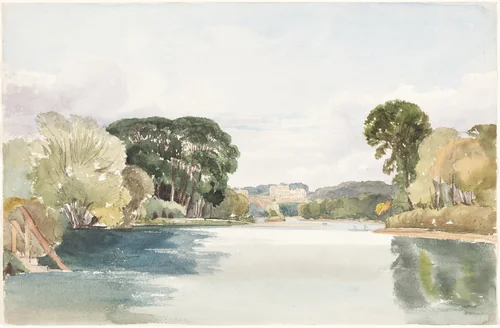
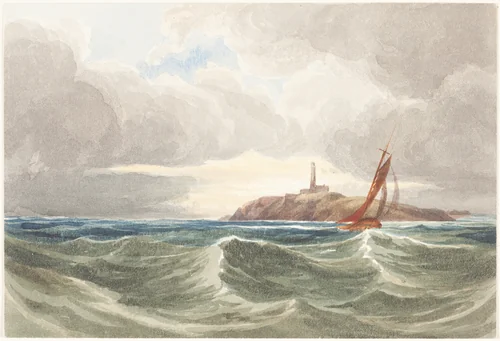
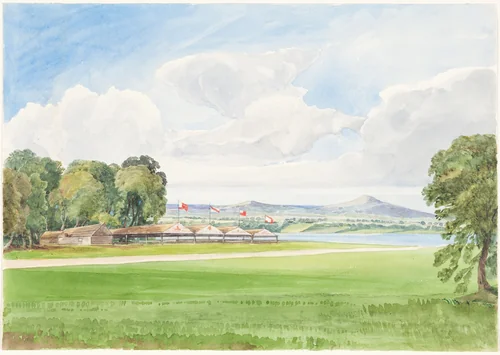
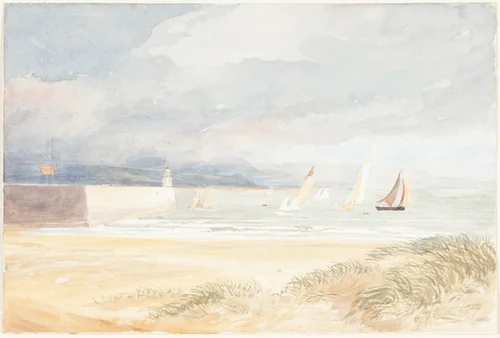
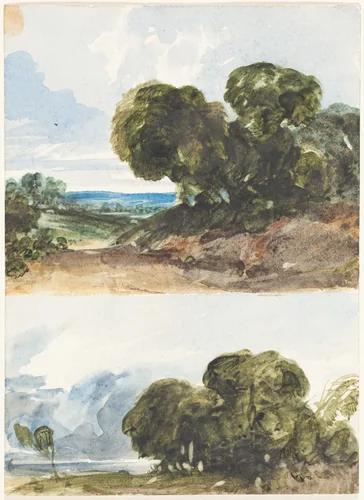
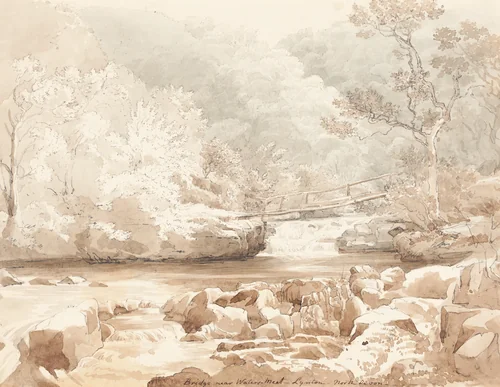
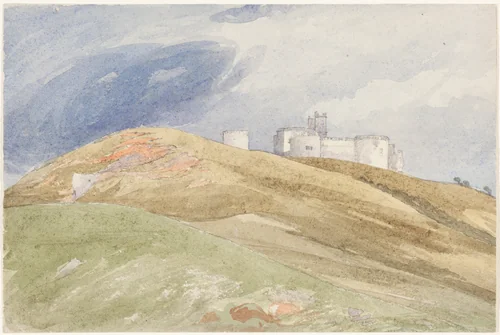
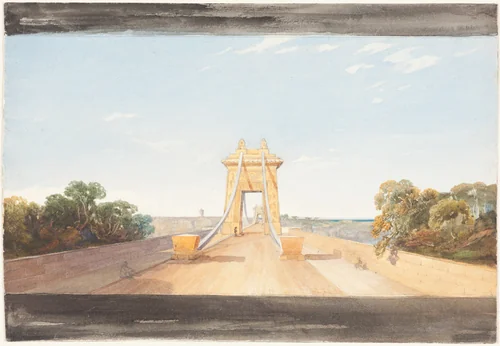
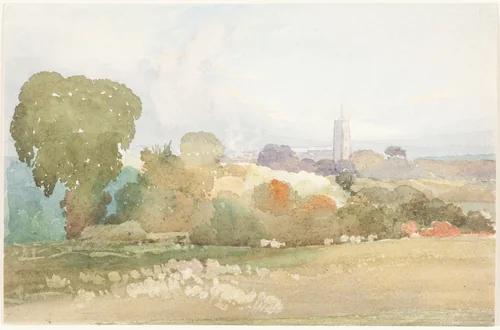
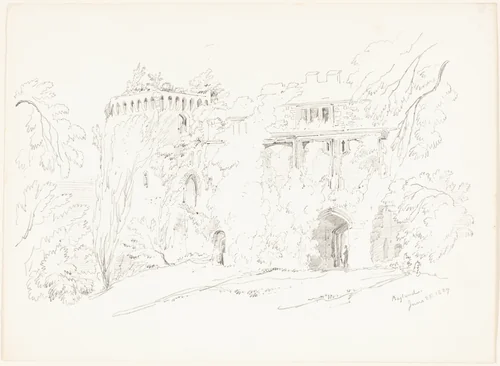
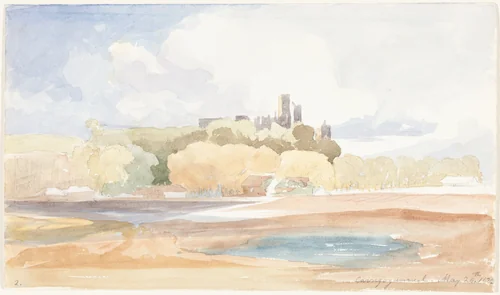
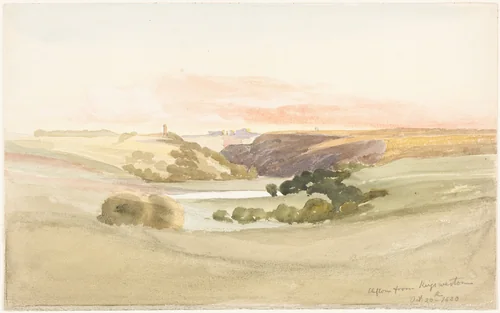
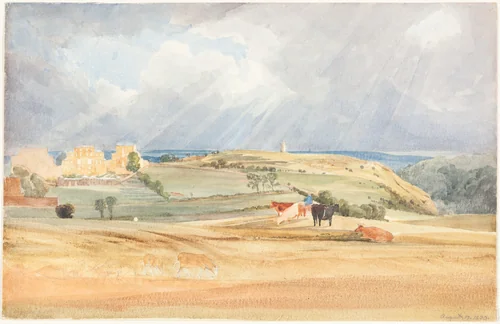
Bulwer’s preference for graphite drawing and wash techniques, rather than large-scale oil painting, resulted in works that are characteristically quiet, precise, and often preparatory in feel. Studies such as Castle Rheban on the River Barrow, Athy and the highly detailed view of Horstead Mill on the River Bure, Norfolk demonstrate a commitment to clear composition and atmospheric quality characteristic of the Norwich School. His focus on meticulous documentation ensured that the surviving collection of James Bulwer prints and drawings, often depicting local sites like Hunworth Church, remain valuable resources for understanding the visual documentation of 19th-century Britain.
Bulwer’s dual identity, seamlessly merging the parsonage with the drawing board, presents a uniquely English archetype: the cultivated amateur whose passion elevates him to professional merit. While a specialist in the classification of shells, his careful methodology was applied equally to rendering a distant horizon line. Today, his works are preserved in major institutions, including the National Gallery of Art. Because these historical images reside in the public domain, they are readily accessible as museum-quality, downloadable artwork for scholars and enthusiasts globally.
Source: Wikipedia · CC BY-SA 4.0