James Bretherton
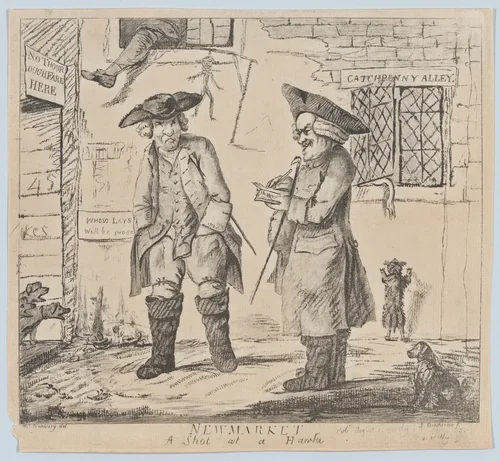
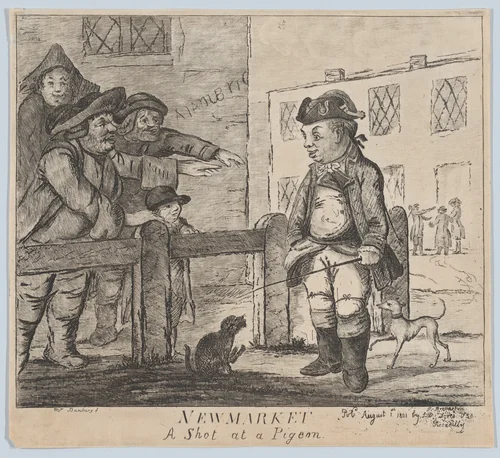
James Bretherton (active 1750-1801) holds a distinctive, if compact, position within the chronology of late eighteenth-century British printmaking. While his documented output consists of approximately fourteen known plates, this small oeuvre demonstrates the technical fluency and stylistic range necessary to secure his works permanent residence in major global repositories, including the Metropolitan Museum of Art, the Art Institute of Chicago, and the Rijksmuseum.
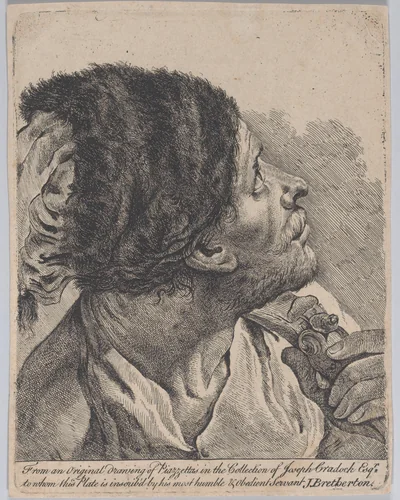
Bretherton operated primarily as an accomplished etcher and engraver, translating visual information across media with notable precision. His portfolio is defined by an unusual elasticity, moving seamlessly from topographical studies and genre scenes to commissioned portraiture and skillful copies of revered masters. This technical mastery allowed him to produce durable, high-quality prints that extended the reach and influence of both contemporary and historical painting throughout Europe. His meticulous rendition of Man in a fur hat holding a musket, executed after Giovanni Battista Piazzetta, showcases his command over tone and shadow, effectively translating the dramatic chiaroscuro of the Italian Baroque into line-work.
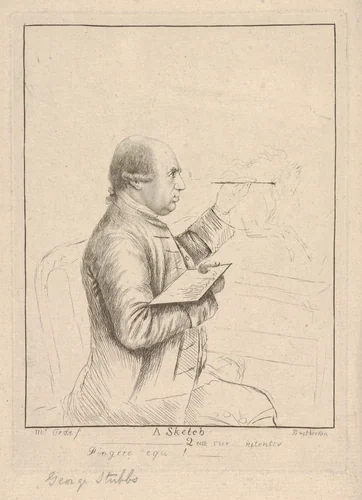
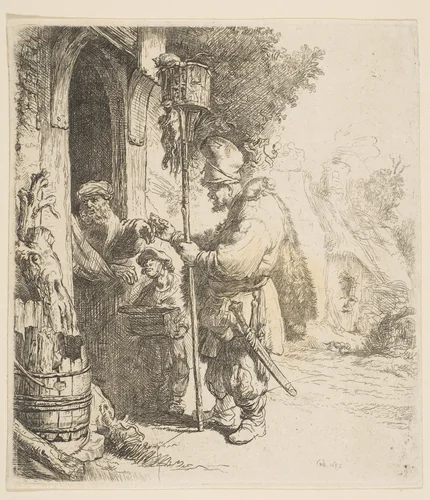
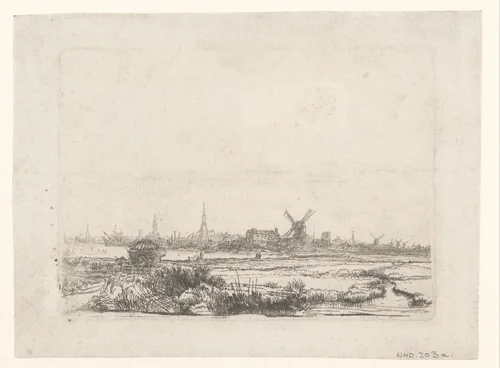
Perhaps his most historically significant work is the intimate portrait A Sketch, which depicts the revered animal painter George Stubbs. This piece offers a rare, personal glimpse of one of the era’s most celebrated artistic figures. Bretherton was equally comfortable documenting the urban environment, demonstrated by the copperplate View of Amsterdam from the Kadijk, a rigorous topographical exercise that captures the essential character of the Dutch waterway with precise detail. The artist’s interests frequently juxtaposed the stately with the earthy, resulting in compelling genre studies such as The Rat Catcher, which chronicles the gritty realism of common life.
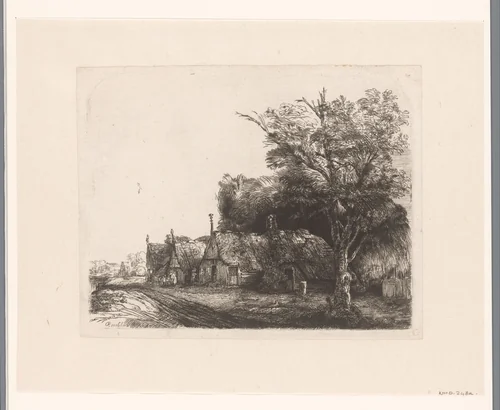
The consistency of Bretherton’s execution is the defining element of his legacy. Whether capturing the rustic charm of Landscape with three gabled cottages beside a road or reproducing complex masterworks, his work sustained a professional excellence that ensured its survival. It is fortunate that an output of such varied ambition, constituting essential examples of museum-quality printmaking, is now widely accessible as downloadable artwork for scholarly study worldwide.