James Basire
James Basire (1730–1802), also known as James Basire Sr., was a central figure in 18th-century British engraving, anchoring the most distinguished lineage in a family métier that spanned three generations. Active primarily between 1762 and 1790, Basire established the technical benchmark for the detailed rendering of portraiture, architectural studies, and historical illustrations necessary for the burgeoning publishing market.
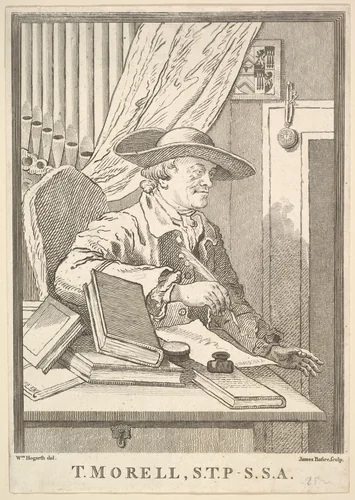
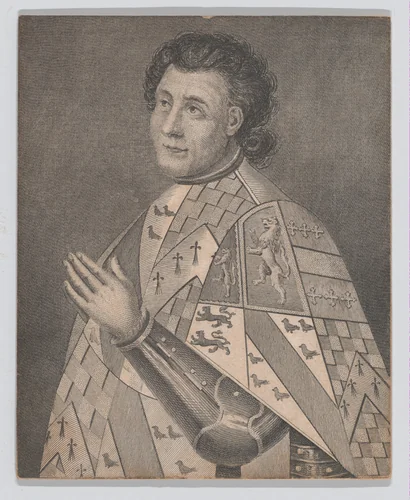
Basire’s expertise lay in translating existing works, often large-scale oil paintings, into the exacting medium of copperplate engraving. This skill was vital for disseminating images of intellectual and historical importance beyond the confines of private collections. His portfolio reflects the intellectual curiosities of the era, encompassing formal society portraits like Thomas Morell, S.T.P.- S.S.A. and dramatic historical renderings such as John Talbot, 1st Earl of Shrewsbury and 1st Earl of Waterford. The meticulous quality of Basire's line work made his James Basire prints highly sought after by antiquarians.
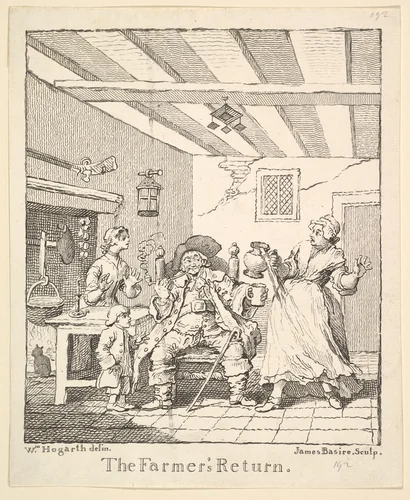
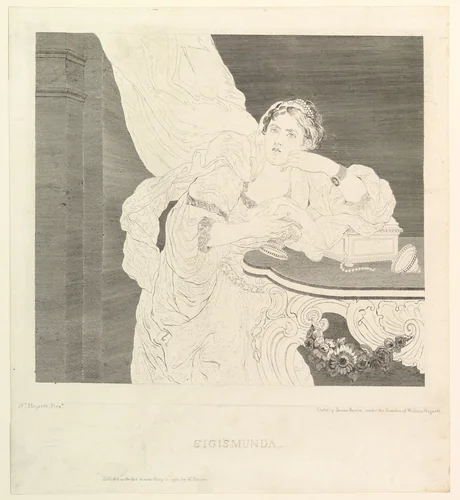
While reproductive art often prioritizes accuracy over flourish, Basire possessed a reliable eye for precise detail and texture, skills essential for success in 18th-century publishing ventures. His technique ensured that the resulting works, whether the literary illustration Sigismunda or the functional Frontispiece to "The Farmer's Return", functioned successfully both as art and as high-quality documentation. He specialized in producing museum-quality prints that captured the subtleties of the original source material.
Basire’s most profound and enduring contribution to art history often lies outside his own extensive portfolio: his role as the master craftsman who took on the young William Blake as an apprentice. From 1772 to 1779, Blake received rigorous training under Basire, learning the painstaking discipline and mechanical execution that would later serve as the foundational bedrock for his radical illuminated printing techniques. This seven-year mentorship provided Blake with the technical literacy necessary to construct his unique, future vision.
Today, Basire's significant works are preserved in major public institutions worldwide, including the Metropolitan Museum of Art. Due to the age of the original plates, many of these historical Basire prints are now available as downloadable artwork, ensuring their continued study and appreciation within the public domain.