James Barton Longacre
James Barton Longacre (1794-1869) was arguably the most consequential American visual artist of the mid-nineteenth century whose prolific work remains universally encountered, if often uncredited. Longacre secured his pivotal role in American history when he became the fourth Chief Engraver of the United States Mint in 1844, a position he held until his death. His tenure required him to navigate the aesthetic demands of a rapidly modernizing federal institution, balancing practical utility with evolving national iconography.
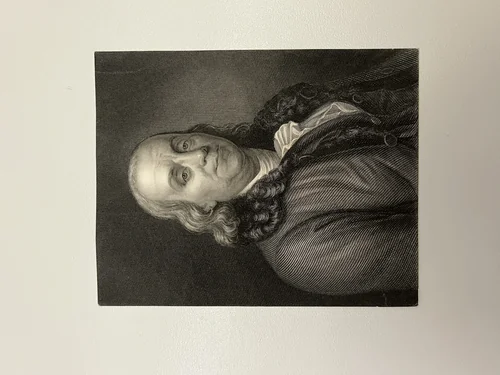
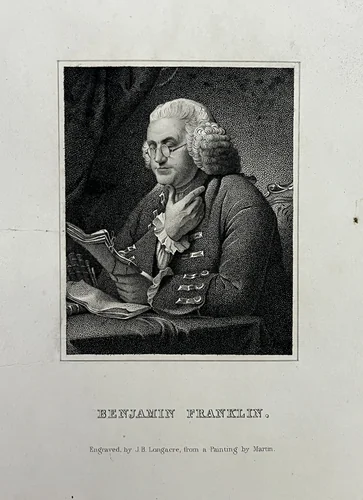
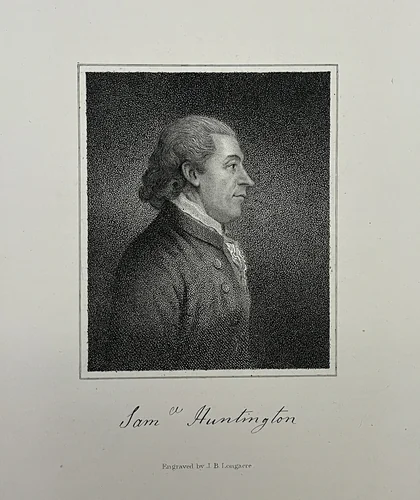
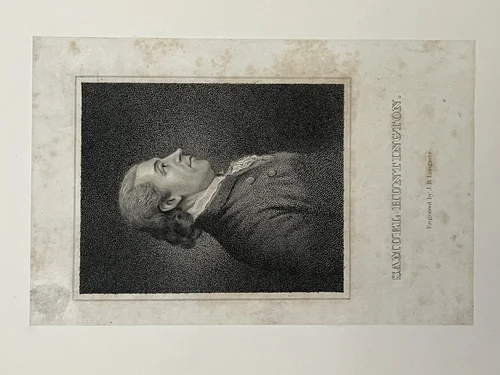
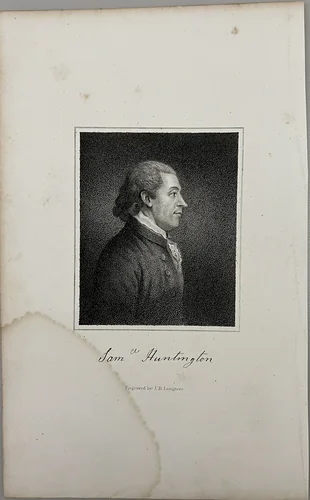
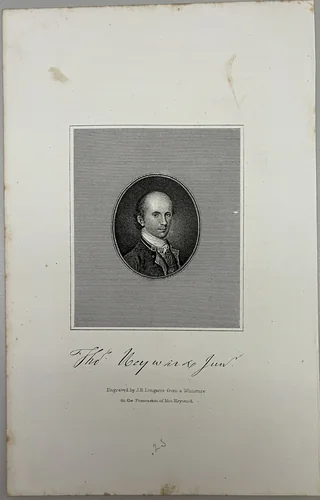
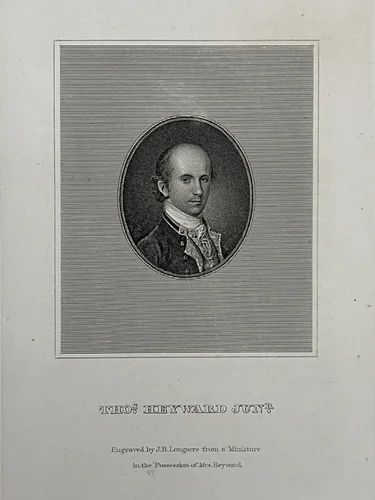
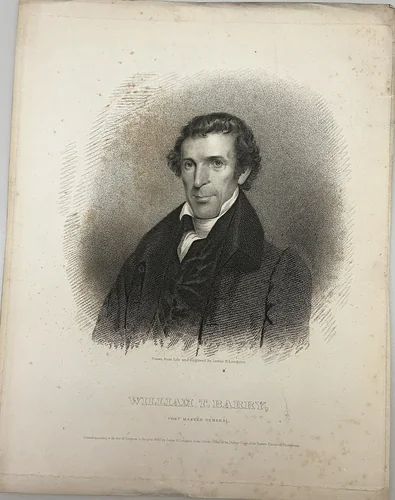
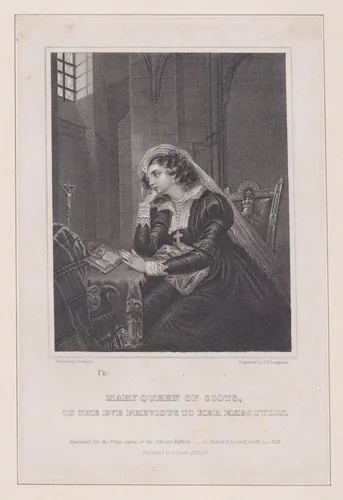
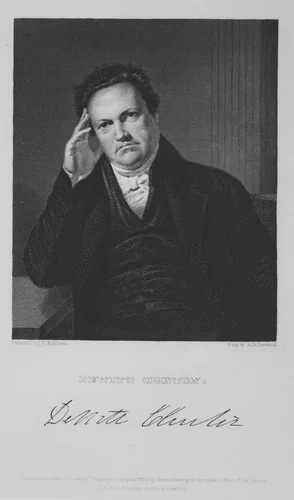
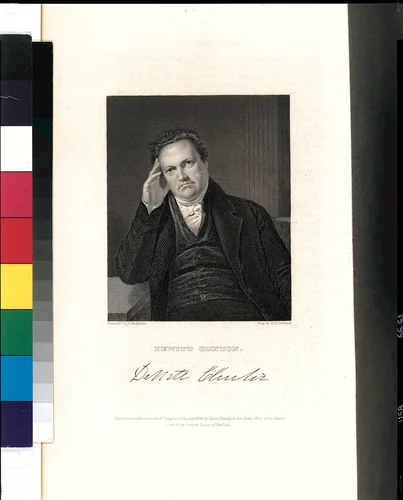
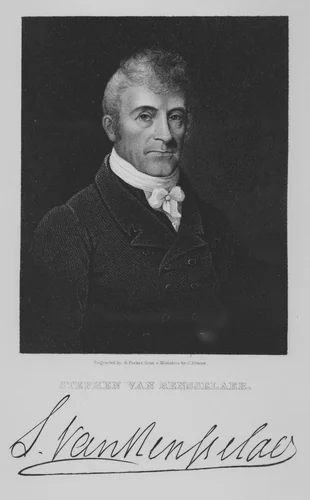
Before his decades-long dedication to federal coinage, Longacre established a solid reputation in Philadelphia and beyond for producing exacting, detailed plates. Primarily active as a highly skilled portraitist and professional engraver, his early output consisted of numerous historical portraits, including detailed renderings of figures such as Benjamin Franklin and Samuel Huntington. These works, often executed in the demanding stipple and line engraving styles, demonstrate the refined technical mastery necessary to disseminate the images of historical leaders across the burgeoning nation. Many of these James Barton Longacre prints are still studied today for their precision and historical value, appearing in major collections including the Metropolitan Museum of Art and the Art Institute of Chicago.
Longacre’s greatest institutional impact materialized during his time at the Mint, where he was instrumental in redesigning American currency following the aesthetic shift away from purely classicist figures. He conceptualized and executed several foundational pieces of American coinage that defined the post-Civil War era. His notable designs include the experimental Flying Eagle cent, the innovative Shield nickel, and most enduringly, the iconic Indian Head cent, which entered commerce in 1859. This small work of art transformed everyday commerce into a gallery of uniquely American symbols.
His legacy is unique in that while a painter might be known only to connoisseurs, Longacre was known, literally, to every citizen holding change. Today, students and researchers can examine his drawings, paintings, and historical reference material now available in the public domain, making downloadable artwork widely accessible. These museum-quality works, alongside the surviving metal proofs, attest to his enduring influence on both the fine arts and the standards of national design.
Source: Wikipedia · CC BY-SA 4.0