Jacques Villon
Jacques Villon, born Gaston Duchamp (1875-1963), was a pivotal figure in the early-twentieth century French avant-garde, distinguishing himself as both a prolific painter and a masterful printmaker. His artistic career spanned the entire transition from fin de siècle observational realism to the radical structures of abstract modernism.
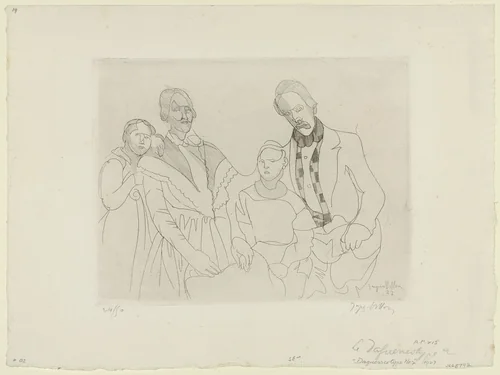
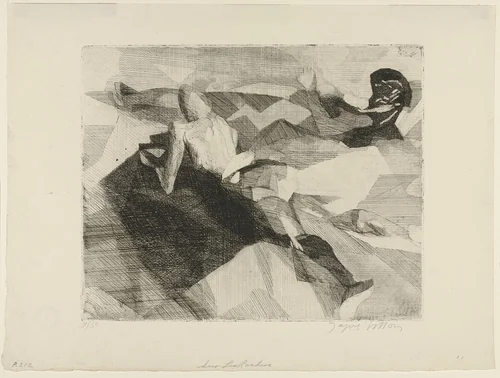
Villon began his professional life in the bohemian districts of Montmartre, adopting his pseudonym from the medieval poet François Villon and his mother's maiden name. During the period between 1890 and 1902, he dedicated himself primarily to drawing and etching, recording the figures and atmosphere of contemporary Paris. Early, incisive works such as Down and Out, the detailed Portrait du peintre-graveur Émile Nicolle, and the lively street scenes captured in Dancer at the Moulin Rouge demonstrate his early command of line and shadow. He also provided insightful, tender family studies, exemplified by Portrait of My Father (Portrait de mon père).
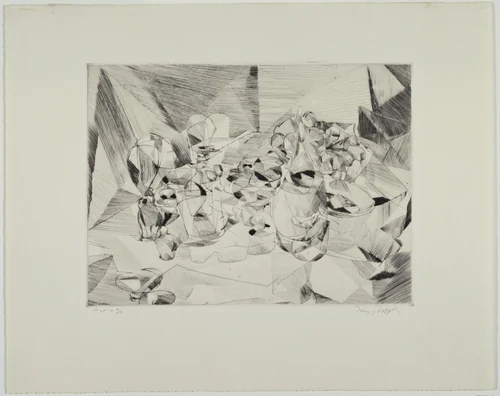
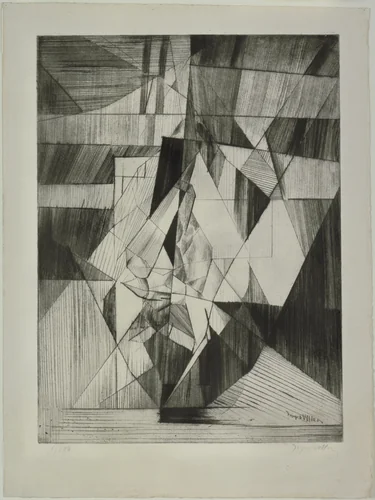
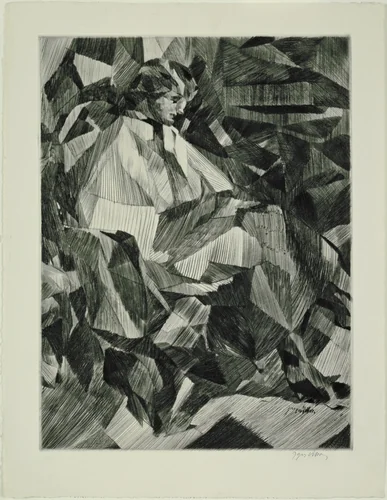
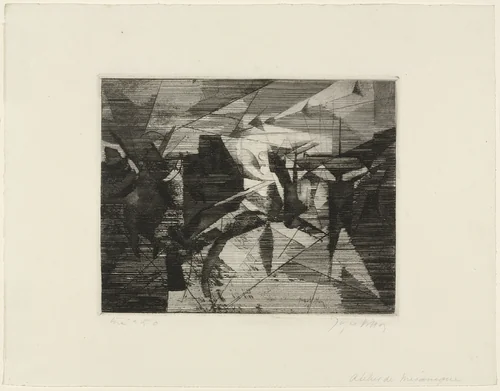
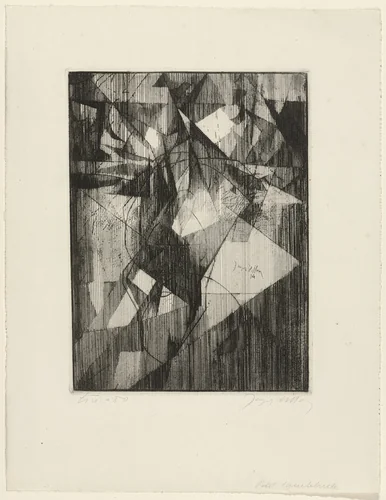
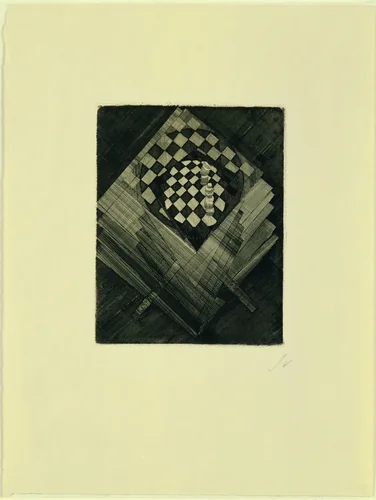
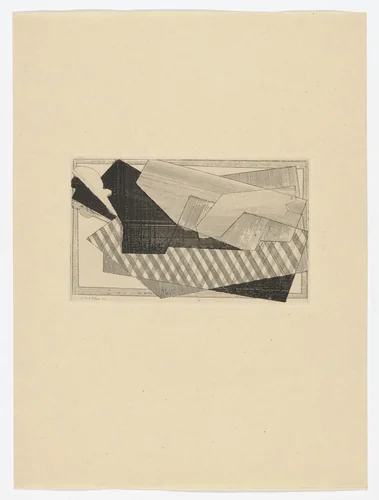
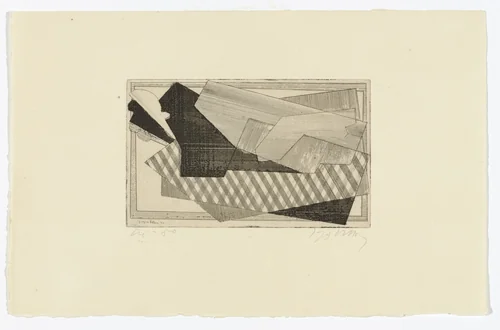
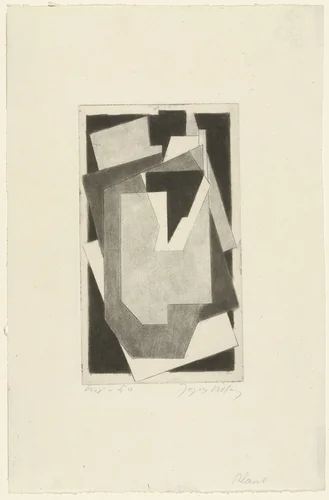
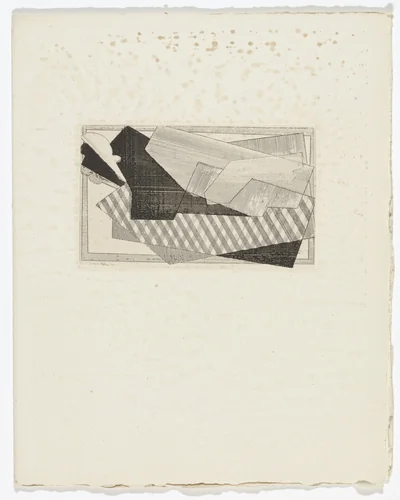
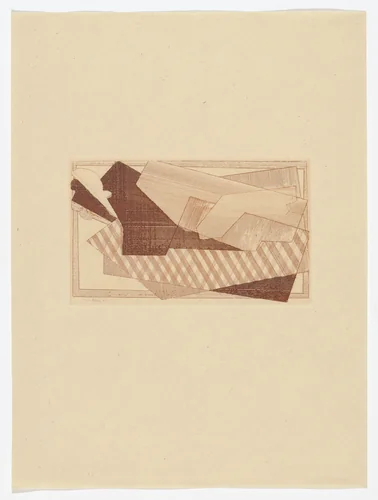
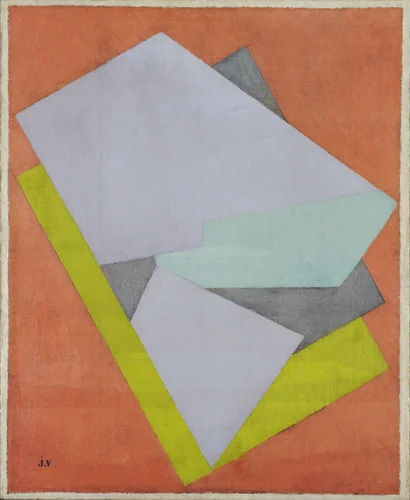
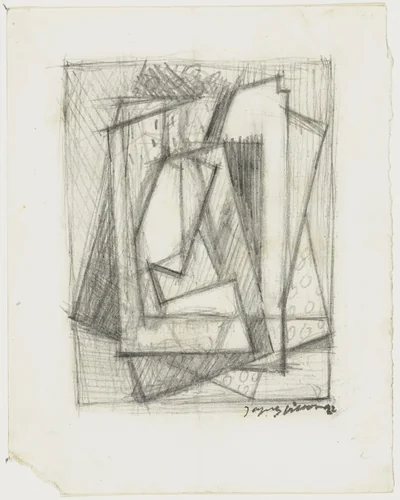
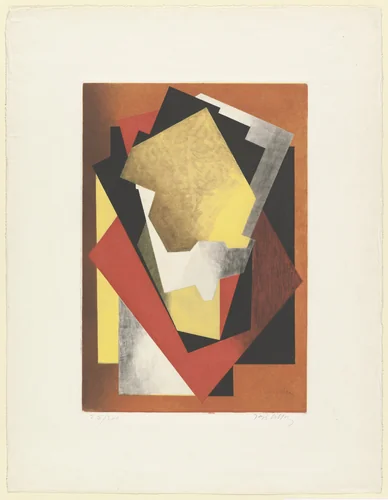
While these early works confirm his technical brilliance in figuration, Villon’s lasting historical significance resides in his later commitment to Cubism. Unlike his contemporaries, Villon pursued a measured, analytical approach, infusing the fragmented planes of Cubist structure with highly chromatic color schemes and mathematically precise systems, often derived from Euclidean geometry.
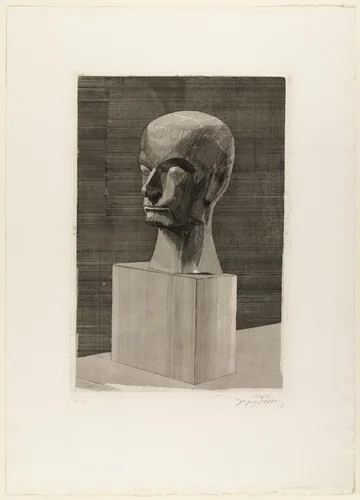
A significant aspect of his legacy is the elevation of the graphic arts. Villon utilized etching, aquatint, and drypoint not merely as reproductive tools, but as an independent, primary medium for abstract exploration. He pushed the boundaries of what was achievable in this realm, ensuring that his Jacques Villon prints are recognized today as masterpieces of the graphic arts. Many of these sophisticated works, prized by institutions worldwide, including the Museum of Modern Art, are now entering the public domain, making high-quality prints accessible to new generations.
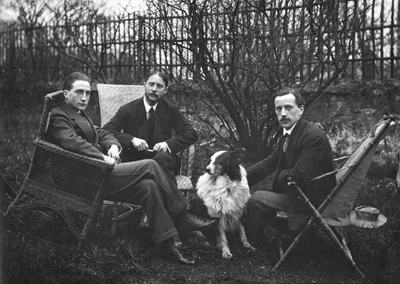
Villon holds the unusual distinction of being the eldest brother of a family dynasty that redefined modern art, which included Marcel Duchamp and Raymond Duchamp-Villon. Yet, while his younger brothers often sought conceptual provocation, Jacques Villon maintained a dignified, disciplined approach centered on technical rigor and structural beauty, providing a necessary classical anchor to the family’s artistic revolution.
Source: Wikipedia · CC BY-SA 4.0