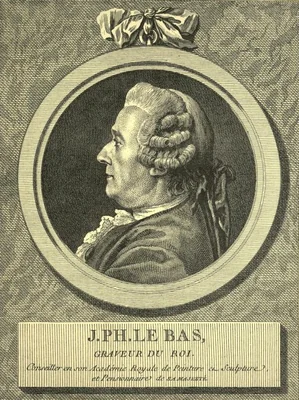
Jacques-Philippe Le Bas
Jacques-Philippe Le Bas stands as a foundational figure in 18th-century French printmaking. While many of his contemporary engravers operated as individual entrepreneurs, Le Bas distinguished himself by creating and directing the largest and most influential engraving workshop in Paris, an enterprise that codified the standards for graphic art distribution across Europe during a period of rapidly growing consumer demand for reproducible images. His significance lies not only in his personal technical mastery but in his role as a managerial and technical administrator, effectively running an engine room for French visual culture.
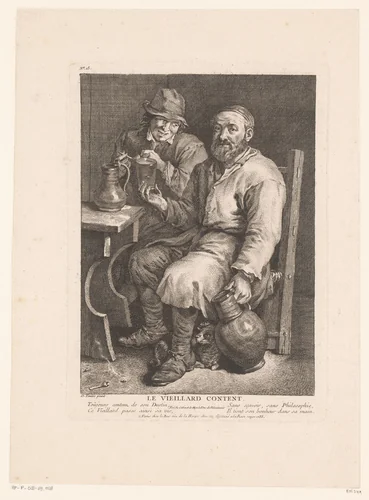
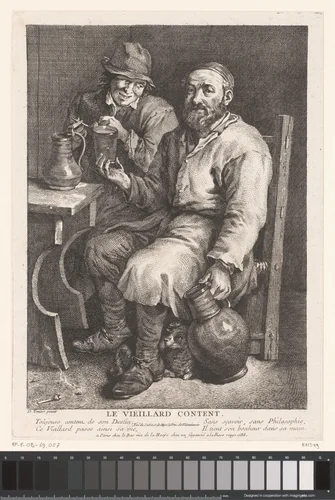
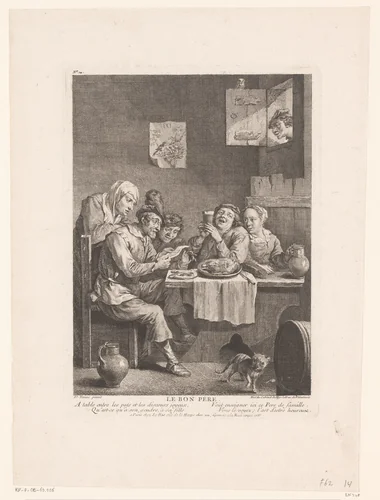
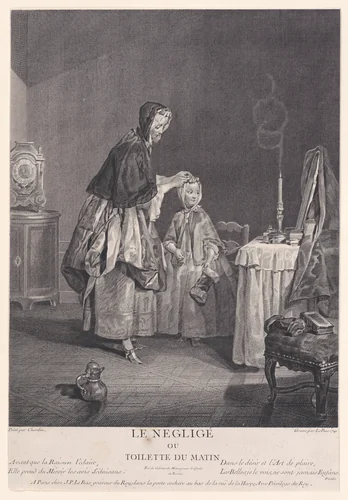
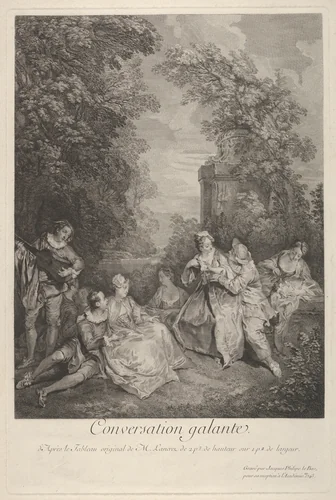
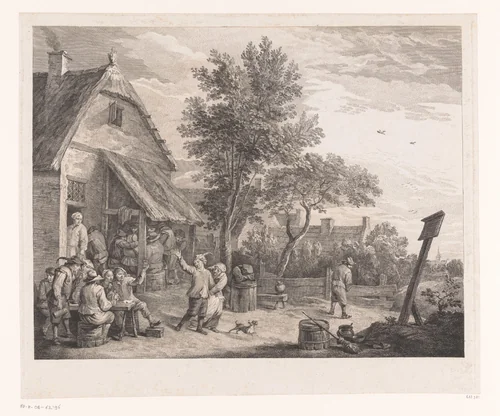
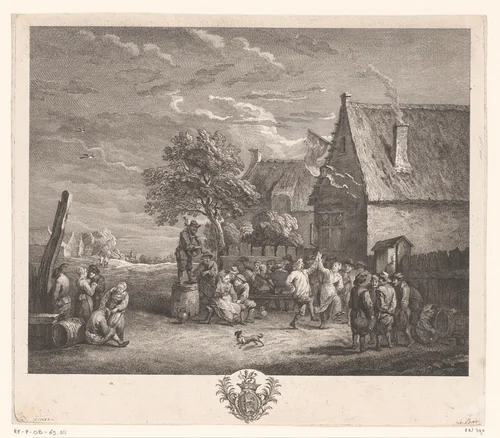
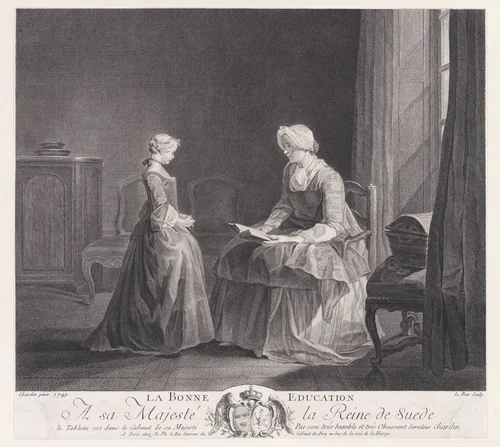
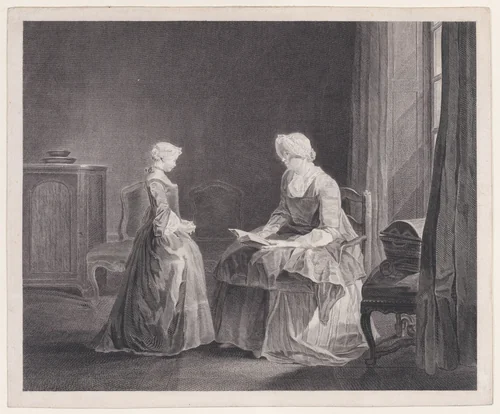
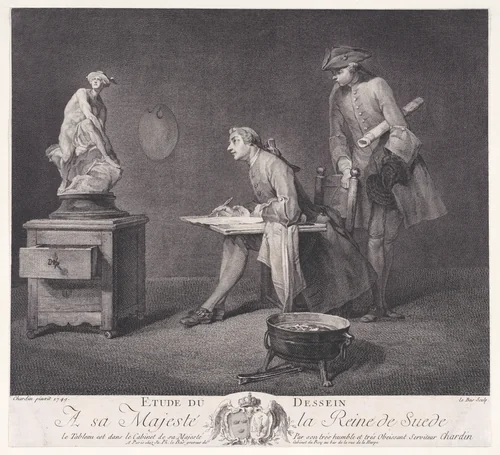
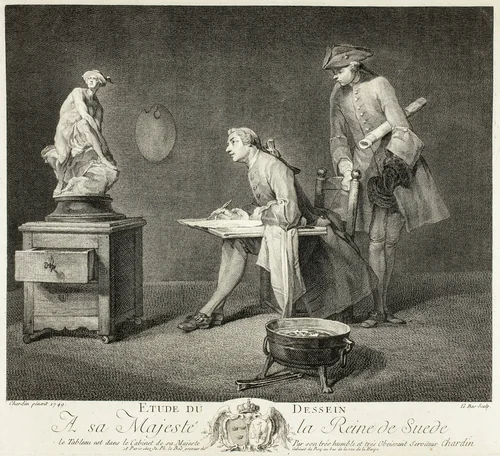
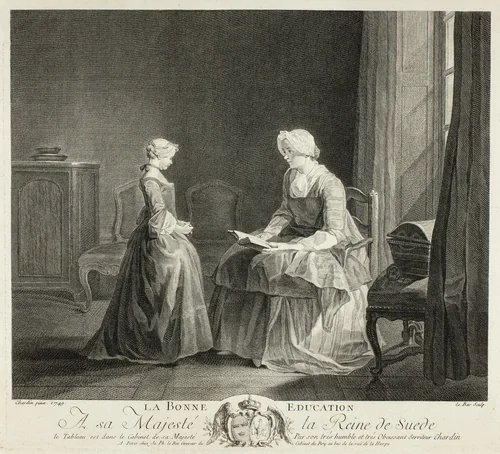
Le Bas specialized primarily in the creation of reproductive prints, the crucial method by which the major compositions of painters like Watteau, Lancret, and Chardin were translated into the accessible mediums of etching and engraving for widespread dissemination. His own work required a profound technical duality, mastering both the freedom of etching, often used for initial outlines and landscape elements like those found in View of the Surroundings of Bruges, and the rigorous precision of the burin necessary for detail and finishing. It is perhaps a great irony of his career that the man responsible for disseminating the images of so many celebrated painters is himself primarily remembered for the unparalleled technical prowess and efficiency of his copperplates, rather than the invention of new compositional ideas.
The sheer volume and consistent quality of output from the Le Bas establishment secured his enduring influence. His workshop acted as the principal training ground for subsequent generations of French graphic artists, defining the economic and aesthetic model for print publication well into the revolutionary period. Today, Jacques-Philippe Le Bas prints are foundational components of major international collections, including the Rijksmuseum and the Metropolitan Museum of Art. These holdings, which include detailed works such as Second View of the Surroundings of Bruges and his published books, attest to the vast scope of the enterprise. As many of his finest plates have transitioned into the public domain, researchers and enthusiasts can now access high-quality prints and downloadable artwork, ensuring that the legacy of this administrative master of the visual arts remains readily available.
Source: Wikipedia · CC BY-SA 4.0