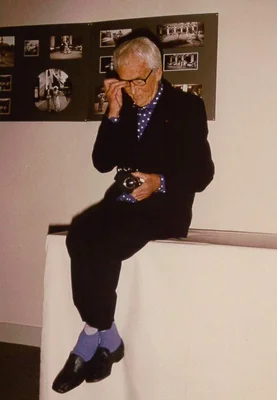
Jacques-Henri Lartigue
Jacques-Henri Lartigue (1894-1986) was a French artist celebrated for his singular visual chronology of the early 20th century. Though he worked also as a painter, his enduring significance rests upon the photographic archive he meticulously created, focusing intensely on the period between 1904 and 1910. Lartigue captured the nascent technological energy and the fleeting social grace of the Belle Époque, becoming perhaps the era’s most insightful, if initially unrecognized, visual chronicler.
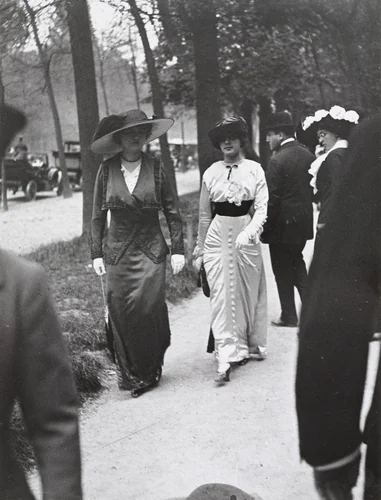
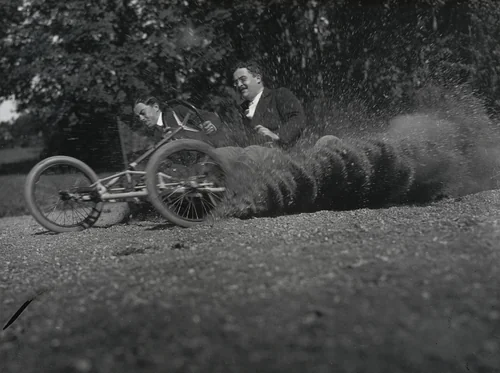
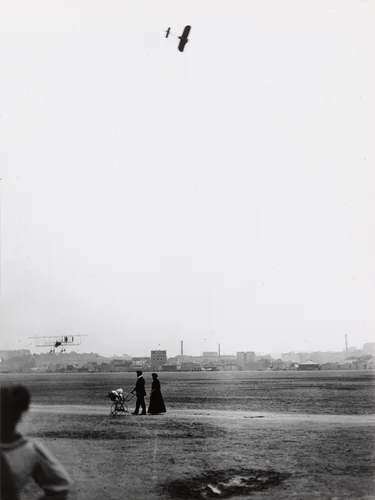
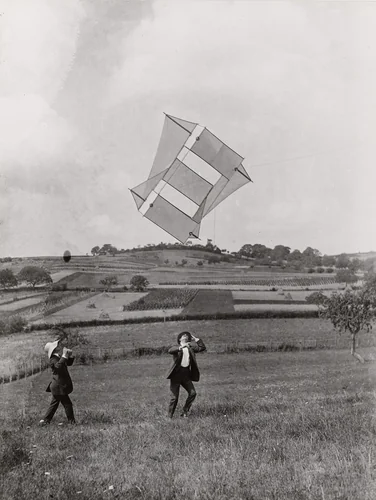
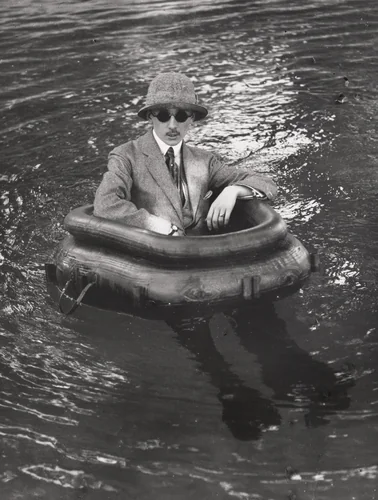
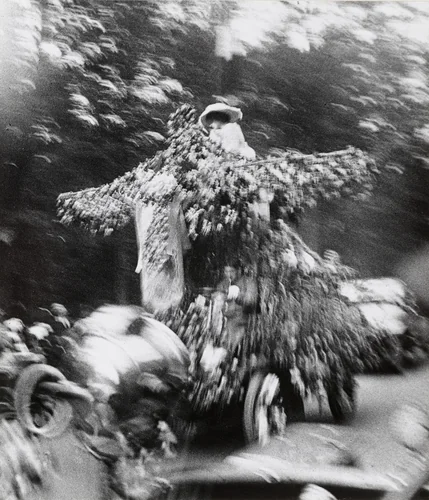
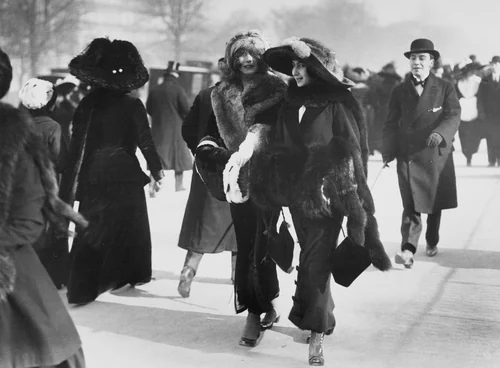
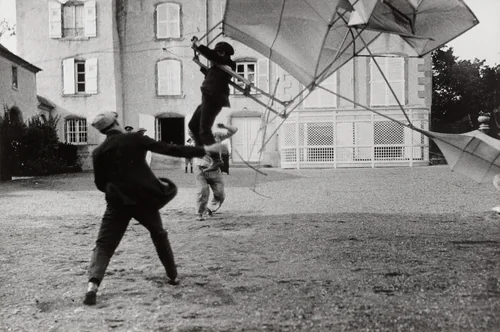
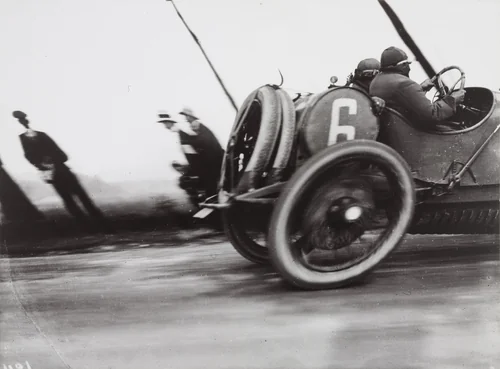
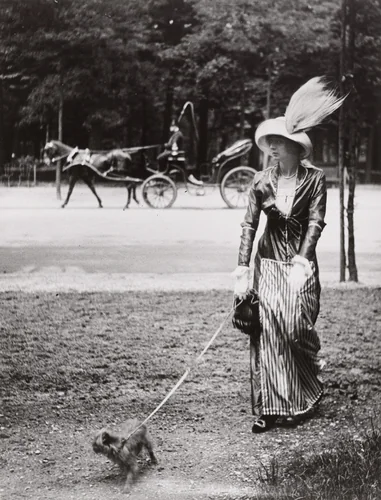
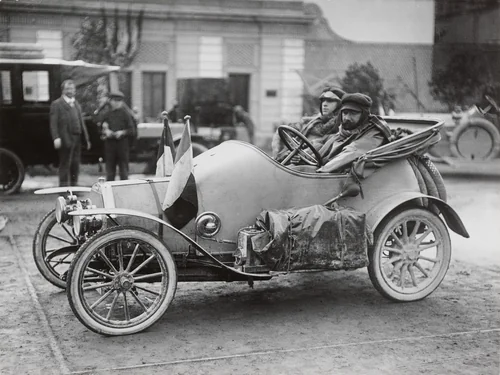
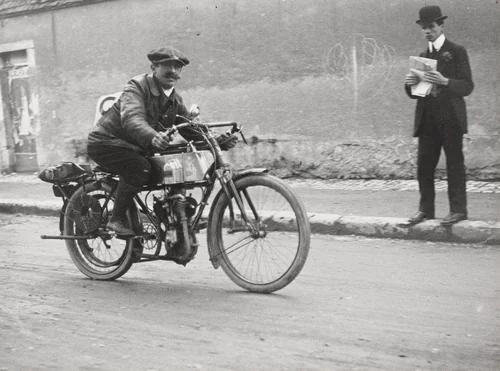
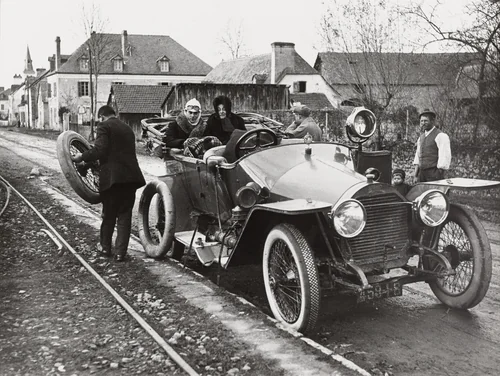
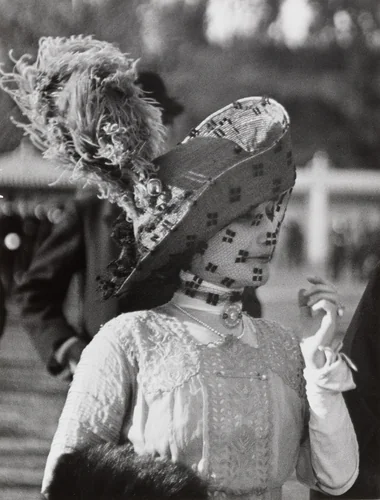
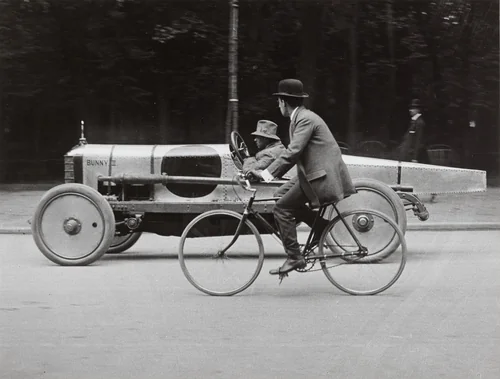
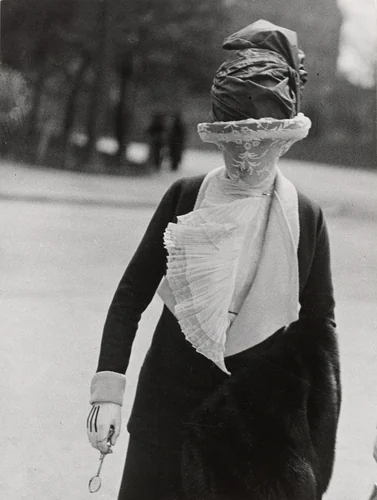
His early photographic works documented the transition into modernity, specifically the excitement surrounding speed and movement. Using advanced amateur equipment, Lartigue specialized in capturing the precise moment of action. His images chronicled the burgeoning obsession with aviation, as seen in the structural complexity of My Hydroplane with Aerial Propellor, and the velocity of automobile culture, exemplified by the exhilarating motion-blur found in Gordon Bennett Cup Race. These technical feats were balanced by his astute observations of high Parisian society, particularly the emergence of sophisticated female fashion and the leisure activities of the privileged class.
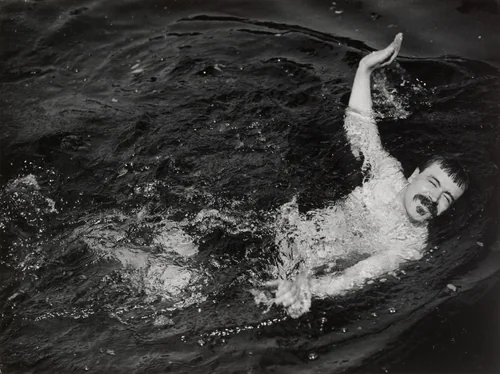
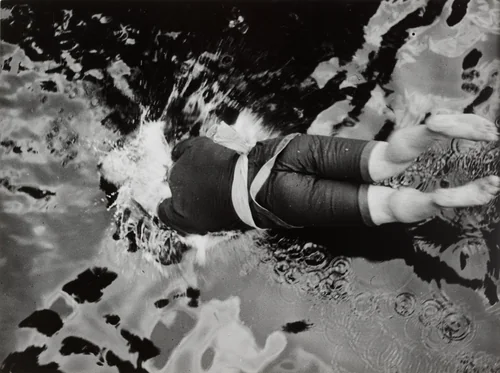
Lartigue focused his lens on familial intimacies and social rituals, lending an unusual personal warmth to his historical record. Works such as The Beach at Trouville, Mme. Roussel and Her Friends at Villerville, and the portrait My Cousin Simone Roussel on the Beach at Villerville reveal his nuanced appreciation for light, posture, and environmental composition.
What distinguishes Lartigue’s immense early output is that he operated outside the professional sphere, compiling his extensive archive primarily for private memory and enjoyment. He created one of the most visually complete and technically masterful diaries of the era entirely unaware of its eventual public significance. This work achieved critical recognition only much later in his life, leading to the acquisition of key photographic assets by major institutions, including the Museum of Modern Art. Today, much of his foundational photographic output is recognized as being in the public domain, allowing institutions to make museum-quality reproductions widely available. These high-quality prints ensure that Lartigue’s uniquely joyful vision of a rapidly changing world remains accessible to contemporary viewers.
Source: Wikipedia · CC BY-SA 4.0