Jacques Germain Soufflot
Jacques-Germain Soufflot (1713-1780) stands as one of the defining figures of the mid-eighteenth century, credited with introducing the severe yet elegant principles of Neoclassicism to international architectural practice. A French architect in a global circle of classicizing thinkers, Soufflot moved beyond the excesses of the Rococo, advocating for structures based on rational antiquity and structural clarity. His designs synthesized French classical tradition with lessons absorbed during his extensive study in Rome, leading to monumental works that reshaped the Parisian skyline and defined a new aesthetic era.
His foundational legacy rests securely on the design of the Panthéon in Paris, begun in 1755. Conceived originally as the Church of Sainte-Geneviève, this structure became the quintessential expression of Neoclassical ambition. Soufflot successfully resolved the complex engineering challenge of combining a long, Latin-cross plan with a vast, light-filled dome supported by slender columns, an audacious feat that sought to rival the great cathedrals while adhering to pure classical form. This groundbreaking approach to structural lightness influenced subsequent generations of architects across Europe.
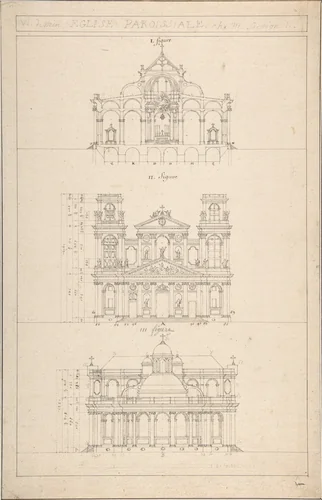
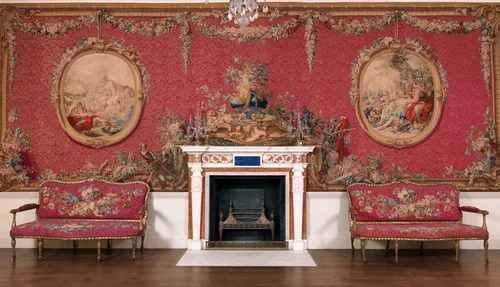
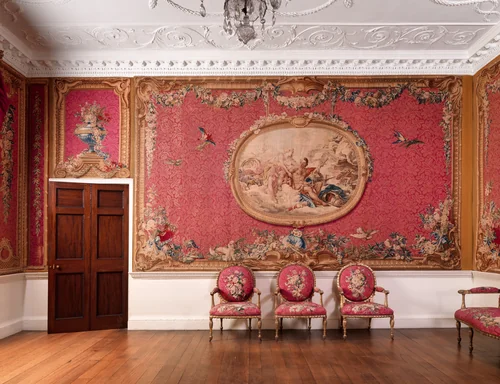
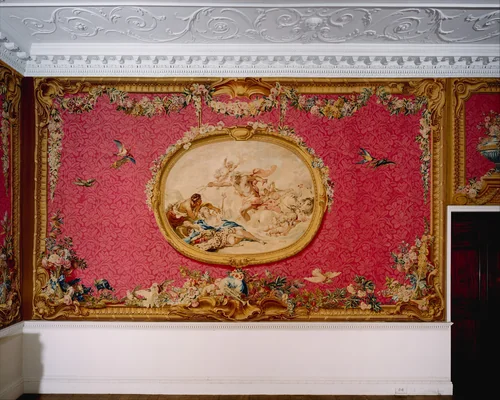
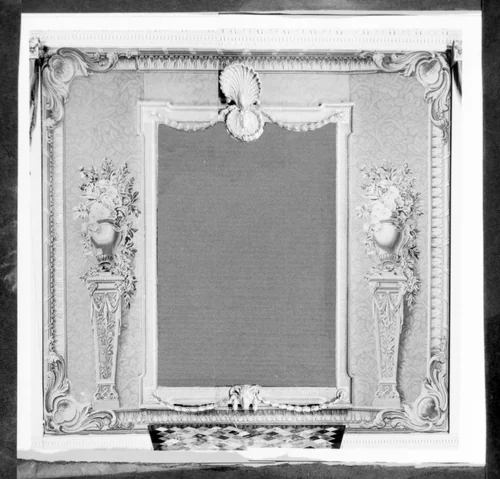
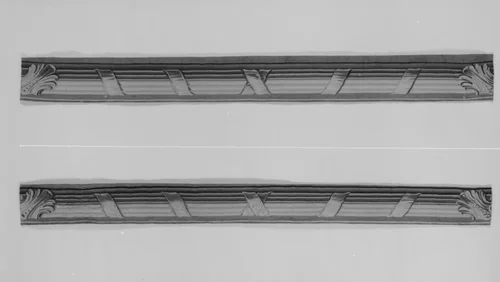
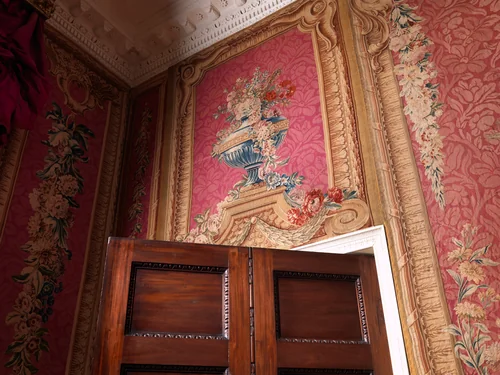
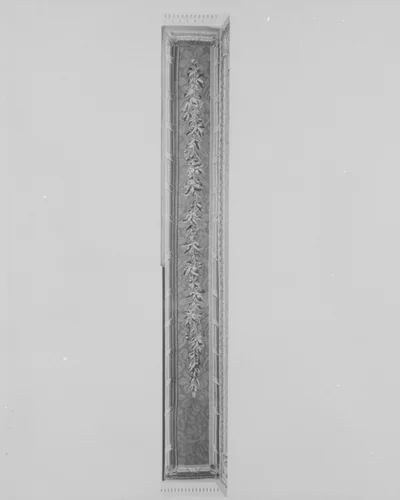
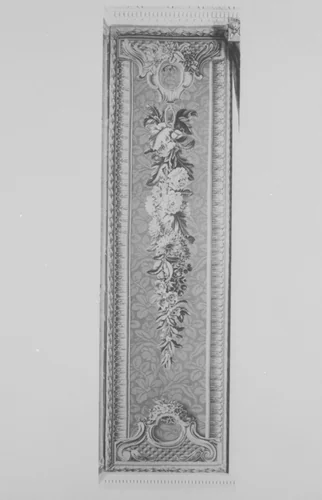
Although primarily an architect, his comprehensive involvement in design extended to the decorative arts, an essential practice for high-status eighteenth-century designers. This scope is evidenced through surviving preparatory studies, such as the Drawing of Interior, Façade, and Rear of Church, and his intricate textile patterns. These decorative pieces, some now residing in collections like the Metropolitan Museum of Art, include detailed allegories of the elements, featuring classical mythological scenes like Allegories of Air (Cephalus and Aurora) and Earth (Vertumnus and Pomona). It is perhaps amusing that a man whose primary focus was on designing permanent, load-bearing stone monuments is today also recognized for these relatively ephemeral decorative works.
Soufflot’s commitment to precision and balance ensures his indelible place in the architectural canon. For scholars and admirers, his technical drawings and decorative work remain vital sources for understanding the aesthetic transition between the Baroque and the Enlightenment. While Soufflot paintings are rare, his detailed architectural and ornamental drawings are sometimes available as museum-quality, downloadable artwork, placing his intellectual rigor within the public domain for study and appreciation. The clarity and authority of his vision continue to define Parisian monumental architecture.
Source: Wikipedia · CC BY-SA 4.0