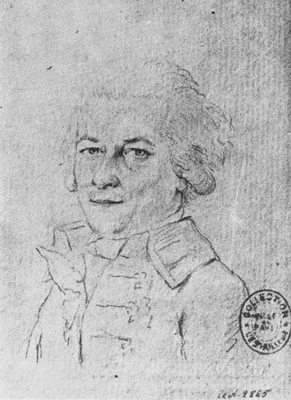
Jacques François Blondel
Jacques François Blondel (1715-1771) stands as one of the most significant figures in 18th-century French architectural education, a highly influential architect and theorist whose pedagogy shaped the transition toward nascent Neoclassicism. His enduring legacy rests on his ability to systematize architectural principles, moving them from the atelier into the public academic sphere.
Before achieving the pinnacle of institutional acceptance, Blondel successfully operated his own highly respected private school of architecture. This lengthy practical experience as an instructor provided the foundation for his comprehensive published works. In 1762, this demonstrated expertise was officially recognized with his appointment as Professor of Architecture at the prestigious Académie Royale d'Architecture.
Blondel's theoretical contributions culminated in his massive treatise, Cours d'architecture. The importance of this publication cannot be overstated; it effectively superseded an earlier, similarly titled, and respected work published in 1675 by François Blondel, who had occupied the same post nearly a century prior. That Jacques François Blondel was able to displace the foundational text of a famous namesake signals the sheer intellectual authority and comprehensive scope of his own theoretical framework for 18th-century design.
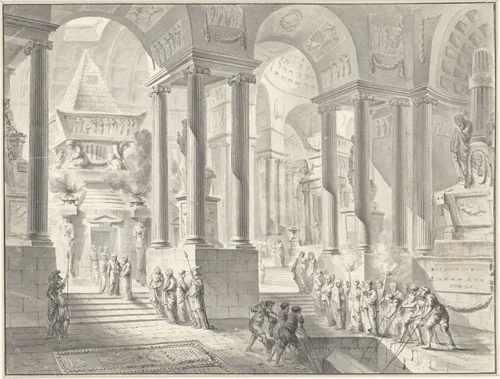
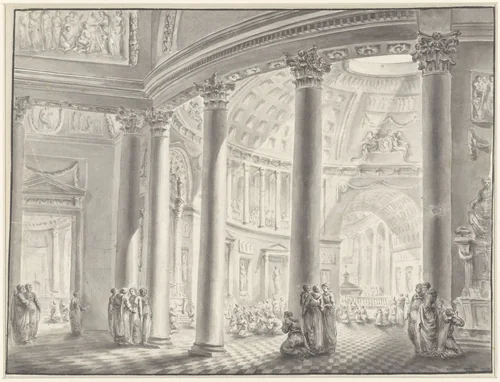
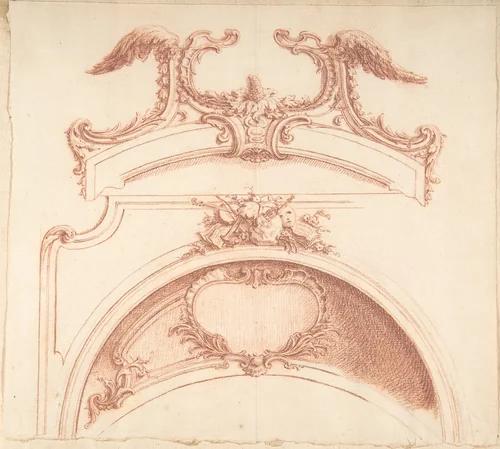
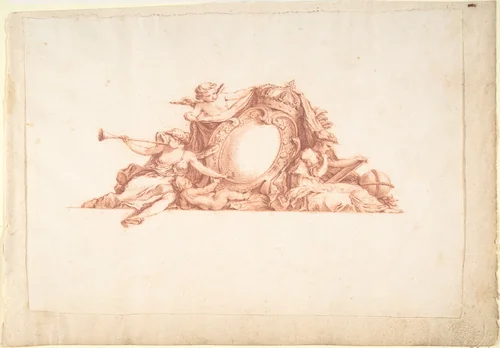
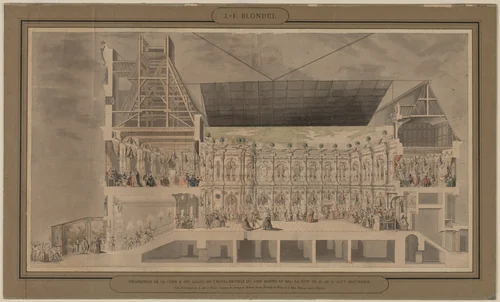
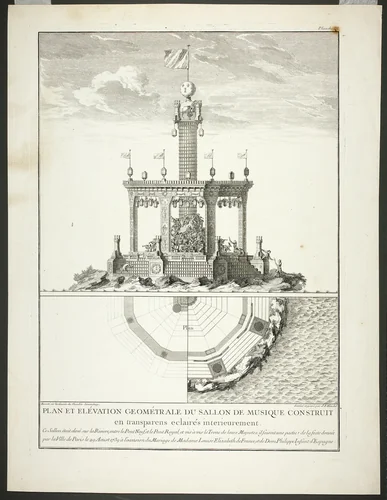
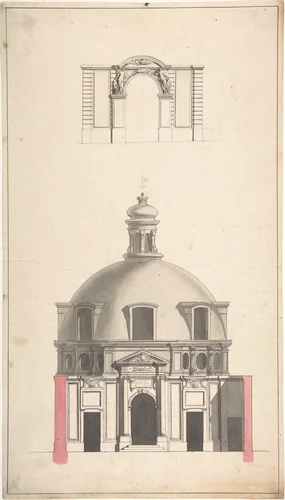
His work was inherently didactic, demanding precision in geometry and draftsmanship. Collections today, including the Metropolitan Museum of Art and the Rijksmuseum, hold numerous studies and renderings directly related to his publishing projects, such as Preparatory Studies for Plates 90 and 91 of "Maisons de plaisance," Volume II. These detailed studies, alongside evocative compositions like Begrafenis in een gefantaseerd klassicistisch interieur, are essential records of 18th-century design methodology.
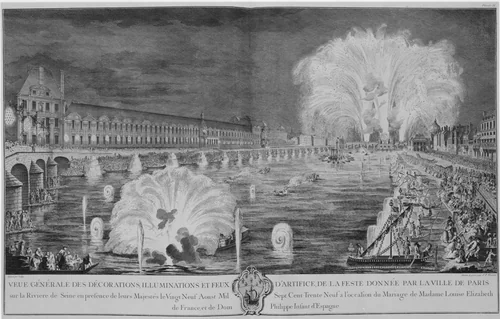
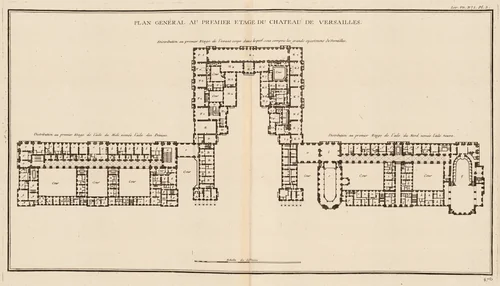
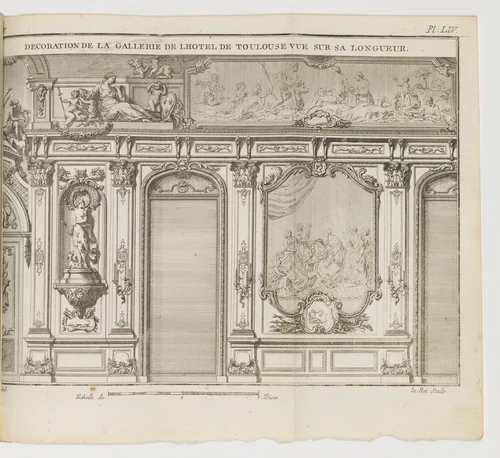
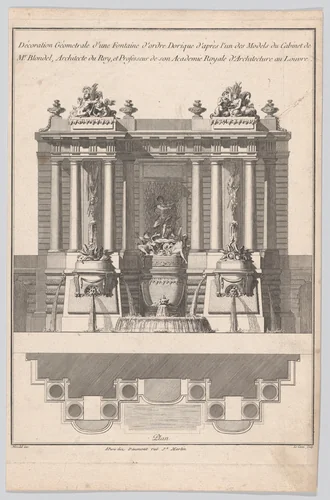
As a master of architectural rendering, Blondel meticulously documented classical structure and ornamental design. His rigorous approach to visual documentation makes these Jacques François Blondel prints and drawings valuable not just for their aesthetic merit but as historical templates. Due to their institutional housing, many of these detailed renderings are now available as downloadable artwork, providing enthusiasts and scholars access to high-quality prints that exemplify the refinement of the Ancien Régime and the exacting standards of its principal architectural educator.
Source: Wikipedia · CC BY-SA 4.0