Jacques Firmin Beauvarlet
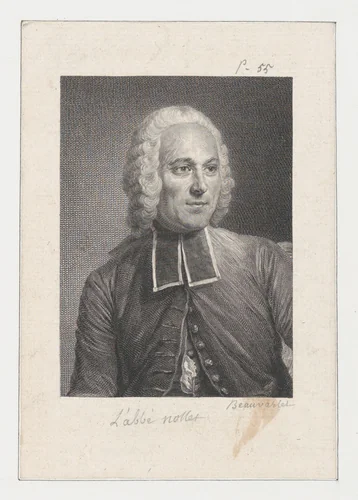
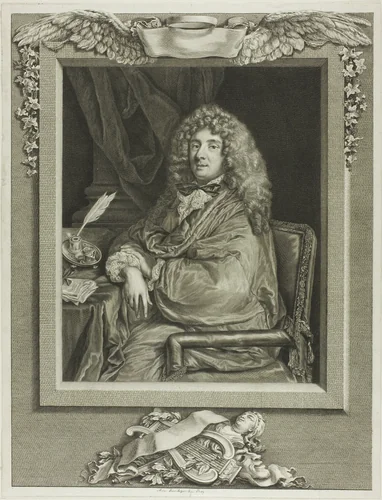
Jacques Firmin Beauvarlet (1731-1797) was a highly regarded French engraver whose refined technical skill helped define the aesthetics of mid-to-late eighteenth century reproductive printmaking. Born in Abbeville, he quickly migrated to Paris, securing instruction under the guidance of respected masters Charles Dupuis and Laurent Cars. Beauvarlet’s prolific output cemented his position, and his works are today held in major international collections, including the Metropolitan Museum of Art, the National Gallery of Art, and the Art Institute of Chicago.
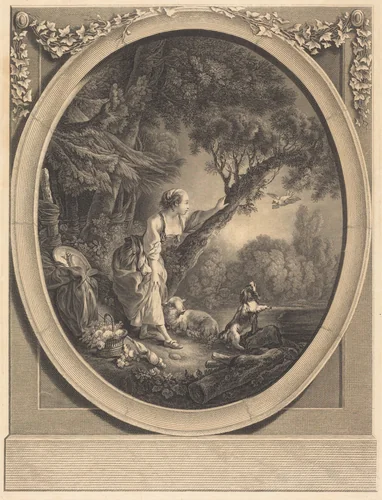
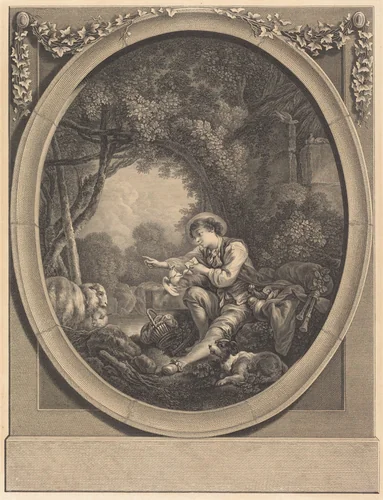
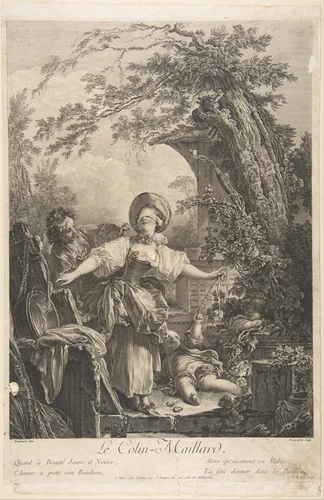
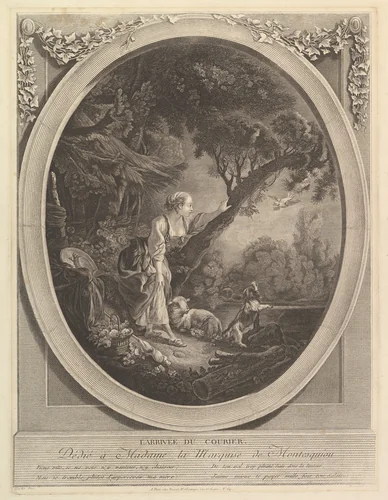
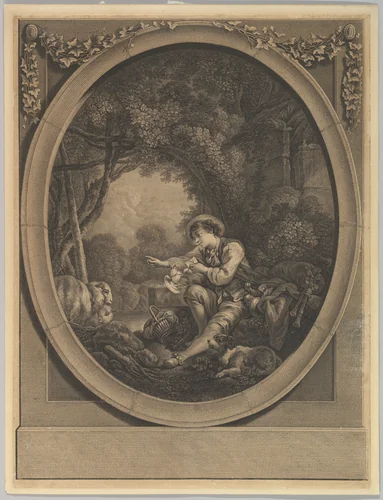
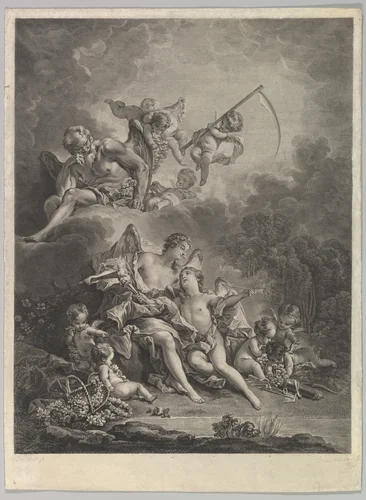
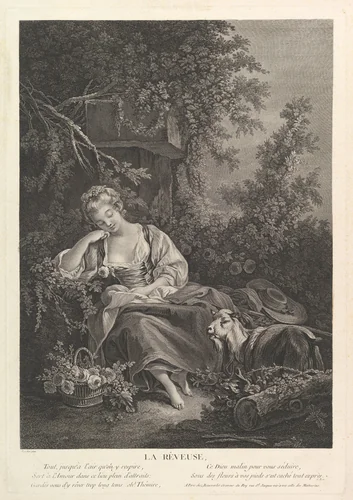
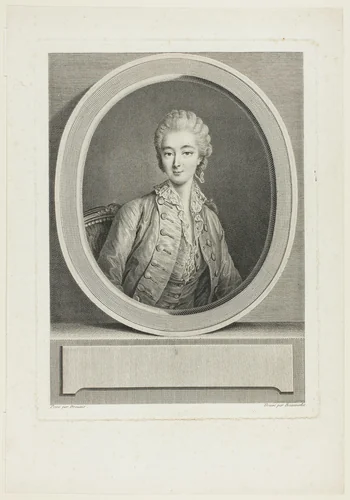
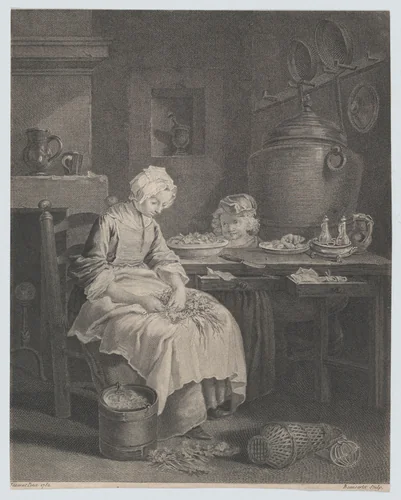
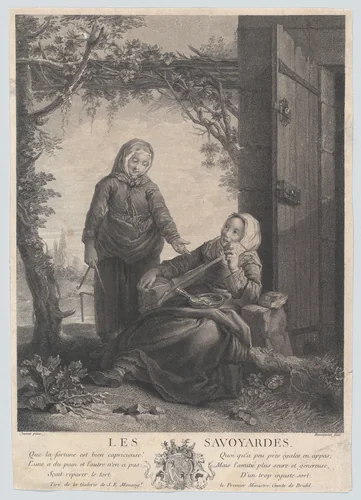
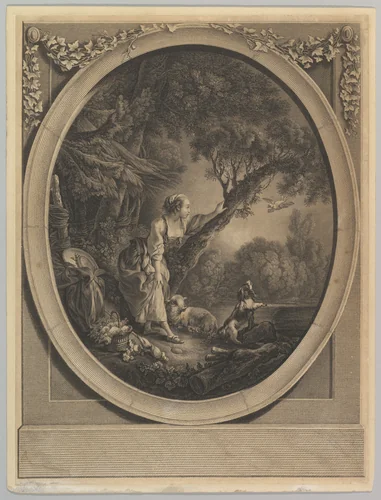
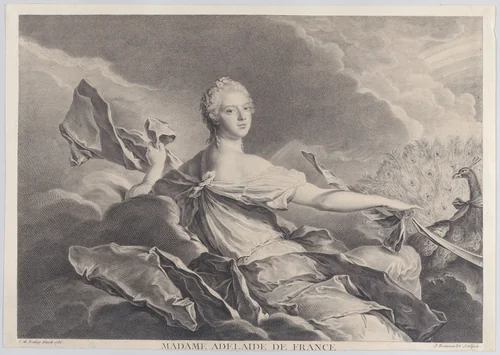
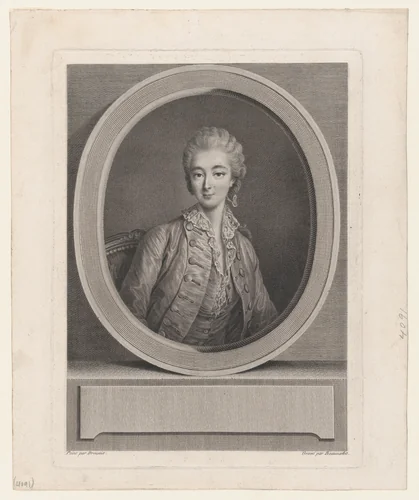
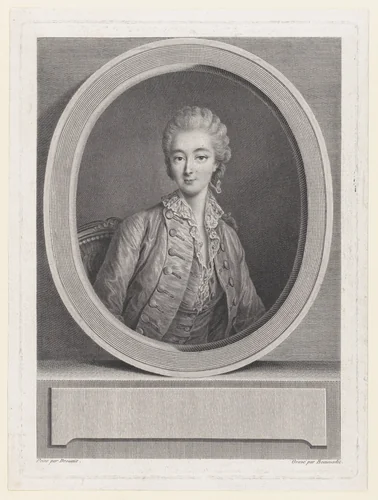
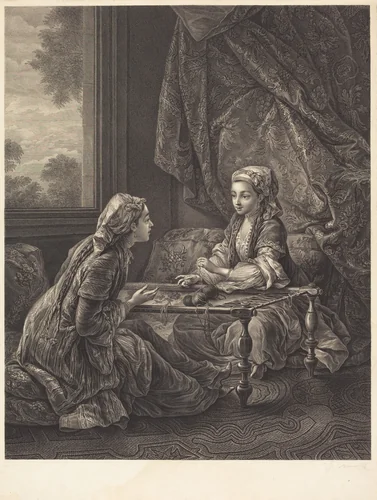
Beauvarlet’s career is marked by a deliberate shift in technique. His initial plates were described by contemporaries as possessing a "bold and free" character, a spontaneous approach favored by some for its energetic immediacy. Yet, as his career matured, he transitioned to a painstaking, highly-wrought style. These later prints, while demanding immense patience, exhibit the extreme neatness and delicacy for which he became famous. This evolution is evident in genre scenes such as L'Arrivée du Courrier and Le Départ du Courrier, works that required precise detailing to translate painted compositions into reproducible, high-quality prints.
Throughout his active decades, Beauvarlet engraved at least fifteen major plates, contributing significantly to the dissemination of popular images across Europe. Though primarily a reproductive engraver, his meticulous standardization of image quality made his work essential to the print economy of the era.
A curious footnote to Beauvarlet’s personal life reveals a profound connection to his vocation. He was married three times—in 1761 to Catherine Jeanne Françoise Deschamps, and later to Marie Catherine Riollet—and in each instance, his wife was also a professional engraver. This established a remarkable household tradition where the technical dialogue of copperplate and burin was truly continuous. Today, the legacy of Beauvarlet endures; many Jacques Firmin Beauvarlet prints and associated images are readily available in the public domain, making this historically significant downloadable artwork accessible for modern viewers and researchers.
Source: Wikipedia · CC BY-SA 4.0