Jacques de Gheyn II
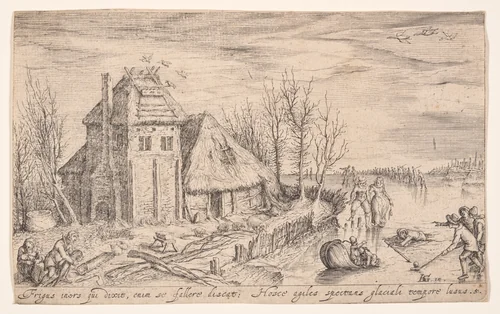
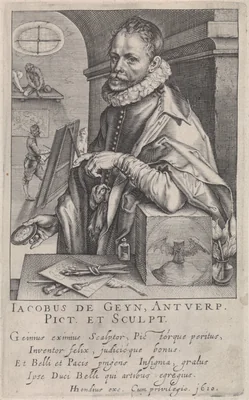
Jacques de Gheyn II (1565-1629) stands as a pivotal figure in Northern European art, charting the critical stylistic shift from the florid exuberance of Northern Mannerism towards the observational precision of emerging Dutch realism. Known primarily as a highly sophisticated draftsman and engraver, his extensive output captures the dramatic societal and aesthetic changes occurring around the turn of the seventeenth century. His works, which include both paintings and high-quality prints, remain benchmark examples of Dutch draftsmanship, held in major international collections, including the Metropolitan Museum of Art and the National Gallery of Art.
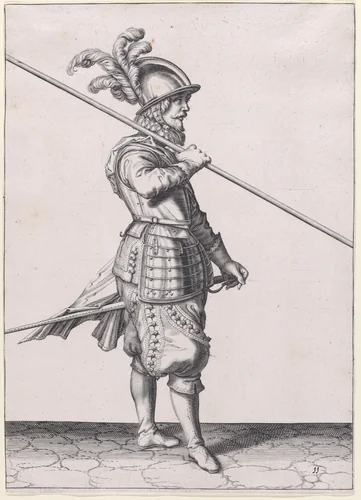
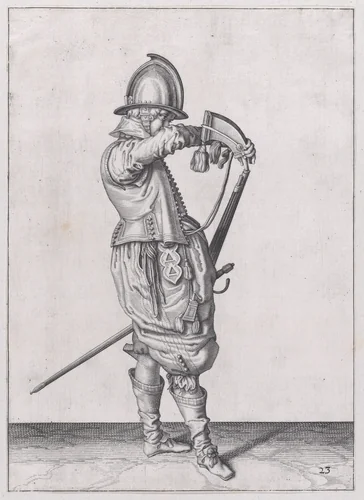
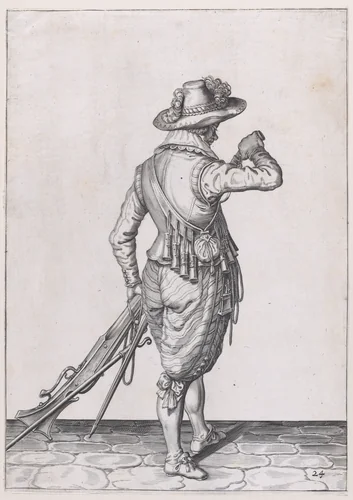
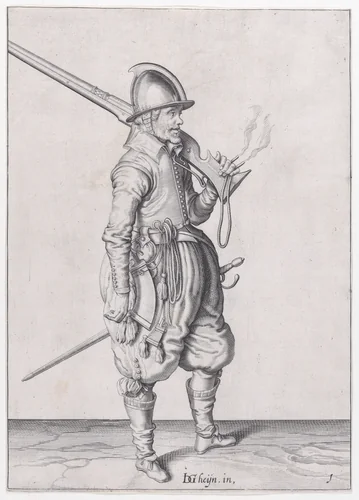
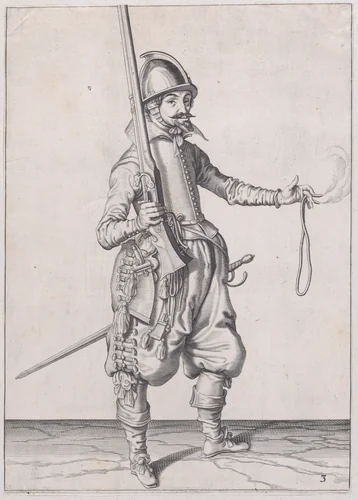
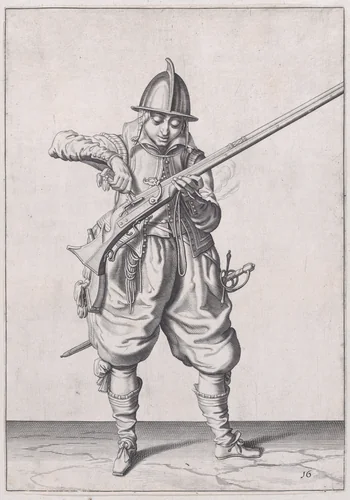
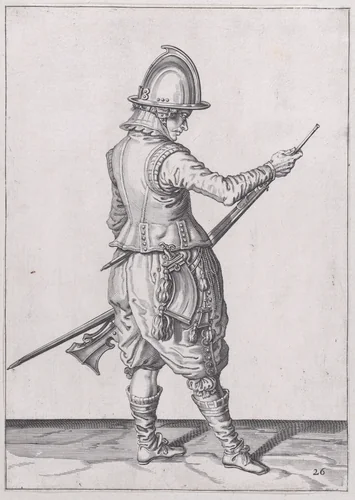
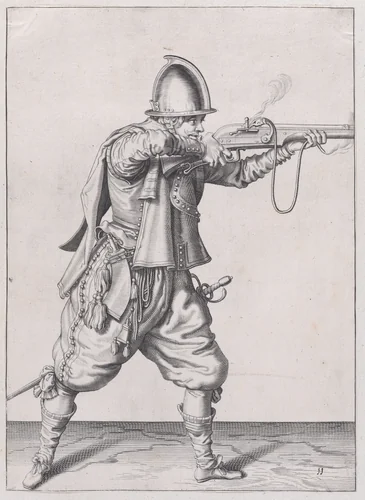
De Gheyn II demonstrated extraordinary versatility, moving adeptly between wildly different subject matters, from the macabre to the instructional. He explored the darker edges of mythological and philosophical inquiry, evidenced by startling compositions such as Witchcraft Scene with a Vampire [recto] and the classical pairing Bacchus and Ceres. Simultaneously, he engaged in what was then considered revolutionary applied art. His highly influential series, Wapenhandelinghe van Roers Musquetten Ende Spiessen (The Exercise of Arms), published in 1607, codified the standard European military drills of the period.
Plates drawn from this manual, such as A soldier shaking the powder from the top of the pan and A soldier blowing on a match, are more than mere technical instruction; they are crucial exercises in meticulous human observation. De Gheyn II managed the rare feat of making military pedagogy visually compelling, demonstrating a commitment to realistic posture and costume that solidified his transitional role in art history. His detailed approach, while grounded in precision, sometimes lends his figures an air of wry theatricality, as if the musketeers knew they were posing for posterity.
The technical excellence and historical importance of the originals ensure that Jacques de Gheyn II prints remain subject matter for serious study. Today, thanks to the age and prominence of his oeuvre, a substantial body of his work is in the public domain, making downloadable artwork widely accessible for researchers and collectors seeking royalty-free images.
Source: Wikipedia · CC BY-SA 4.0