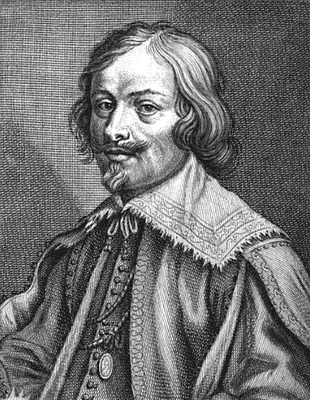
Jacques Callot
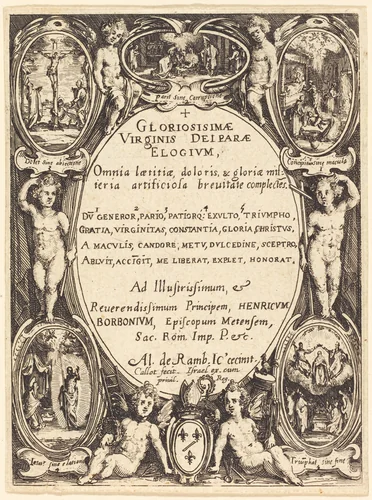
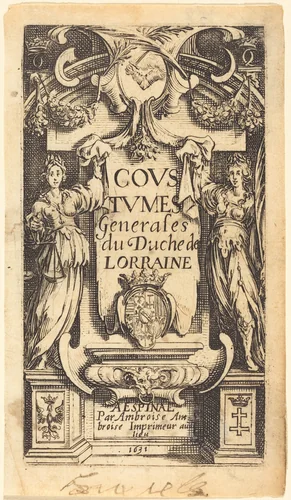
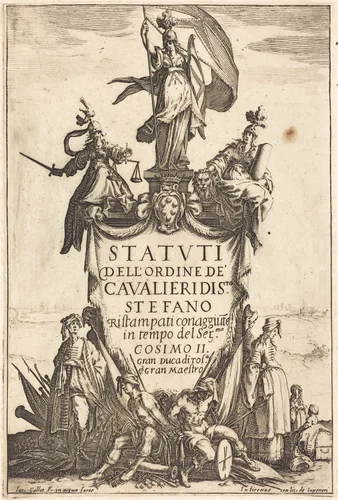
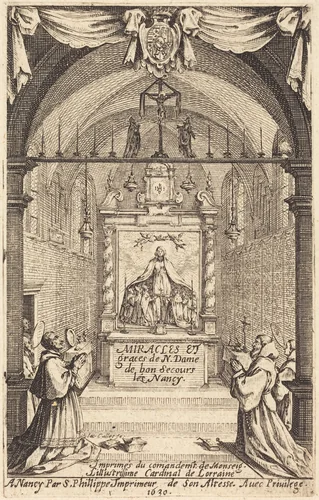
Jacques Callot, a pivotal Baroque printmaker and draftsman originating from the Duchy of Lorraine, holds an indispensable place in the evolution of the old master print. His achievement lies in his astonishing prolificacy and his innovative approach to etching, which captured the complexities of 17th-century European life with unprecedented detail and scope.
Callot’s dedication to the medium resulted in the creation of more than 1,400 etchings over his active period. This extraordinary catalogue not only showcases remarkable technical control but also provided a vital visual chronicle of his era, spanning the highest social strata and the lowest rungs of society. Unlike many contemporaries who focused solely on religious or mythological themes, Callot fearlessly turned his attention toward the diverse populations of the streets.
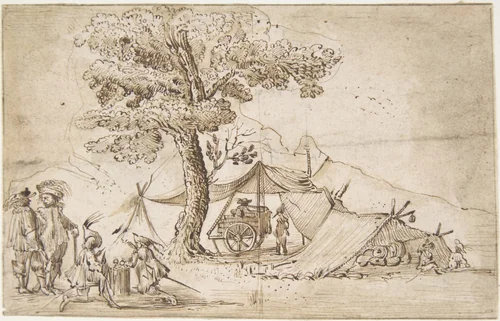
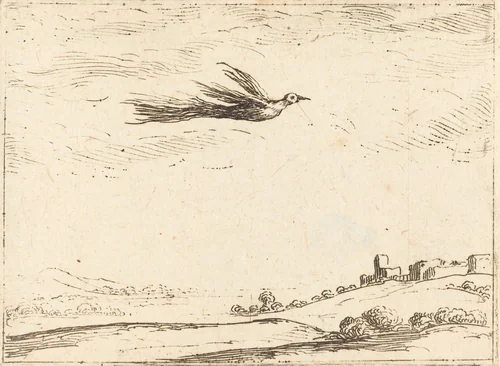
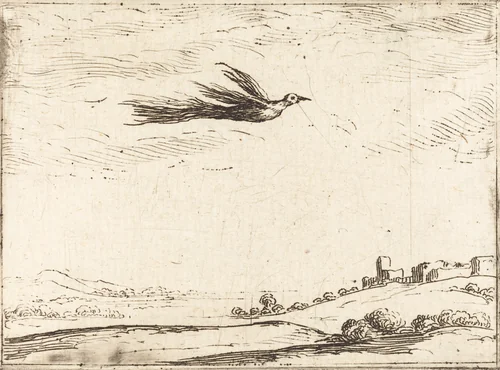
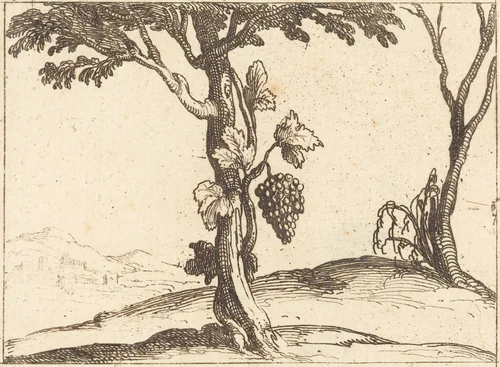
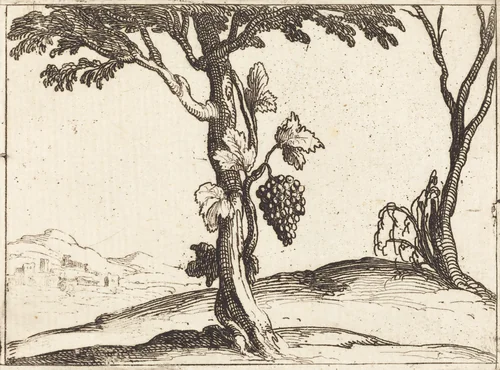
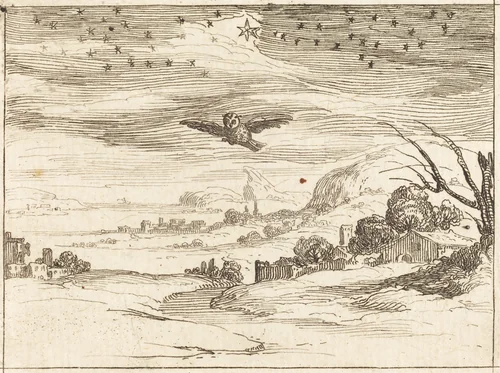
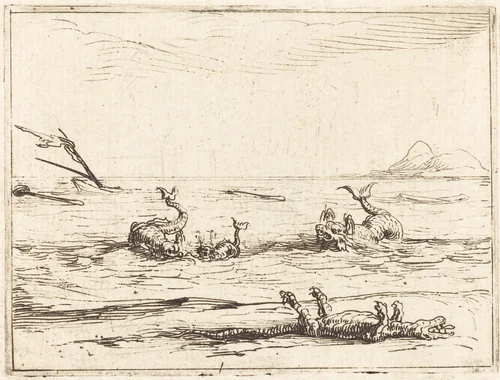
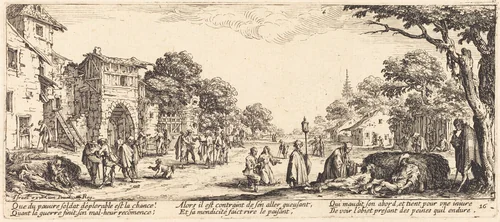
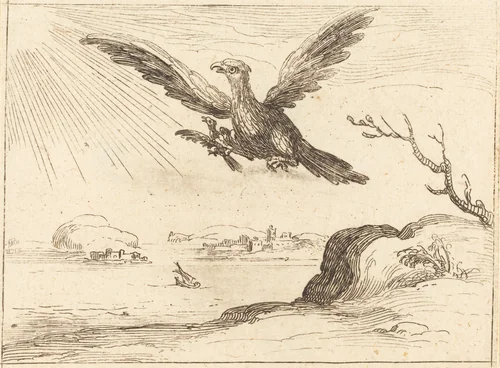
His body of work documents the full social spectrum, featuring scenes of soldiers in encampments—such as in A Bivouac—alongside highly detailed depictions of clowns, beggars, drunkards, and the Romani people. Conversely, he was equally adept at illustrating the intricacies of courtly affairs and large-scale military engagements. One of Callot’s defining traits was his ability to integrate extensive, atmospheric landscapes into the background of his figure studies. The sheer volume of material, from the elegant rendering of a Bird of Paradise to the earthy simplicity of a Bunch of Grapes, suggests the artist was possessed of an inexhaustible visual curiosity—or perhaps simply maintained a very rigorous daily etching schedule.
Callot’s influence extended widely across Europe, cementing his reputation as a master draftsman whose technical precision elevated the printmaking process. Today, these high-quality prints are considered essential examples of Baroque narrative art, held in major institutions including the National Gallery of Art and the Metropolitan Museum of Art. Because much of his prolific work is now in the public domain, the comprehensive scope of Jacques Callot prints remains easily accessible for scholarly study and appreciation.
Source: Wikipedia · CC BY-SA 4.0