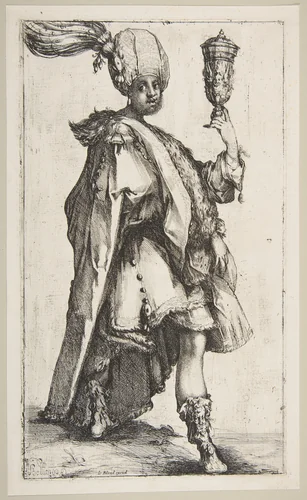
Jacques Bellange
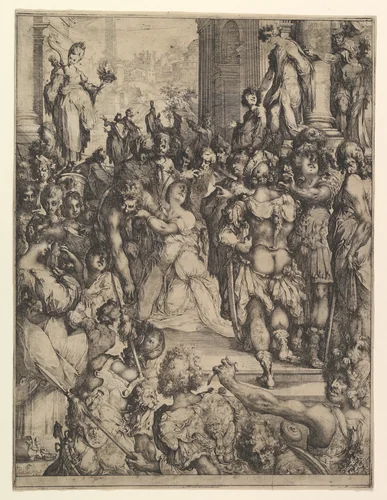
Jacques Bellange (c. 1575–1616) stands as one of the most distinctive printmakers of Northern Mannerism. Based in the Duchy of Lorraine, his corpus of twelve etchings and a handful of surviving drawings represents a highly personalized and striking contribution to the visual arts of the late sixteenth century. Though he enjoyed considerable status, serving fourteen years as court painter to two Dukes of Lorraine in the capital city of Nancy, his contemporary fame rests solely upon these graphic works.
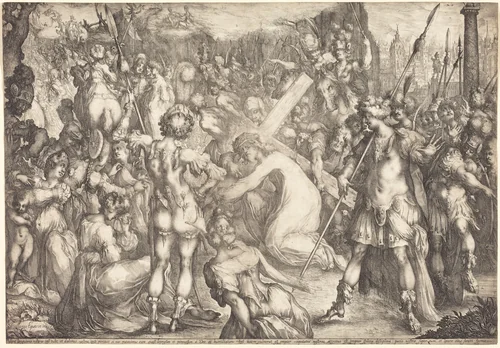
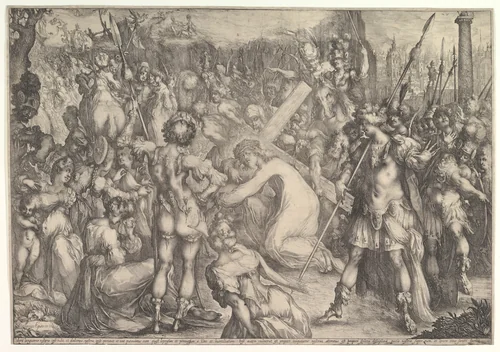
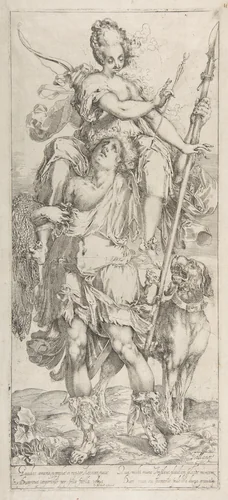
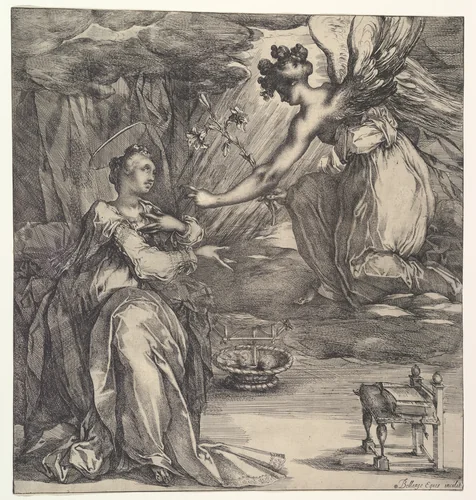
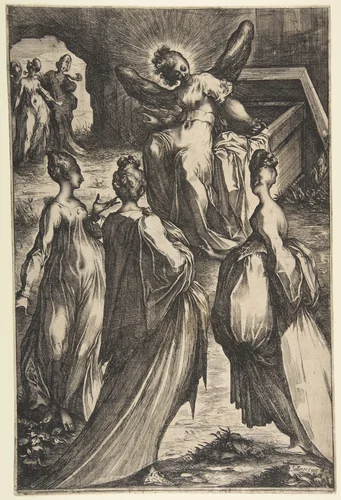
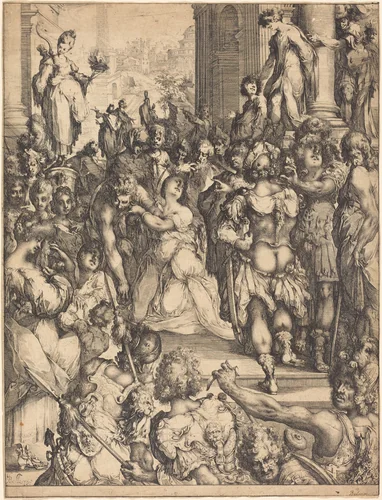
Bellange’s official court role required him to execute large-scale commissions, yet none of his documented Jacques Bellange paintings have survived the intervening centuries, creating a curious imbalance in his documented output. His primary legacy consists of his etched works, mostly focused on Catholic religious subjects, such as Christ Carrying the Cross, along with mythological scenes like Diana and Orion. Critically, almost all of these prints were produced during a remarkably compressed period, seemingly within the last three or four years of his life before his death at around age forty. This sudden, prolific flurry of activity contrasts sharply with his long, established tenure at court.
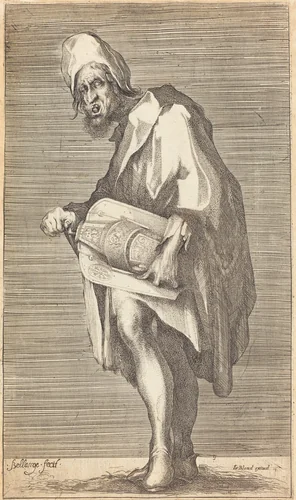
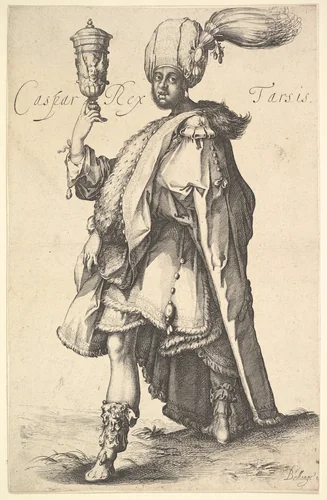
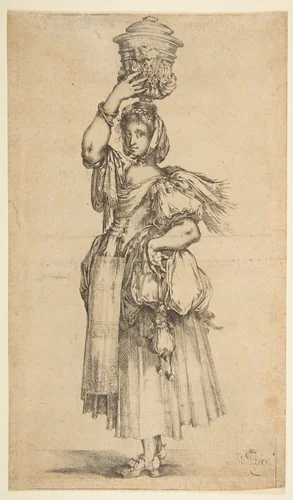
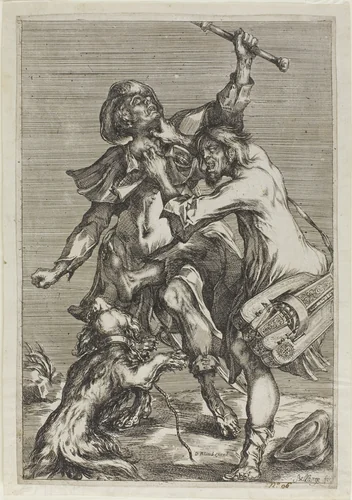
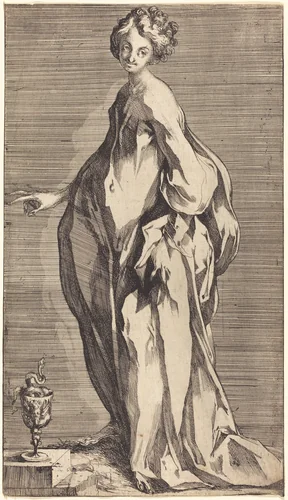
Bellange’s individual style is instantly recognizable, characterized by elongated figures, dramatic gestures, and a unique, almost theatrical, approach to narrative. Works like the figures in his Hortulanae series, such as Gardener, exemplify the sophisticated individuality of his line work and compositional flair. Although his prints were known to collectors immediately following his death, he fell out of critical favour for most of the ensuing period. It was not until the early twentieth century that Bellange was rediscovered and finally afforded the recognition due to such a sophisticated draughtsman.
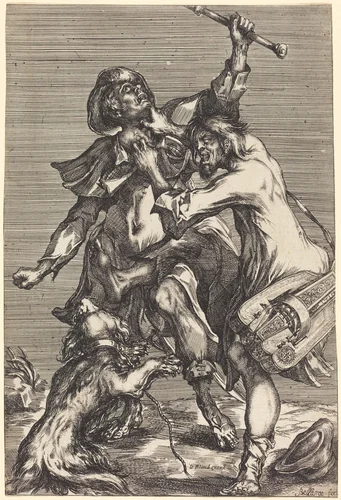
Today, his rare originals are highly prized museum-quality assets held in major global institutions, including the National Gallery of Art and the Metropolitan Museum of Art. The legacy of Bellange’s artistry is now more broadly accessible, with high-quality prints derived from his work frequently entering the public domain, allowing institutions to offer downloadable artwork freely to enthusiasts and scholars worldwide.
Source: Wikipedia · CC BY-SA 4.0
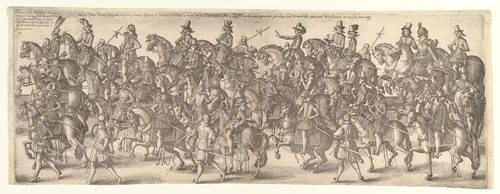
![Figures on Horseback [verso] by Jacques Bellange, drawing, 1594-1638](https://img.artbee.org/7a6619f9-db5b-4616-b95b-6ee0b8ec152f/small.webp)
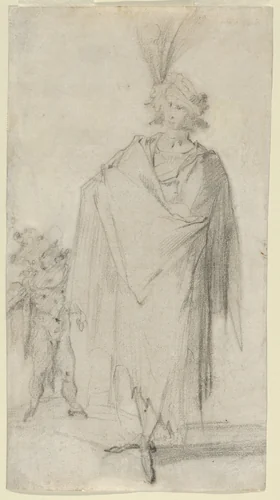
![Standing Figure [recto] by Jacques Bellange, drawing, 1594-1638](https://img.artbee.org/def8de65-979e-4913-b424-afc3adbb8b21/small.webp)