Jacques-Antoine Dassier
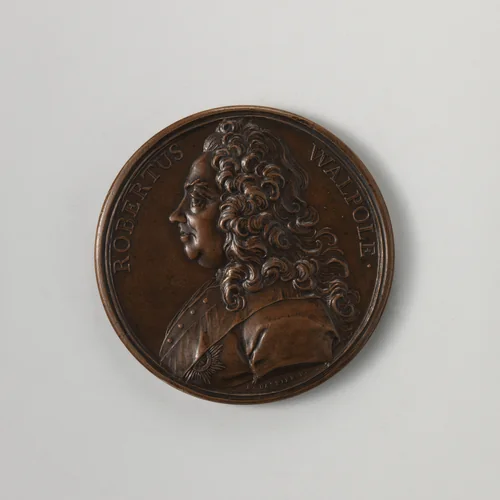
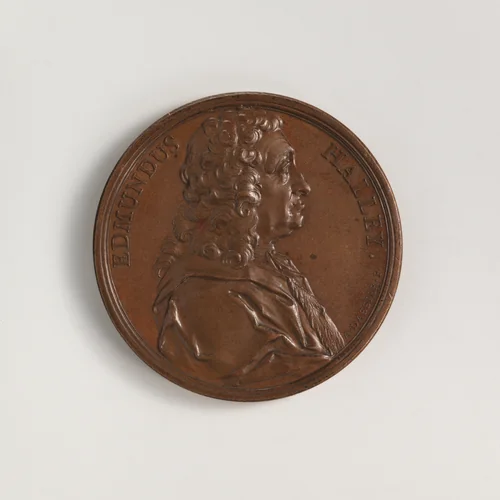
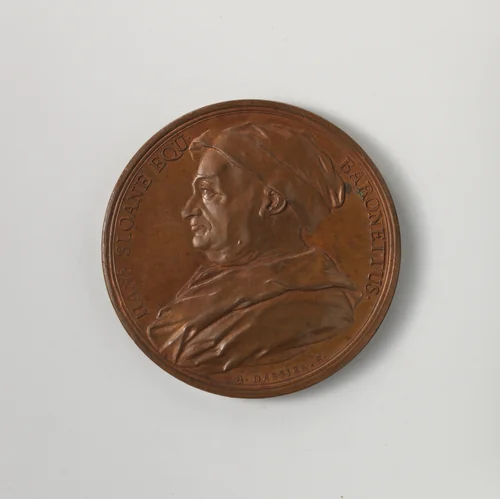
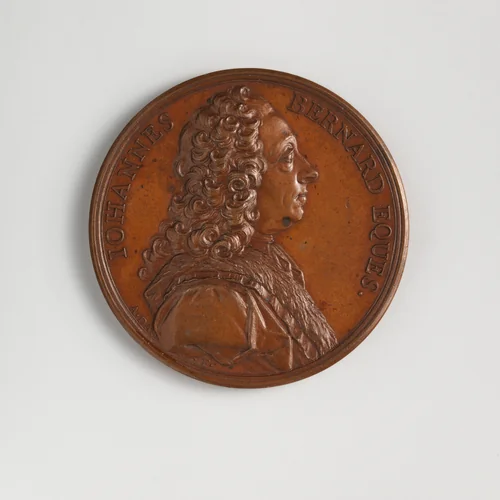
Jacques-Antoine Dassier (1715–1759) holds a distinguished position among eighteenth-century European medallists, recognized for his exquisite portraiture realized in metal. Born into a celebrated family of engravers in Geneva, Dassier achieved his most significant professional recognition during a highly productive period in Great Britain. Operating under the Anglicized name James Anthony Dassier, he executed a remarkable series of commissions in London between 1740 and the mid-1750s, successfully translating the grand scale of official portraiture into the demanding, smaller format of medallic art.
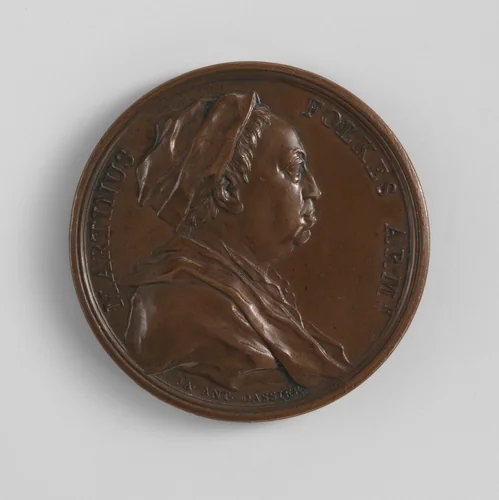
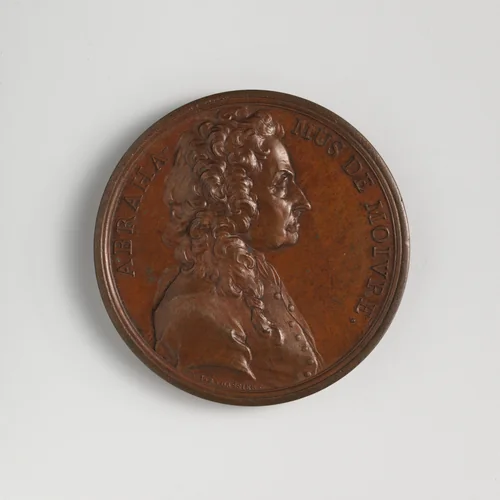
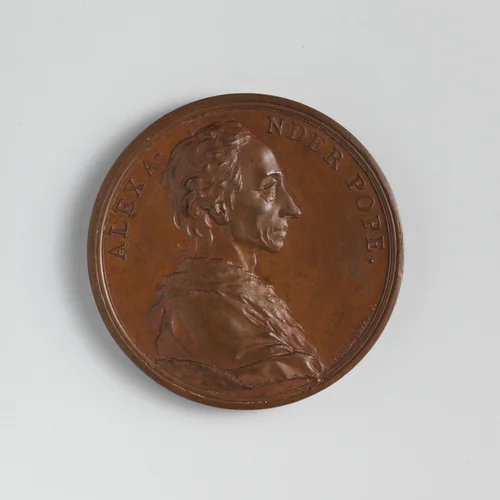
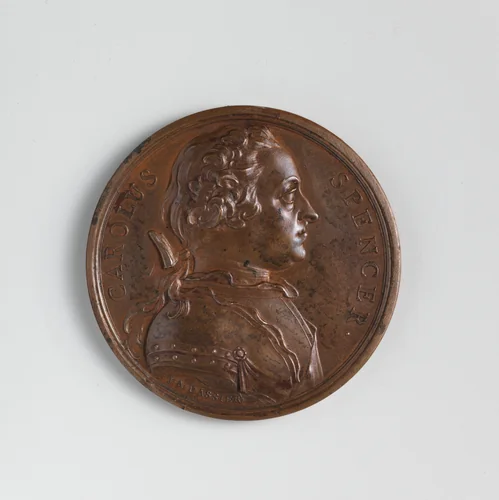
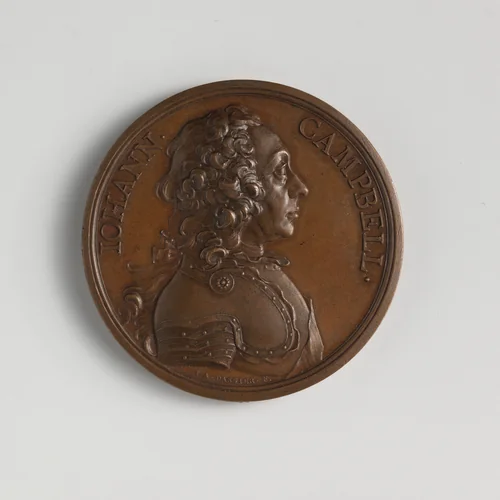
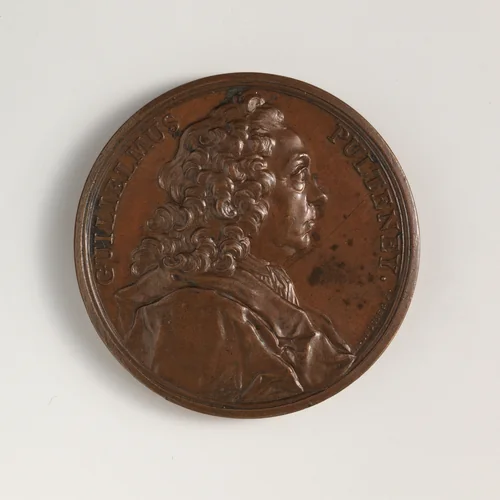
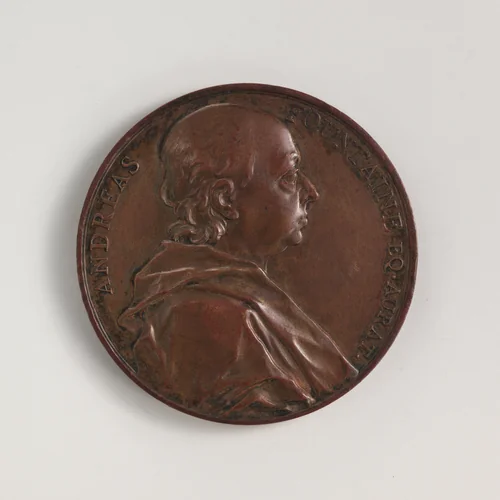
Dassier’s arrival in London coincided precisely with a high point of British Enlightenment culture. His skill set provided a tangible means of recording the era's foremost intellectual and aristocratic figures for posterity. Unlike many contemporaries who focused on mythological or allegorical subjects, Dassier dedicated his expertise almost exclusively to portrait medals, creating detailed and arresting depictions of influential persons. Among his most celebrated subjects are the astronomer and antiquarian Martin Folkes, the literary master Alexander Pope, and the groundbreaking mathematician Abraham de Moivre. These works, alongside his portraits of powerful figures such as Charles Spencer, the 3rd Duke of Marlborough, and John Campbell, the 2nd Duke of Argyle, serve as a vital iconographic record of Georgian society.
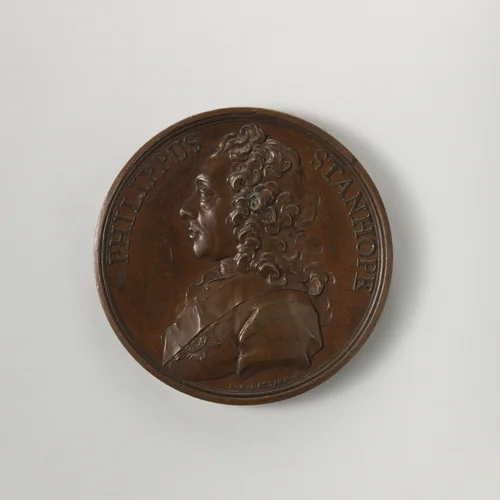
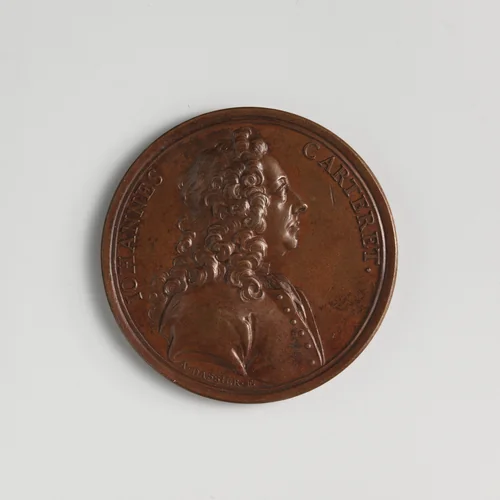
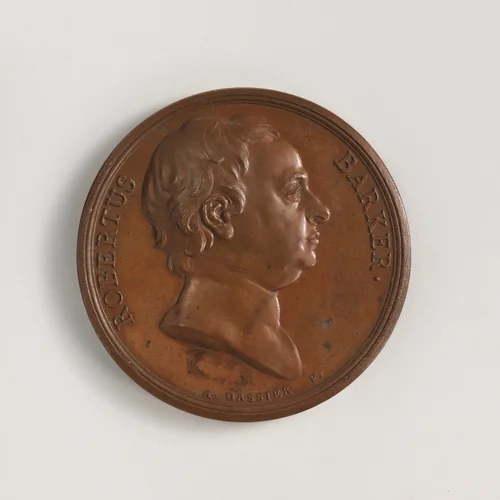
Dassier’s approach to metalwork reveals both technical rigor and subtle psychological insight. Characterized by high relief and meticulous finishing, his medals demonstrate a precision often associated with Continental training but adapted to the tastes of his British patrons. His surviving documented body of work, comprising at least fourteen cataloged metalworks, is now held in prestigious public collections, including the Metropolitan Museum of Art. Because of their historical and artistic significance, these masterful creations are increasingly available as downloadable artwork, allowing researchers and enthusiasts access to high-quality prints of his designs. The availability of these royalty-free images ensures that Dassier’s contribution to eighteenth-century portraiture remains widely accessible in the public domain, confirming his status as a key figure in British numismatic history despite his relatively short lifespan.
Source: Wikipedia · CC BY-SA 4.0