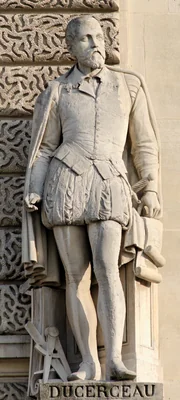
Jacques Androuet du Cerceau
Jacques I Androuet du Cerceau (1510–1584) stands as a foundational figure in the transplantation of the Italian Renaissance vocabulary onto French soil. Though later generations continued his prodigious design firm, Du Cerceau remains the patriarch of this influential family, instrumental in shaping the aesthetics of 16th-century France. Operating during a pivotal moment of cultural exchange, he worked alongside leading contemporaries like Pierre Lescot, Philibert Delorme, and Jean Bullant to formalize a new national architectural style.
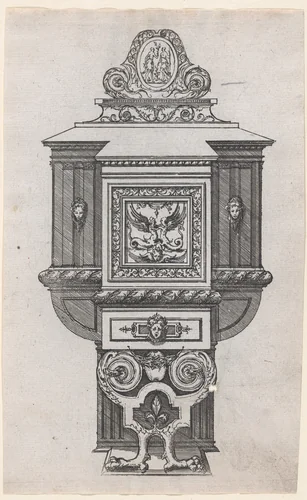
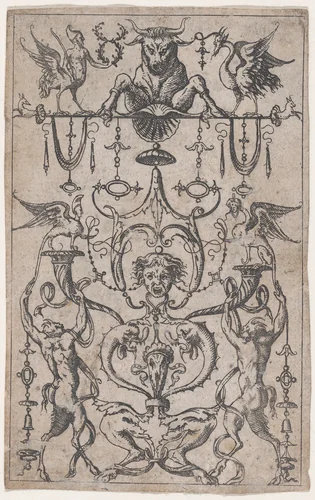
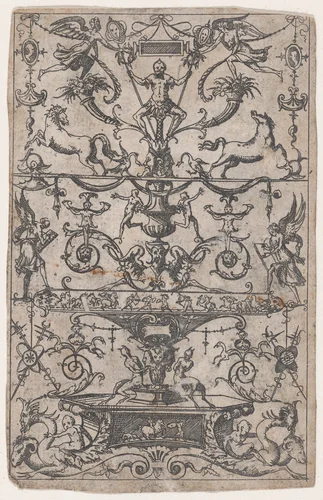
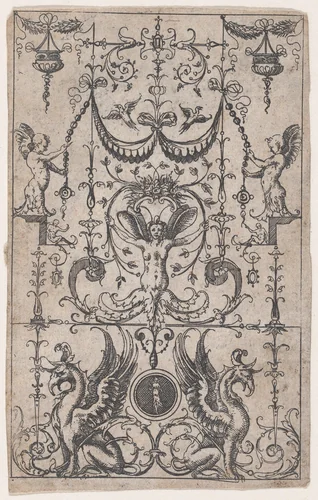
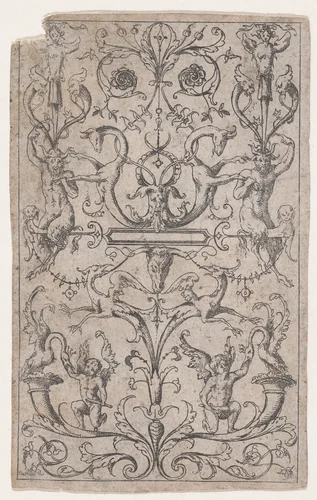
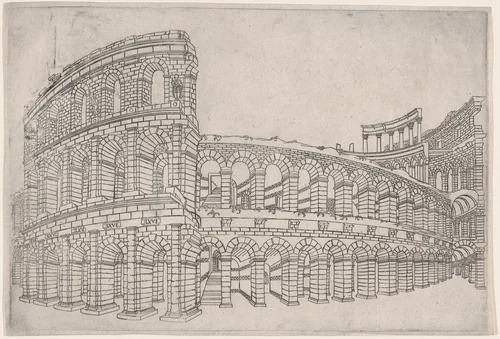
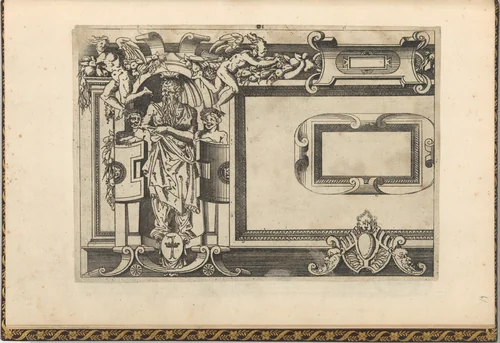
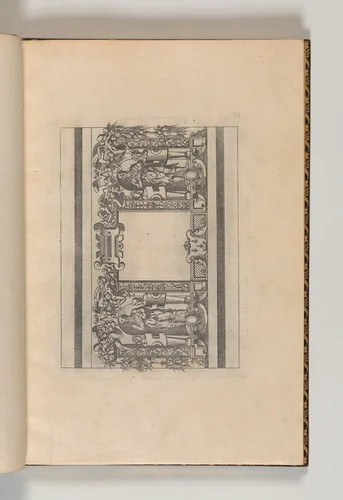
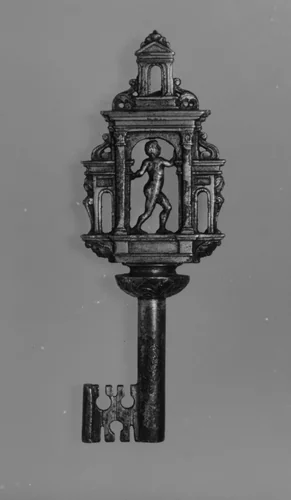
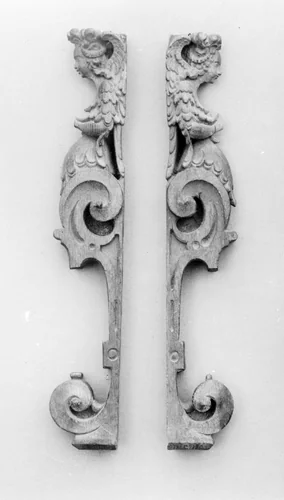
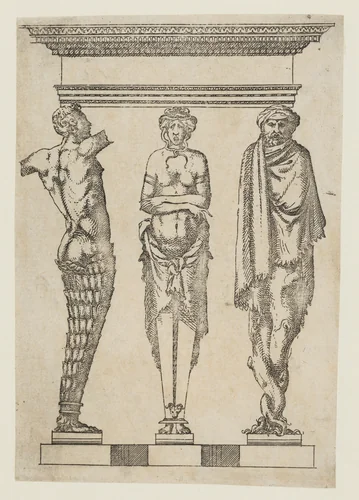
While his contemporaries frequently referred to him as architecte and he held the official title of architecte du roi, Du Cerceau’s enduring legacy rests less on executed masonry and more on the democratic power of the printing press. From 1549, operating his own printshop in Orléans, he produced extensive, systematic suites of engravings detailing architecture, ornamental flourishes, furniture, and intricate metalwork. These reproducible templates circulated widely, becoming the standard reference source for French craftsmen and patrons seeking the novel Renaissance mode. It is perhaps the highest irony of his career that the title of royal architect is overshadowed by the ubiquity of his documentation.
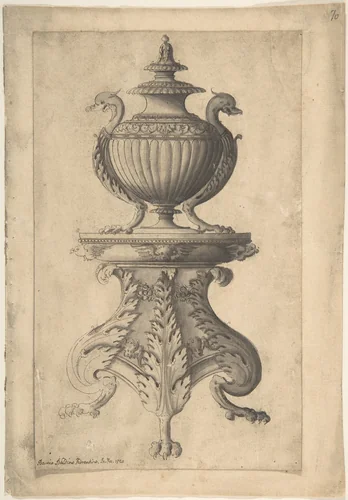
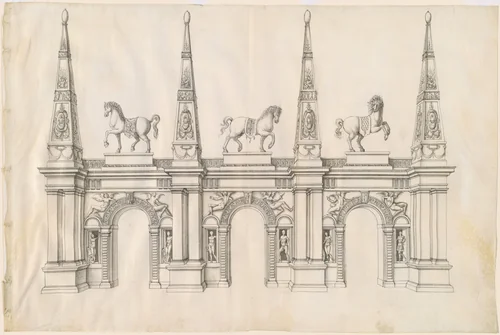
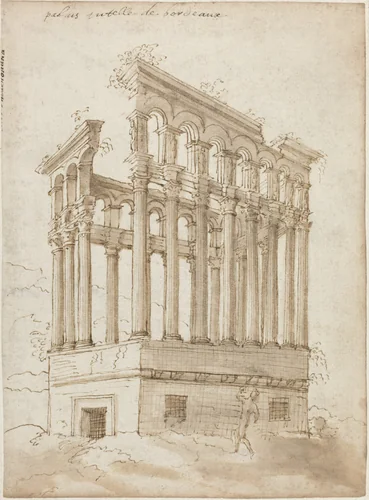
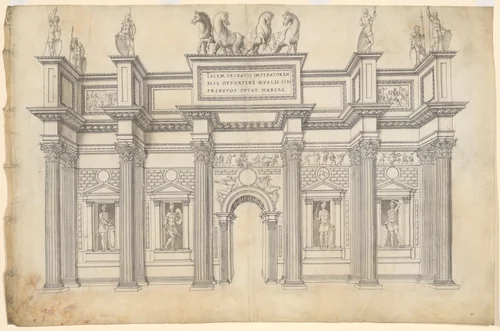
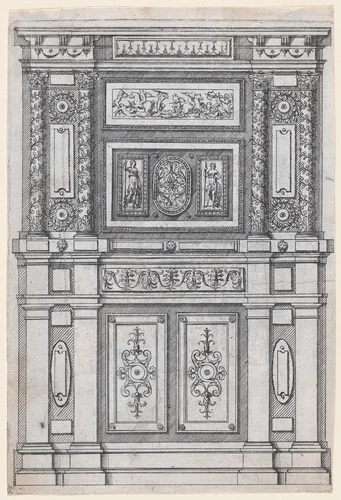
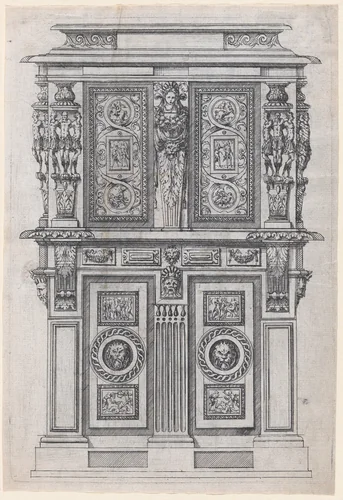
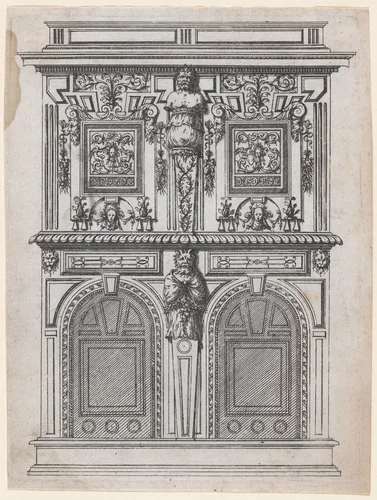
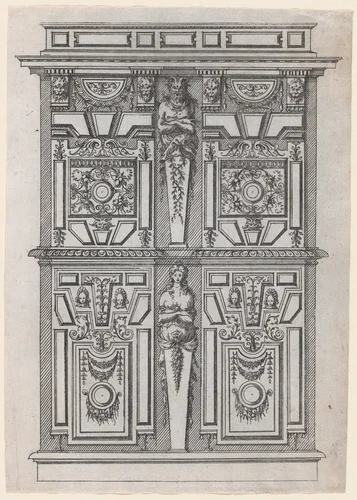
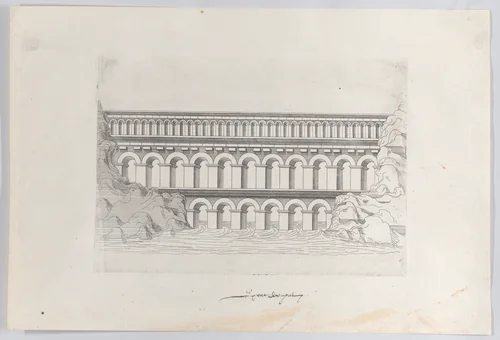
His vast output encompassed the entirety of the built environment, ranging from the grand scale of the A Triumphal Arch with Caparisoned Horses and Ornamented Pinnacles and urban planning projects like The "Palais Tutelle" near Bordeaux, to detailed decorative elements such as the Covered Vase on a Three-Footed Pedestal and specialized Furniture Design. His ability to visualize and meticulously document these diverse objects ensured his lasting influence among designers. Today, the detailed nature of Jacques Androuet du Cerceau prints and architectural drawings allows modern viewers unique access to the planning process of the French Renaissance.
The influence of his circulated plans and studies remains profound. Du Cerceau’s masterful studies of design are preserved in prestigious institutions such as the Metropolitan Museum of Art and the National Gallery of Art, forming a significant component of the public domain of Renaissance design history available today as high-quality prints.
Source: Wikipedia · CC BY-SA 4.0