Jacopo Zucchi
Jacopo Zucchi (1530-1563) stands as a distinct, yet sometimes overlooked, pillar of the mid-sixteenth century Italian art landscape. Grounded initially in the rigorous academic traditions of Florence, he quickly mastered the sophisticated aesthetic of the Mannerist movement. His professional trajectory spanned both his native city and the highly competitive patronage circles of Rome, providing him access to major commissions and influential workshops. The period witnessed Zucchi expertly translating the intellectual intensity of Florentine design into the expressive colorations and highly decorative schemas demanded by Roman aristocratic tastes.
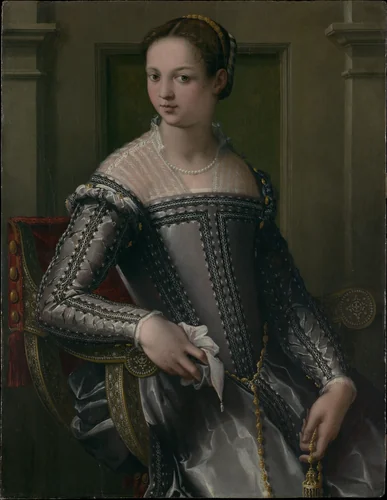
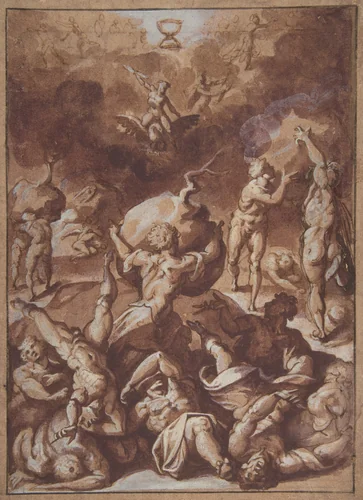
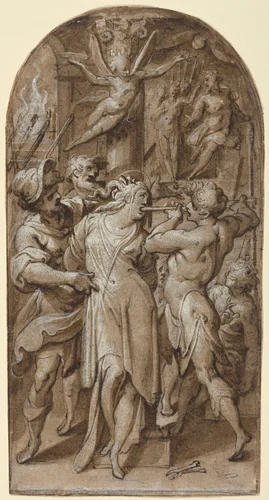
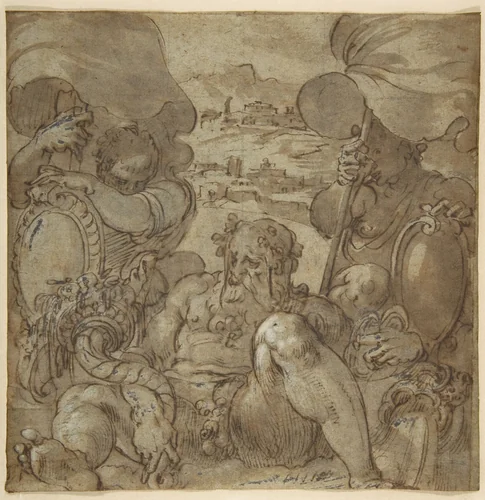
Zucchi’s output demonstrates a remarkable versatility, handling large-scale mythological narratives, complex religious tableaux, and incisive portraiture. While works like Portrait of a Woman adhere to contemporary standards of decorum and refinement, his larger compositions, such as Jupiter Fighting the Giants or the devotional intensity of The Martyrdom of Saint Apollonia, reveal his command of dramatic tension and compositional intricacy. Preliminary studies, including the highly specific Study for the Allegory of San Gimignano and Colle Val d'Elsa, showcase an artist committed to thorough preparation.
A critical appraisal of the full scope of Jacopo Zucchi paintings and drawings suggests that unlike some of his contemporaries whose final canvases could appear overly restrained, Zucchi’s original drawings often possess a surprisingly vigorous confidence, revealing the speed and certainty of his hand beneath the polished surfaces of his finished work. This dual approach illustrates the demands placed on the sophisticated Renaissance studio artist.
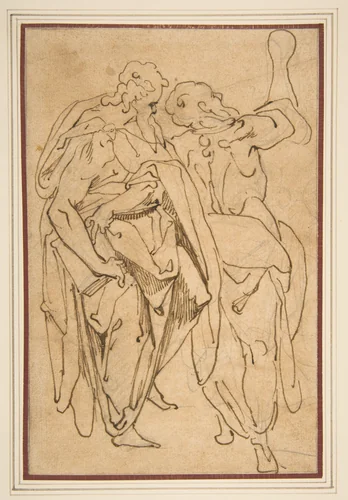
While Zucchi is properly represented in major institutional collections, including the Metropolitan Museum of Art and the National Gallery of Art, his contributions to high Mannerism are increasingly recognized for their historical weight and influence. Today, much of his preparatory material, including Two Standing Male Figures, is available in the public domain. The digitization of these collections allows researchers worldwide to access high-quality prints for study and preservation, providing essential context for understanding the pivotal artistic transition from mid-century Florentine elegance to the burgeoning Baroque dynamism that followed.
Source: Wikipedia · CC BY-SA 4.0