Jacopo Tintoretto
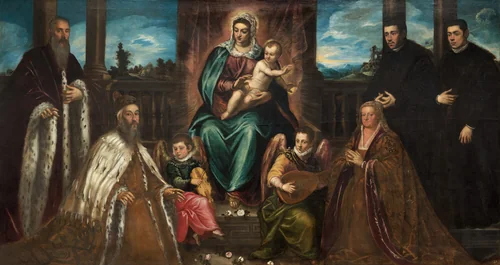
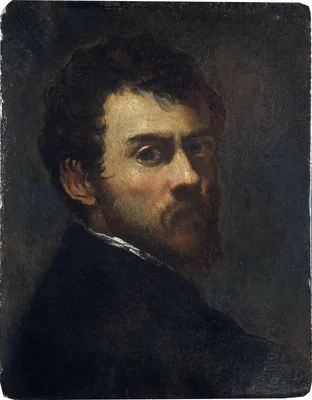
Jacopo Robusti, universally known as Tintoretto, holds a singular position in the history of the Venetian school, serving as the essential link between the classicism of the High Renaissance and the emotional fervor of late sixteenth-century Mannerism. Active for over five decades, from approximately 1519 to 1574, Tintoretto operated with a legendary, almost competitive energy that left a profound mark on the period.
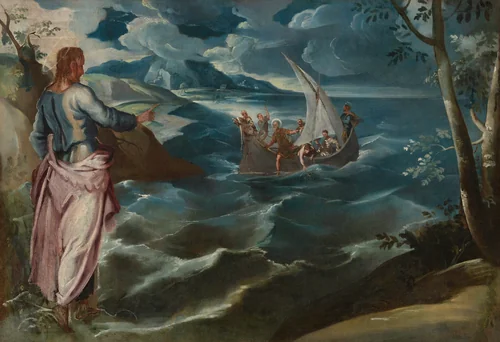
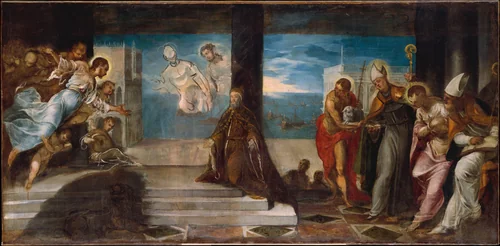
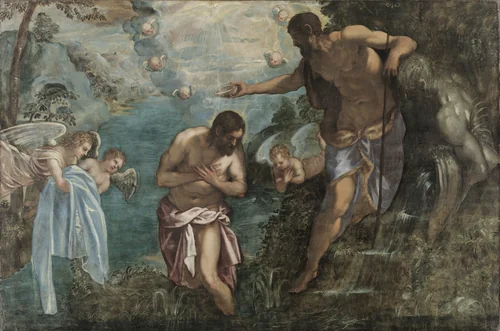
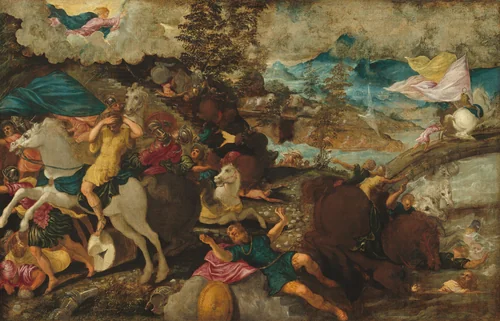
His contemporaries were captivated, yet often polarized, by the rapid execution of his canvases and the unprecedented boldness of his painterly attack. This phenomenal speed earned him the enduring moniker il Furioso. This intense velocity translated directly into his style, which is defined by muscular figures in complex contrapposto, dramatically theatrical gestures, and an experimental use of dynamic, often disorienting, perspective. This bold geometry is readily apparent in religious compositions like The Conversion of Saint Paul, where light and space are manipulated to maximize spiritual drama.
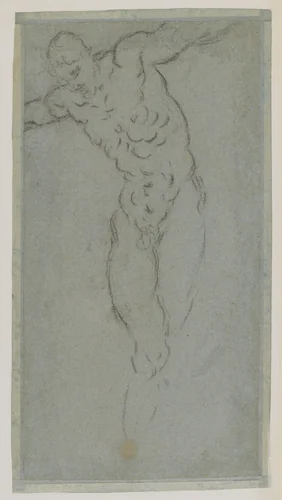
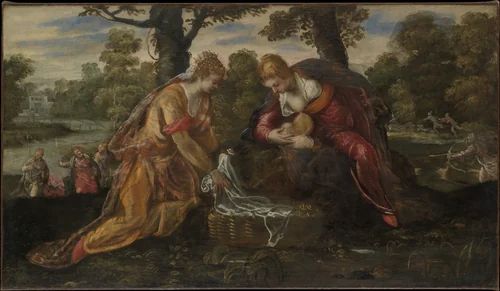
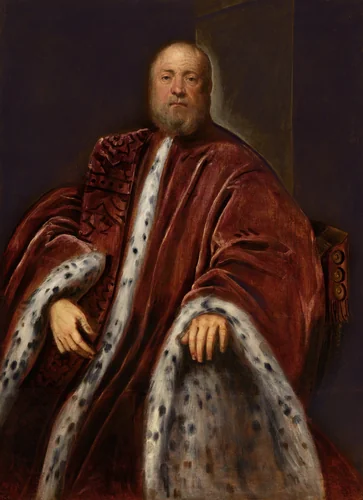
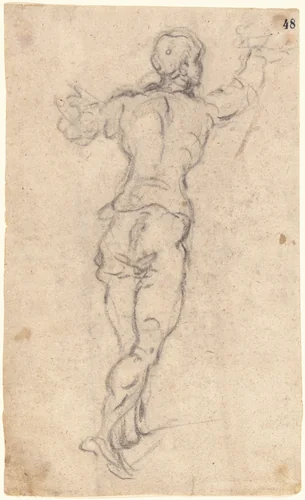
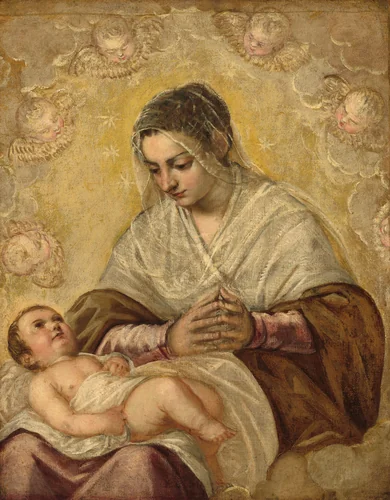
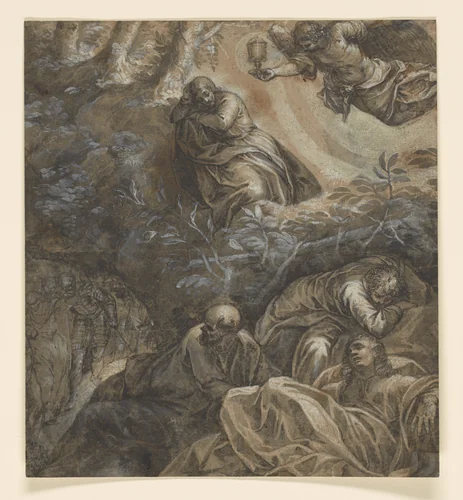
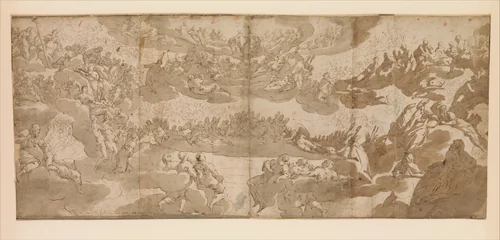
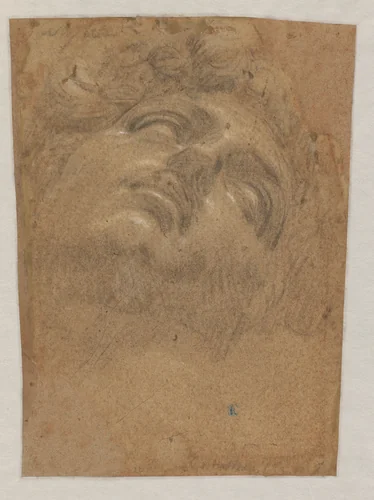
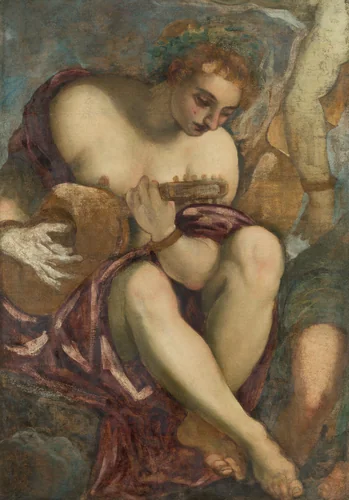
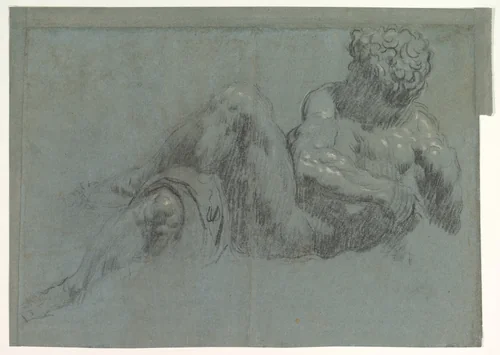
Tintoretto’s genius lay in his ability to mobilize these intense visual elements toward massive narrative goals. His masterpiece, Paradise, a work of staggering scale, demonstrates his capacity to orchestrate hundreds of figures into a cohesive theological structure. Even when focused on singular subjects, such as the intimate Muse with Lute or the portrait study Hoofd van Giuliano dei Medici, the underlying intensity of his approach is palpable. His drawings, including the detailed analysis found in the Study after Michelangelo's Giorno (recto and verso), reveal a relentless academic engagement with classical form, even as his final painted surfaces appear radically spontaneous.
The fact that his contemporaries debated whether his speed constituted genius or negligence provides a telling commentary on his disruptive power; he was less concerned with careful finish than with conveying immediate visual impact. Today, while his major works are housed in museum-quality collections globally, including the Metropolitan Museum of Art and the National Gallery of Art, his preliminary sketches and many Jacopo Tintoretto prints are increasingly available in the public domain, offering direct insight into the frenetic process of il Furioso.
Source: Wikipedia · CC BY-SA 4.0
![A Kneeling Man Holding a Staff [recto] by Jacopo Tintoretto, drawing, 1560-1635](https://img.artbee.org/001291fa-3f1f-4607-9371-4cab50d2059b/small.webp)