Jacopo Chimenti
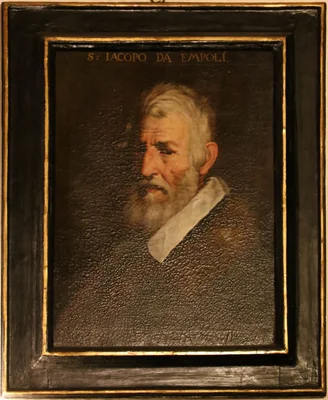
Jacopo Chimenti, known widely as Jacopo da Empoli (1551-1640), stands as a defining figure among the Florentine Reformist painters of the late sixteenth century. Active primarily between 1570 and 1600, Chimenti navigated the complex transition away from the high drama of Mannerism toward the more sober, classical clarity favored by the Counter-Reformation. His work, characterized by precise draftsmanship and an emphasis on narrative clarity, cemented his reputation among his contemporaries, influencing the next generation of Florentine masters.
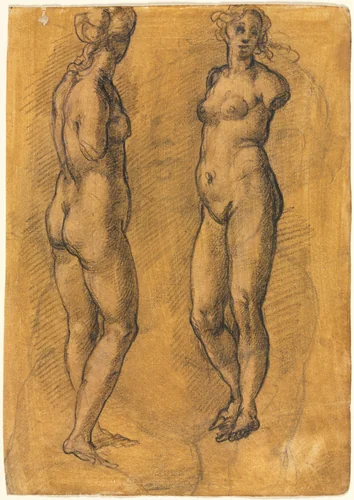
While recognized for his devotional paintings, Chimenti’s enduring legacy rests significantly on his prolific output of preparatory drawings. These works, often executed in red chalk or pen and ink, reveal an artist deeply committed to anatomical study and compositional rigor. The five known drawings currently in major institutional collections, such as the Art Institute of Chicago and the Cleveland Museum of Art, showcase this dedication. Pieces like Copy of an Antique Statue of a Standing Woman (two views), over a Sketch of a Putto demonstrate his academic methodology, where classical quotation is interwoven with immediate observation. The inclusion of a spontaneous sketch beneath the primary study offers a rare glimpse into the artist’s working mind, suggesting a simultaneous processing of formal ideals and casual invention.
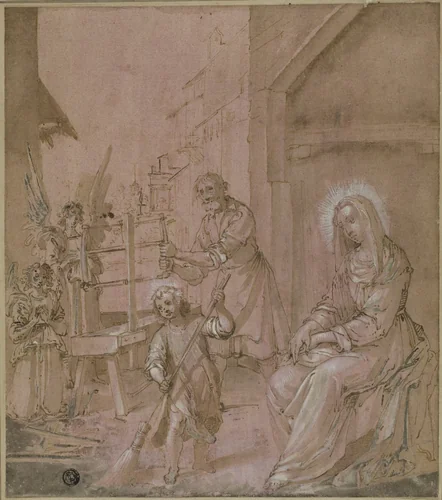
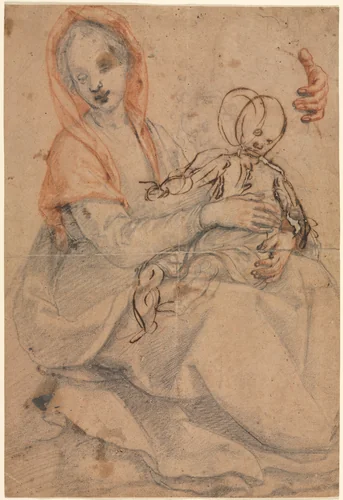
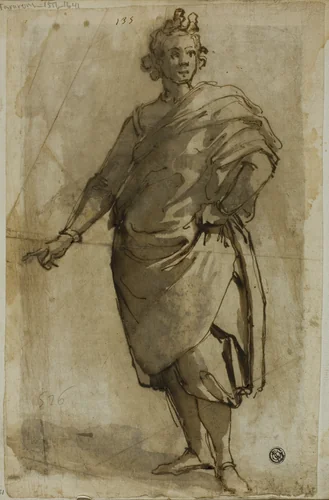
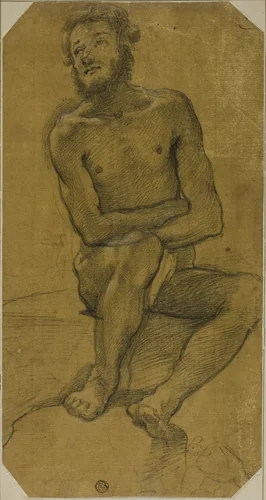
His religious subjects, notably Holy Family in Joseph's Carpentry Shop and Madonna and Child, reflect the period’s desire for relatable, humanized spiritual scenes. Chimenti excels in rendering subtle emotional interactions and domestic settings, making sacred history accessible to the viewer. This focus on intimate detail, combined with his technical mastery seen in studies like Standing Male Figure and Seated Male Nude, ensures his place in art historical curricula. For those studying the evolution of Renaissance and Baroque drawing, access to Chimenti’s meticulous studies is essential. Today, many fine examples of his draftsmanship are available to researchers and enthusiasts alike. These historical artifacts often circulate as downloadable artwork, contributing significantly to the canon of public domain imagery available globally.
The continued availability of high-quality prints derived from his originals allows for widespread appreciation of his technical skill. Chimenti’s output, while adhering closely to the stylistic requirements of the Reformist movement, maintains an undeniable sense of elegance and controlled vitality, proving that structural clarity and personality need not be mutually exclusive.
Source: Wikipedia · CC BY-SA 4.0