Jacopo Bassano
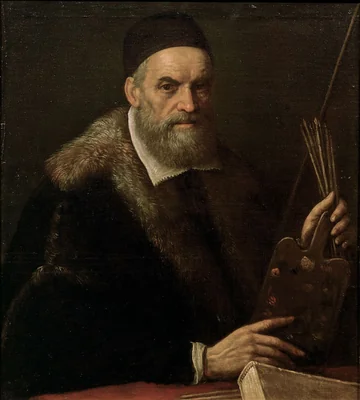
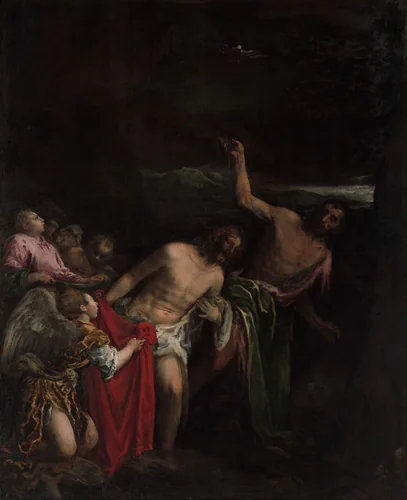
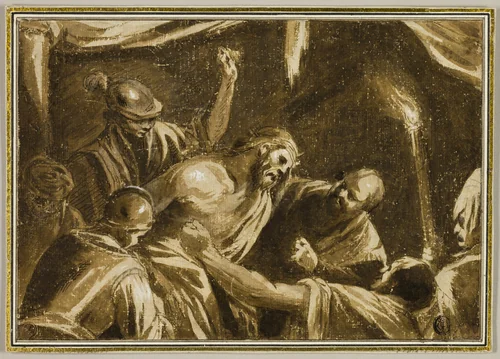
Jacopo Bassano (c. 1510-1585), also known as Jacopo dal Ponte, was one of the most innovative and commercially successful masters of the late Italian Renaissance. Based almost entirely in his hometown of Bassano del Grappa, away from the immediate stylistic pressures of Venice, he developed a highly distinctive visual language that fused dramatic religious narratives with an acute attention to contemporary rural life. This unique approach ensured the widespread popularity of Jacopo Bassano paintings throughout Northern Italy and, eventually, across Europe.
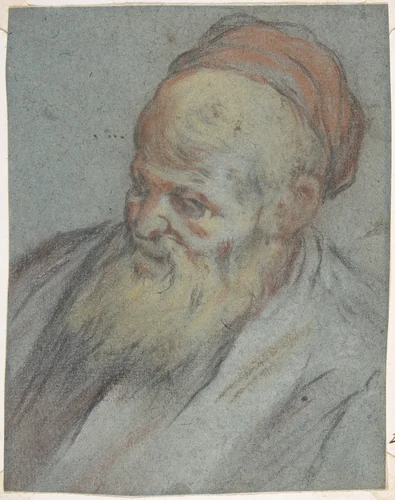
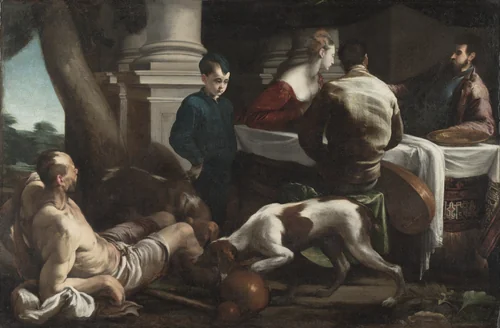
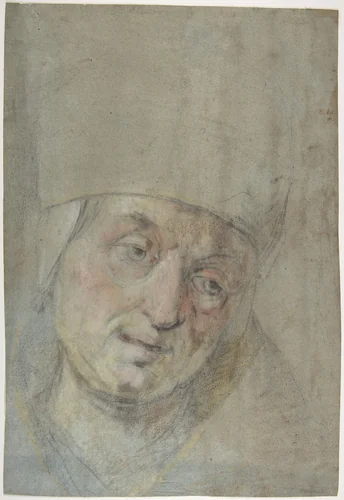
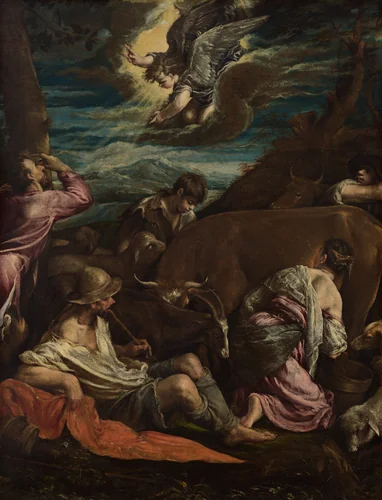
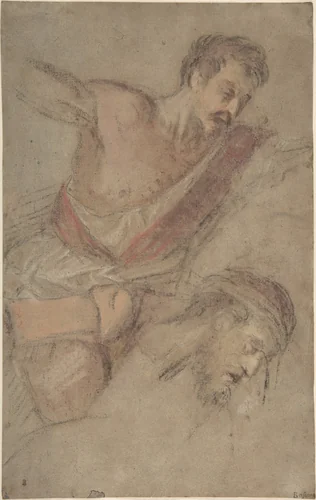
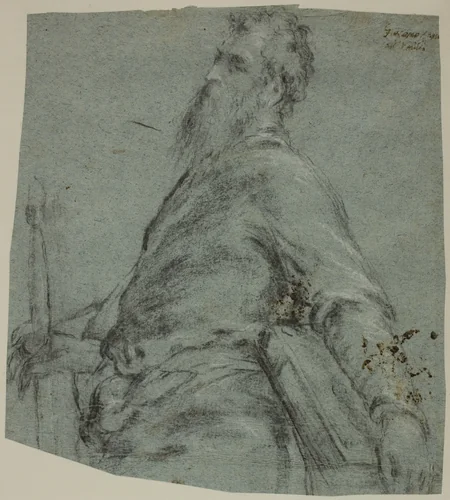
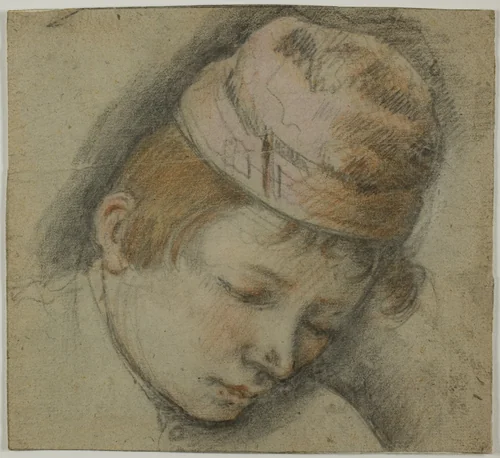
Having initially trained in the workshop of his father, Francesco the Elder, Bassano moved rapidly beyond traditional models. His primary innovation lay in elevating genre painting-like elements within his religious subjects. Works such as The Annunciation to the Shepherds and Lazarus and the Rich Man meticulously detail peasants, livestock, and the specific atmosphere of the agrarian landscape. Bassano approached these elements with remarkable precision, rendering textures and light effects that gave his scenes a powerful and immediate sense of reality. This focus on the commonplace and the domestic transformed scriptural themes, making them relatable to a broader audience while simultaneously providing a novel visual richness. Indeed, his drawing Bust-Length Study of a Bearded Man with Cap in Three-Quarter View showcases the meticulous observation he applied to individual figures, whether sacred or secular.
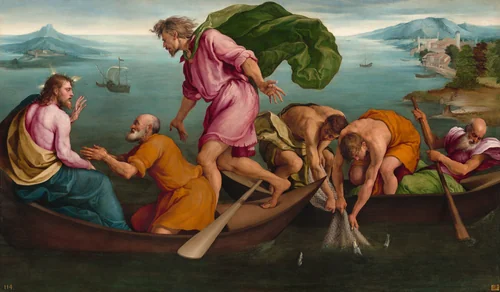
Bassano’s artistic output was substantial, spanning both drawings and large-scale paintings. While his formal style absorbed Mannerist tendencies, his dedication to the naturalistic depiction of the environment served as a powerful counterpoint, anticipating later developments in realism. His business acumen was matched only by his artistic productivity, founding a renowned family workshop that solidified his dynastic legacy. Four of his sons, including Francesco the Younger and Leandro Bassano, became accomplished artists in their own right, continuing and disseminating his influential style well into the seventeenth century. The vitality and detail present in his compositions, now considered museum-quality examples of Venetian naturalism, ensure that many of his compositions, including The Miraculous Draught of Fishes, are available today as high-quality prints for collectors and researchers.
Source: Wikipedia · CC BY-SA 4.0
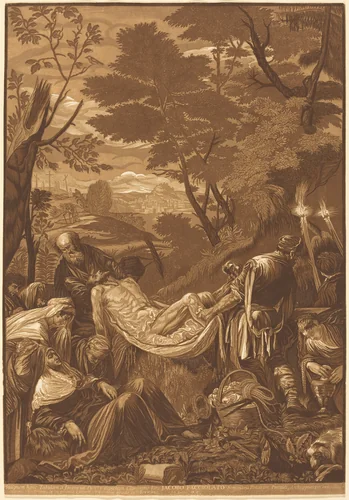
![The Entombment [recto] by Jacopo Bassano, print, 1739](https://img.artbee.org/a8ae9991-8285-4b65-ab7a-60df0d2139b2/small.webp)