Jacobus Houbraken
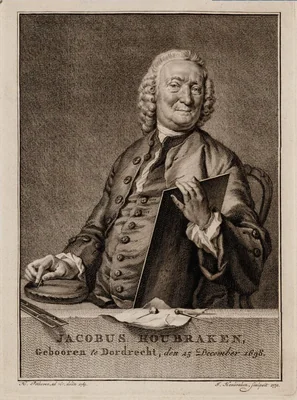
Jacobus Houbraken (active 1698-1752) occupies a crucial, yet often understated, space in the history of Dutch visual culture. Primarily an accomplished engraver, his greatest contribution was not just the production of exceptional museum-quality prints, but the visual codification of the preceding century’s artistic heritage.
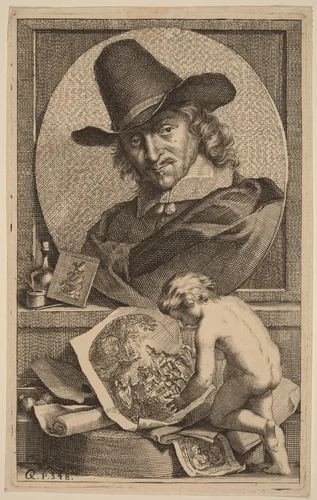
He was the son and essential collaborator of the renowned artist and biographer Arnold Houbraken (1660-1719). Jacobus assumed the meticulous, lengthy task of completing the seminal text, De groote schouburgh der Nederlantsche kunstschilders en schilderessen (The Great Theatre of Dutch Painters). This ambitious biographical record codified the lives and achievements of masters from the Dutch Golden Age, effectively shaping subsequent historical understanding of the era. Houbraken’s role was dual: providing the illustrative copperplate etchings for the volumes, ensuring that the documented figures, such as Adriaen van Ostade, were visually cataloged for posterity, while also continuing the literary compilation itself.
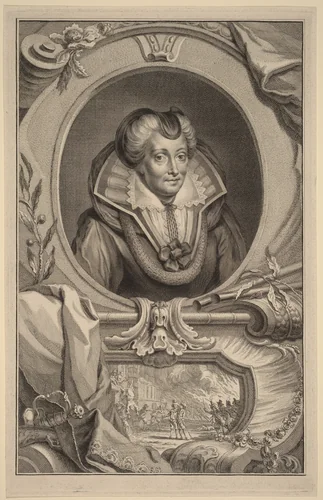
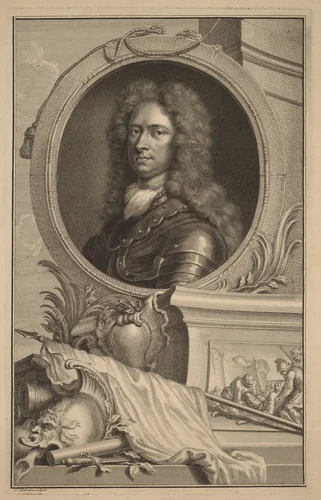
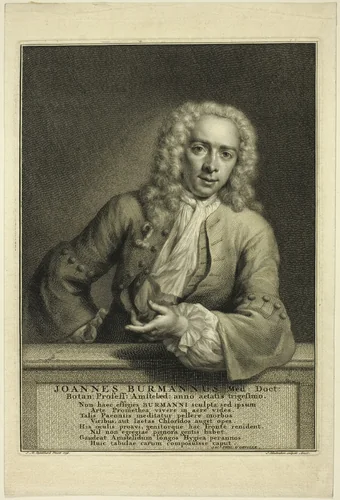
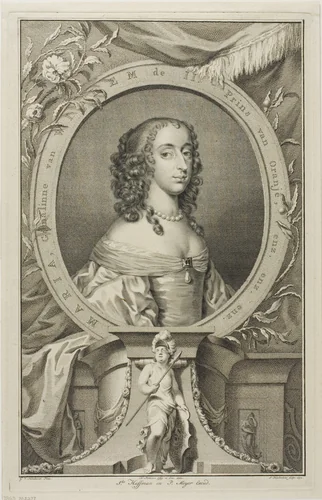
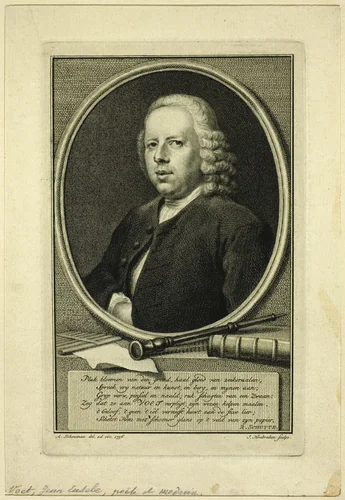
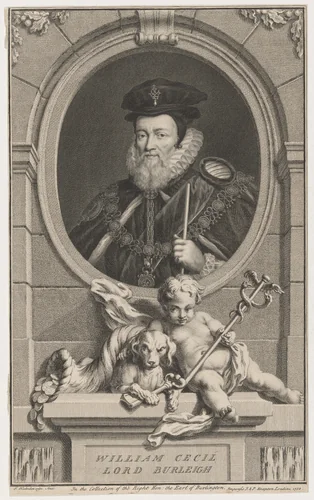
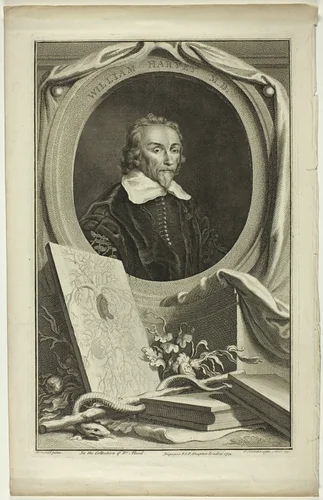
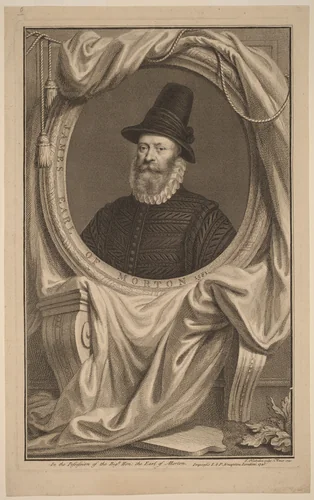
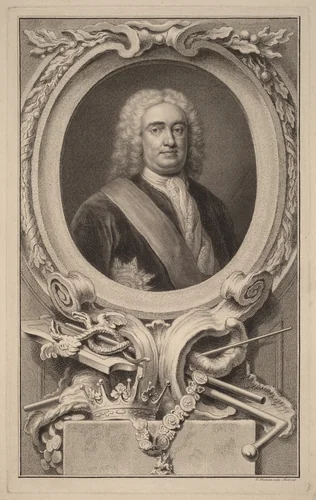
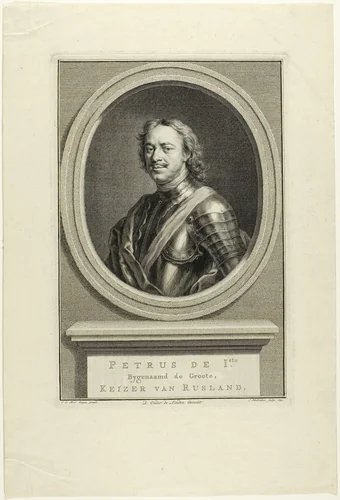
As an independent printmaker active for over five decades, Houbraken established a powerful reputation for finely detailed portraiture. His works, such as the compelling Portrait of a Gentleman and the regal rendering of Louise de Coligny, demonstrate a precision and psychological insight rarely matched by his contemporaries. One might speculate that the sheer volume of detailed documentation required for his father’s project instilled in him a permanent, unwavering dedication to minute accuracy, evident in every curl of a wig or fold of silk in his surviving prints.
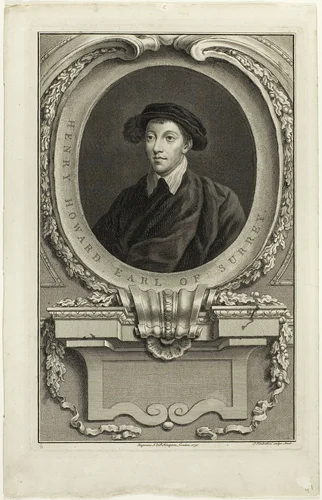
Houbraken’s extensive catalogue of subjects, including historical figures like Henry Howard, Earl of Surrey, and academic peers like J. Burmannus, confirms his status as a key chronicler of 18th-century intellectual and aristocratic life. The necessity of his highly detailed work was paramount; these engravings served as the primary means by which 17th-century paintings, often inaccessible or privately held, were disseminated to the wider European audience.
Today, his surviving oeuvre, comprising thirteen known series of copperplate engravings, is preserved in major institutional collections, including the Art Institute of Chicago and the National Gallery of Art. The lasting technical quality of his work means that many of these historically significant images have entered the public domain, ensuring that high-quality prints remain readily accessible to scholars and collectors alike.
Source: Wikipedia · CC BY-SA 4.0