Jacob Wilhelm Mechau
Jacob Wilhelm Mechau (1745-1808) holds a distinct place in the history of German landscape art, operating during the pivotal shift from strict Classicism toward nascent Romanticism. Primarily known as a skilled graphic artist and etcher, Mechau’s legacy is defined by his meticulous and atmospheric depictions of the Italian landscape, particularly the ruins and architecture around Rome. His active career, beginning around 1745, culminated in a significant body of work comprising at least fifteen major portfolios, establishing him as a crucial figure bridging the Enlightenment’s topographical precision with the emotive potential of the nineteenth century.
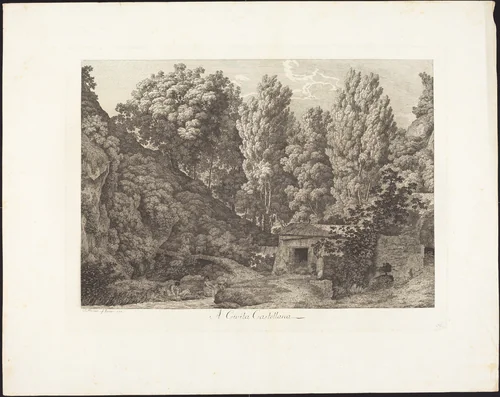
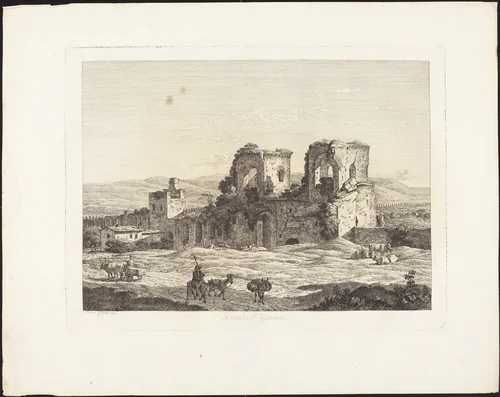
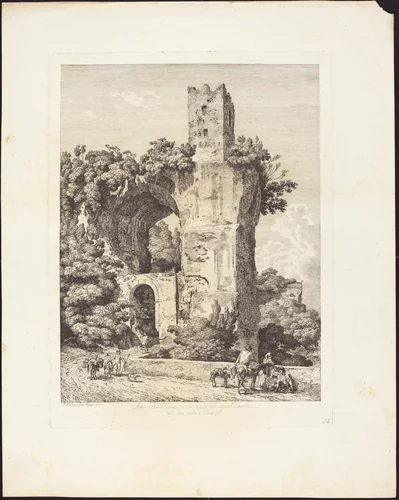
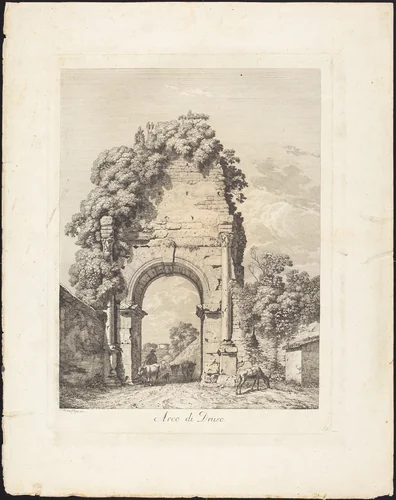
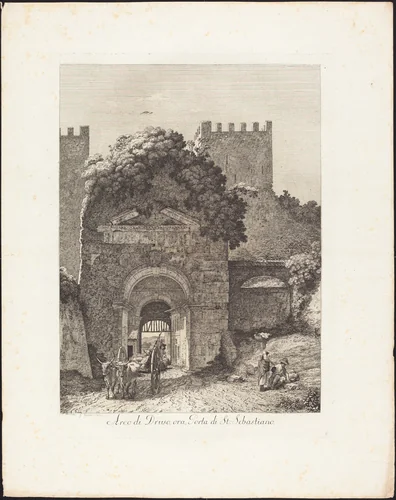
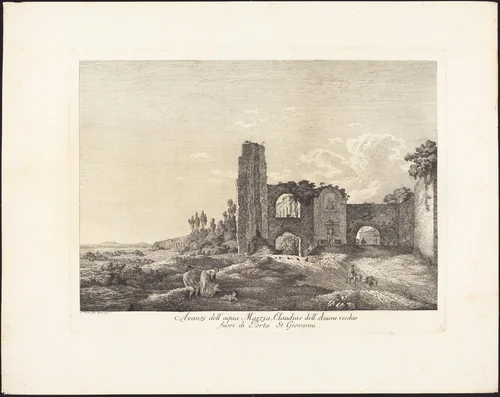
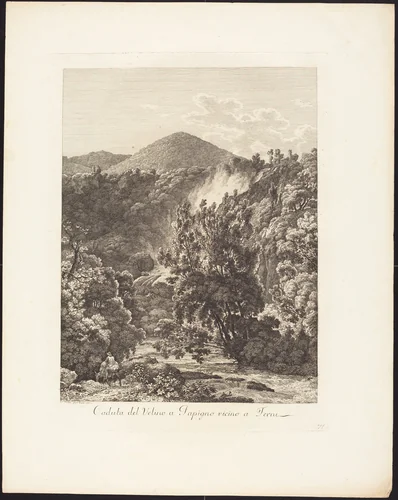
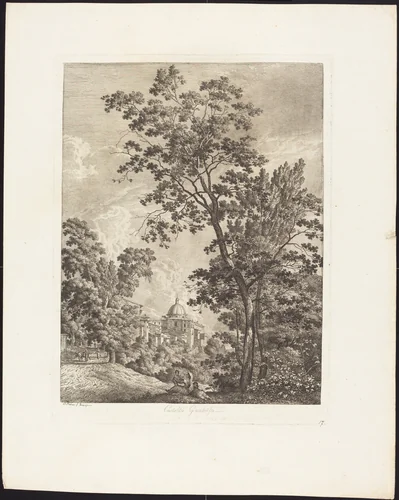
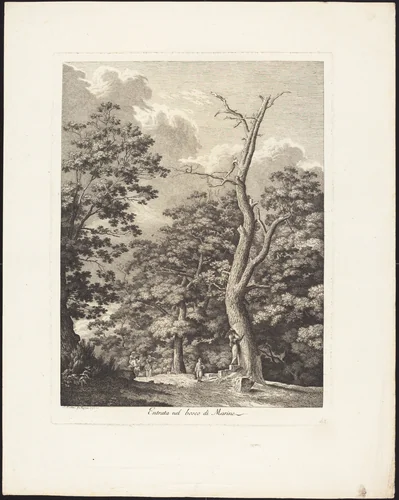
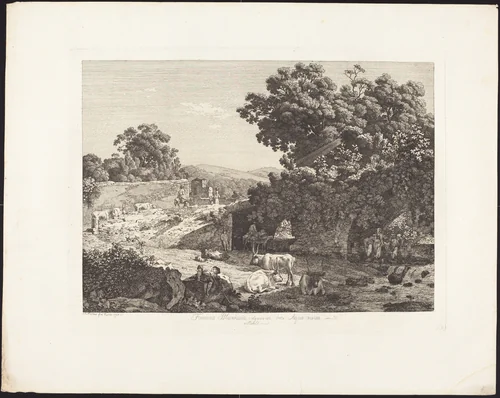
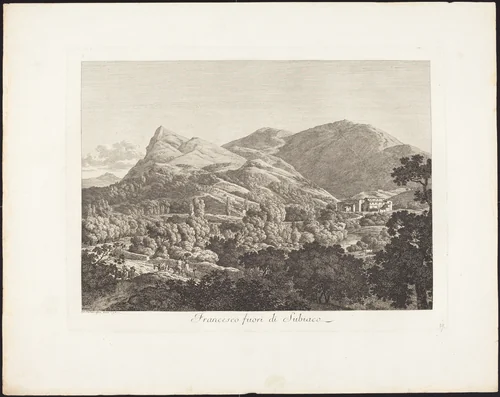
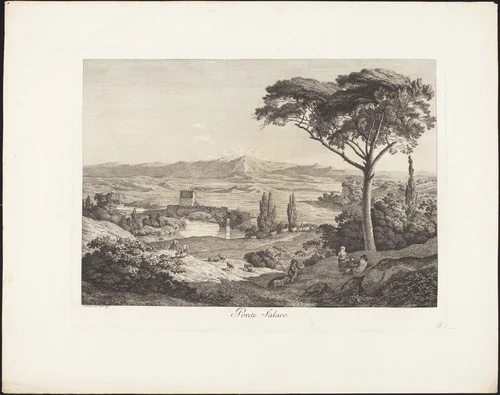
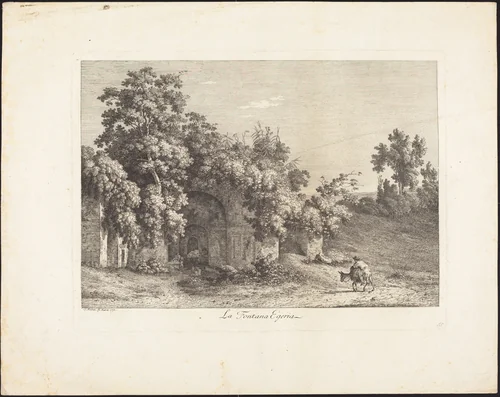
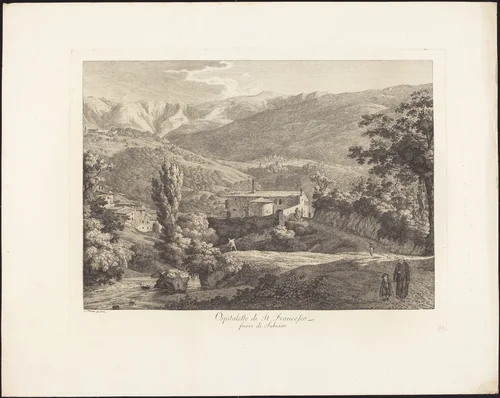
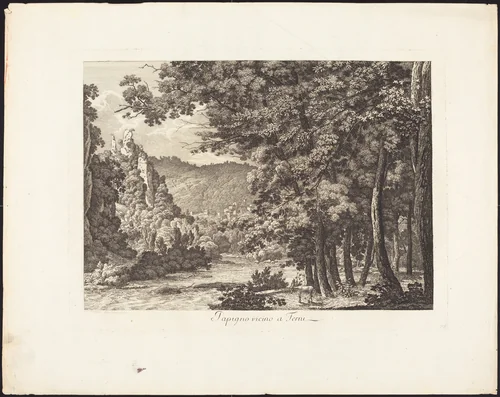
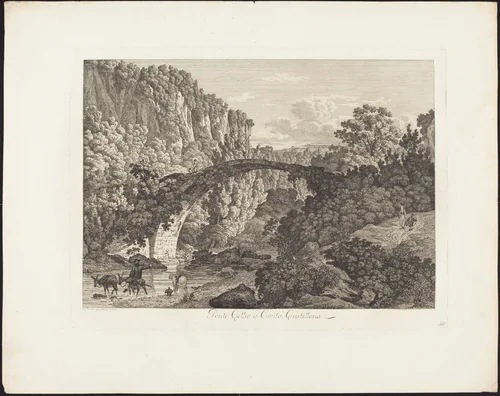
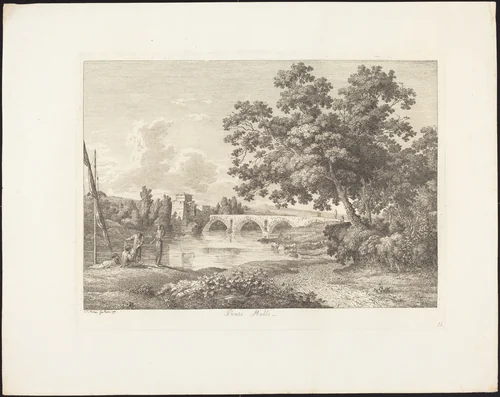
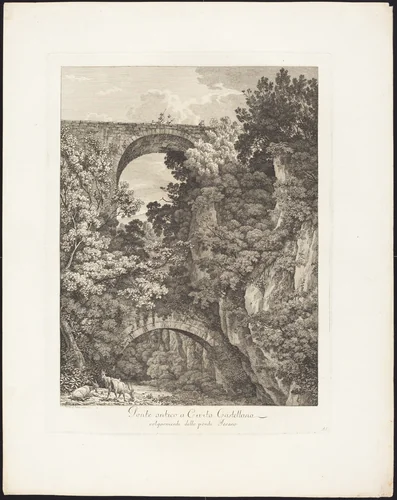
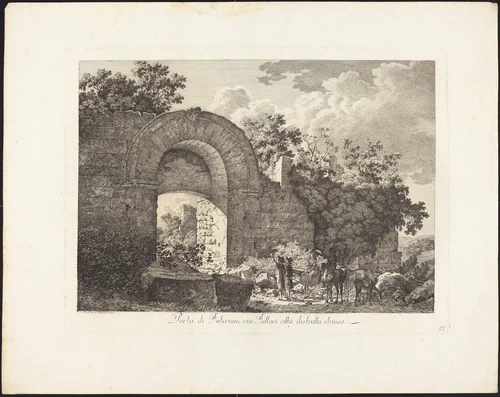
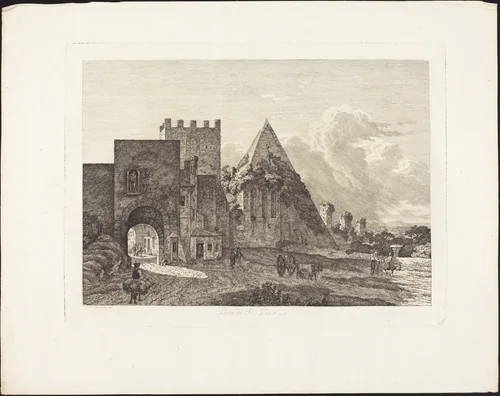
Mechau specialized in large-scale etching projects that documented iconic sites with remarkable clarity. His subjects often reveal the profound influence of ancient structures upon the surrounding environment, a pervasive theme among eighteenth-century European artists. Works such as Arco di Druso and Arco della Toretta o sia parte dell’acqua Claudia, agli Arci vicino a Tivoli demonstrate his capacity to fuse archaeological accuracy with evocative light and shadow. While firmly rooted in the classical tradition of drafting, the subtle atmospheric effects he employed hint strongly at the emerging Romantic preoccupation with nature’s untamed grandeur. It is worth noting that while Mechau documented these timeless ruins, the works also captured the vibrant, messy reality of daily life occurring immediately adjacent to monuments, an understated observation often overlooked by his more idealized contemporaries. These detailed scenes of rural and architectural life ensure the lasting scholarly appeal of Jacob Wilhelm Mechau prints.
Mechau’s prolific output ensured his representation in major international collections, including the National Gallery of Art, which holds examples of his graphic expertise. His historical importance lies not just in his technical skill as an etcher, but in documenting a landscape now subtly altered by time and development. For scholars and enthusiasts seeking access to these masterful studies of eighteenth-century Italy, many of his plates are now considered part of the public domain, offering museum-quality reproductions. The consistent demand for detailed, high-quality prints of his Roman views confirms his enduring relevance, allowing contemporary audiences to appreciate the nuanced transition he executed between two major artistic epochs.
Source: Wikipedia · CC BY-SA 4.0