Jacob van Strij
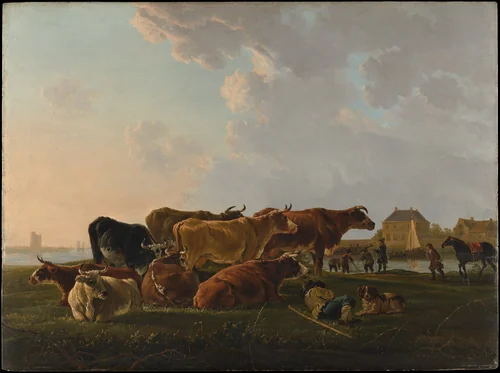
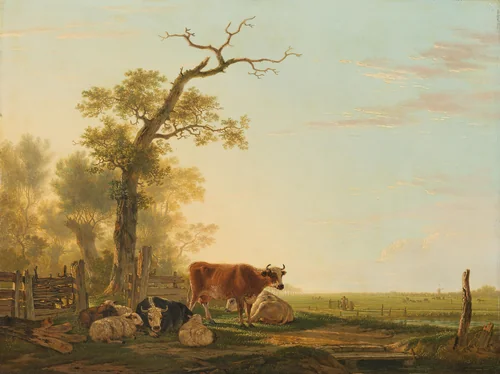
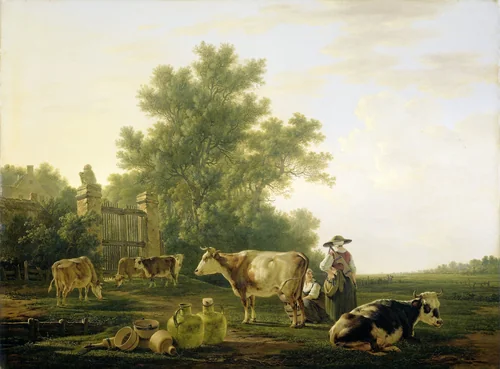
Jacob van Strij (1756-1800) stands as one of the most accomplished Dutch landscape artists working in the latter half of the eighteenth century. Operating primarily from his native Dordrecht, Van Strij maintained a rigorous practice across painting, printmaking, and highly skilled draftsmanship. While his professional output spanned diverse genres, his central artistic commitment was the natural environment, capturing the specific topography and atmospheric conditions of the Low Countries.
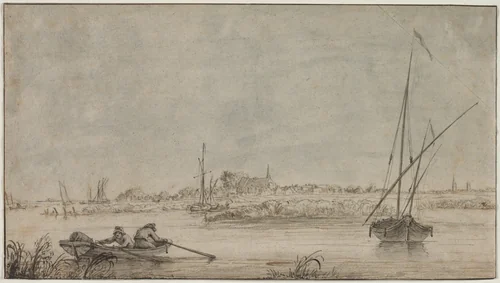
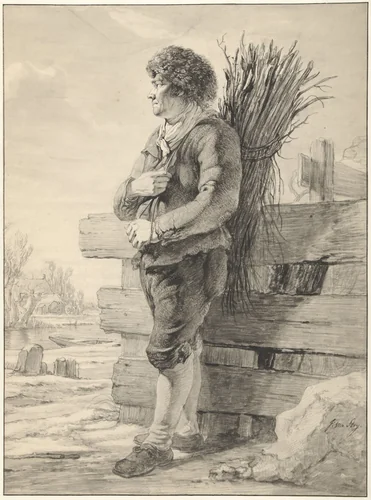
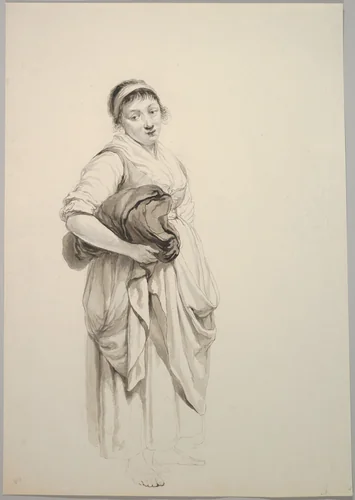
Van Strij distinguished himself through extraordinary technical versatility within the landscape genre. He moved seamlessly between rugged, imagined mountain scenes, detailed winter compositions, and tranquil marines. This breadth demonstrates a highly studied approach to both compositional structure and the transient effects of light, often referencing the detailed naturalism established during the Dutch Golden Age while subtly inflecting it with a burgeoning Romantic sensibility. His ability to render large scenes was matched by his eye for intimate figure studies, seen in works such as A Standing Young Washerwoman and Staande man met takkenbos op de rug.
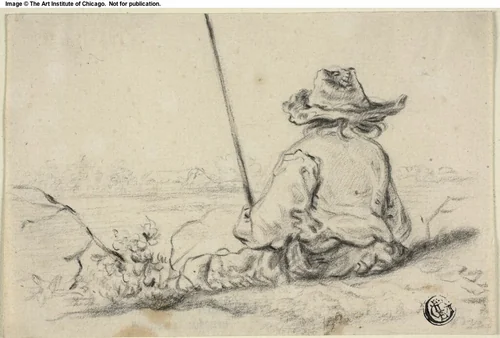
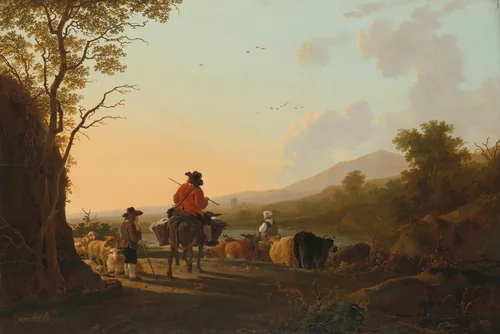
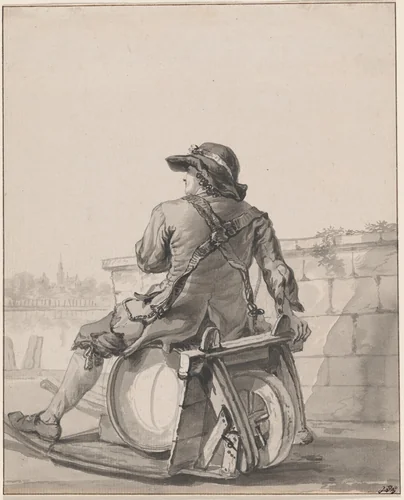
His most iconic works frequently revolve around his home region, exemplified by the evocative oil painting View of Dordrecht from the River. His dedication to detail was such that he produced numerous preparatory drawings, capturing seemingly mundane elements like the specific posture of a cattle driver or the texture of tree bark with an almost scientific fidelity. This commitment ensured his finished canvases, like Landscape with Cattle Driver and Shepherd, maintained an undeniable sense of lived, observed reality.
Today, the enduring legacy of Jacob van Strij paintings is secured through their presence in major international institutions, including the Art Institute of Chicago and the National Gallery of Art. Given the increasing accessibility of these art historical archives, numerous examples of Van Strij’s compositions are frequently made available as high-quality prints for scholarly study and public appreciation. These works, many now entering the public domain, confirm his crucial role in evolving the Dutch landscape tradition into the modern era.
Source: Wikipedia · CC BY-SA 4.0